How to Pair Vietnamese Wines with Fusion Cuisine
Vietnamese wine is becoming increasingly interesting to diners who want regional character alongside modern cooking. From cool-climate grape wines made around Da Lat to aromatic fruit wines and locally produced sparkling styles, the country offers bottles with fresh acidity, gentle sweetness, and approachable textures.
These qualities work especially well with Vietnamese-French fusion cuisine. Delicate herbs, seafood, rice noodles, mushrooms, and savory sauces can easily overwhelm a heavy red, while a bright white or lightly chilled rosé often brings balance to the plate.
At Duong Restaurant Saigon, the chef-led menu combines Vietnamese inspiration with refined French techniques. A thoughtful pairing can make each course feel more complete, whether you are enjoying a casual lunch, a special dinner, or a carefully planned tasting experience.
Understanding Vietnamese Wine Styles
Cooler growing conditions in the Central Highlands help produce wines with lively acidity and moderate alcohol. Many local whites show citrus, green apple, or floral notes, while lighter reds may offer cherry, plum, and soft spice. These characteristics make them flexible companions for food with herbs, fish sauce, and fresh vegetables.
Fruit-based wines are also part of Vietnam’s drinking culture. Plum, mulberry, passion fruit, and other fruit wines tend to be sweeter and more aromatic than table wines. They are best treated as pairing wines for dishes with sweet, spicy, or glazed elements rather than as substitutes for a dry wine in every course.
When selecting a bottle, focus on structure rather than prestige. Acidity refreshes the palate, sweetness softens chili and salty sauces, and moderate tannins prevent a red wine from fighting with delicate seafood or leafy herbs.
Match Freshness With Seafood
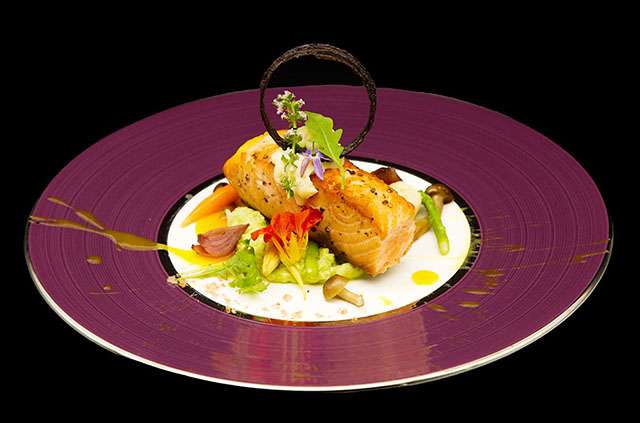
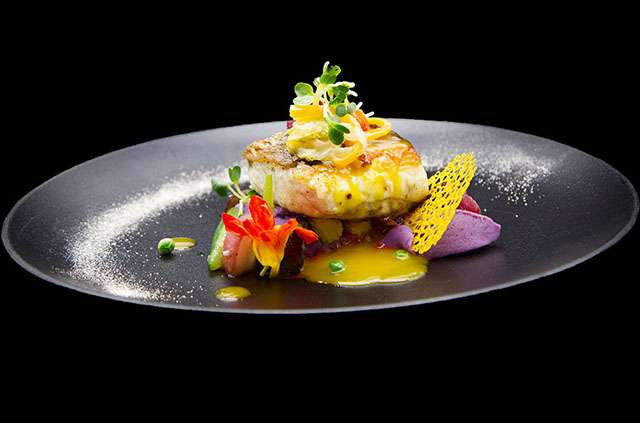
Seafood dishes usually benefit from a crisp white wine with clean acidity. A lightly chilled Vietnamese white can complement prawns, scallops, grilled fish, or seafood served with citrus, herbs, and a mild butter sauce. Its freshness lifts the natural sweetness of the seafood without masking it.
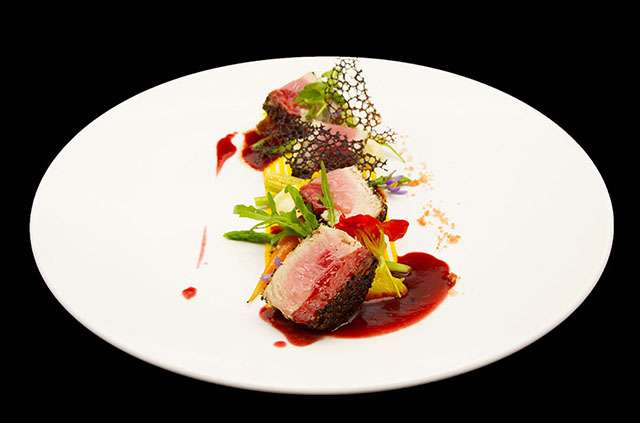
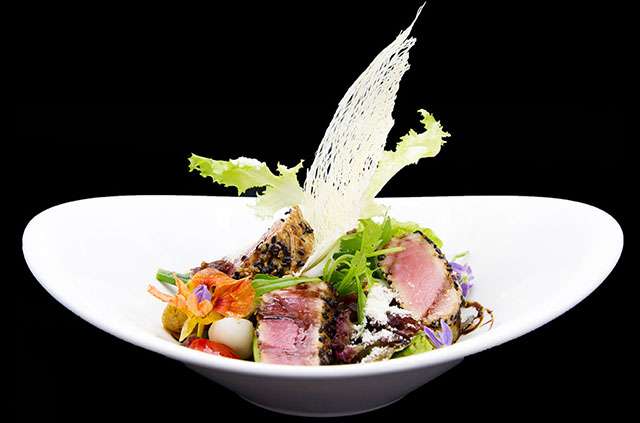
Tuna steak calls for a slightly fuller style. If the fish is seared and served rare, choose a medium-bodied white, dry rosé, or light red with restrained tannins. Wines with red berry or subtle spice notes can echo the seared crust while leaving the center of the fish tasting fresh.
Sauce is often more important than the main ingredient. A creamy French-inspired sauce may need a rounder white, while lime, lemongrass, or chili calls for sharper acidity. For salty or caramelized seafood reductions, a touch of fruit sweetness can create a more balanced finish.
Pair Noodles, Beef, And Herbs
Rice noodle beef rolls bring several textures to the table: tender beef, soft noodles, herbs, and dipping sauce. A light red served slightly cool can work beautifully, especially when the wine has bright fruit and low tannin. This style supports the beef without creating a dry, metallic sensation alongside herbs and savory seasoning.
A dry rosé is another reliable option. Its berry character gives the pairing energy, while its acidity cleanses the palate after each bite. Rosé is particularly effective when the rolls include fresh lettuce, mint, coriander, or a tangy dipping sauce.
For richer beef preparations, move toward a medium-bodied red with gentle oak or earthy notes. Avoid highly tannic wines unless the dish has a substantial grilled crust or a rich reduction. Vietnamese-inspired cuisine often depends on freshness, and an overly powerful red can flatten those subtle contrasts.
Balance Mushroom Soup And Vegetable Dishes
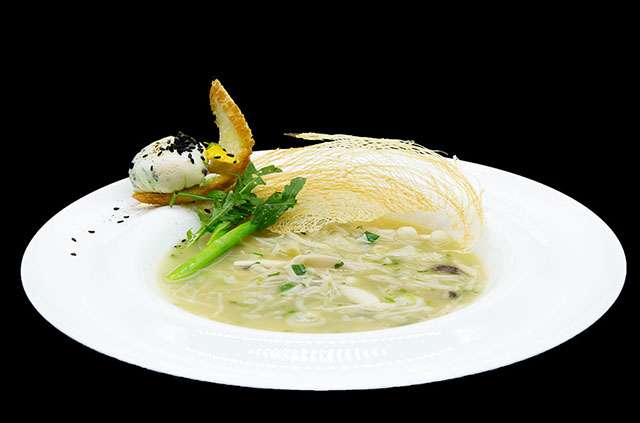
Mushroom soup has an earthy, savory profile that pairs well with a textured white wine. Look for a bottle with moderate acidity and soft fruit rather than sharp citrus alone. The wine should have enough body to stand beside the soup while still refreshing the palate.
If the soup includes cream, a fuller white with restrained oak can mirror its richness. If it is broth-based and fragrant with herbs, a lighter, more aromatic wine will preserve the dish’s delicate character. Sparkling wine can also be effective because its bubbles cut through creamy textures.
Salads require attention to dressing. Green mango, citrus, vinegar, and herbs favor wines with lively acidity. A slightly aromatic white can match tropical fruit and fresh vegetables, while a fruit wine may suit a salad with grilled components or a sweet-and-sour glaze.
| Fusion Dish |
Recommended Vietnamese Wine Style |
Why It Works |
| Rice noodle beef rolls |
Light red or dry rosé |
Supports beef while respecting herbs and noodles |
| Tuna steak |
Medium-bodied white or light red |
Matches the seared exterior and delicate center |
| Seafood with citrus or herbs |
Crisp dry white |
Mirrors freshness and refreshes the palate |
| Creamy mushroom soup |
Rounded white or sparkling wine |
Balances richness and highlights earthy flavors |
| Herb-forward salad |
Aromatic white |
Complements freshness without overpowering it |
| Sweet-spicy glazed dish |
Off-dry white or fruit wine |
Softens chili and echoes the glaze |
Consider The French-Vietnamese Connection
French culinary influence appears naturally in techniques such as pan-searing, butter sauces, reductions, pâté, and cream-based preparations. Vietnamese ingredients add a different layer through lemongrass, fish sauce, rice vinegar, fresh herbs, and chili. Wine pairing should respond to both traditions at once.
A white wine with acidity and a smooth finish can bridge the two cuisines particularly well. It has the freshness needed for Vietnamese aromatics and enough texture for French-style sauces. For grilled or roasted dishes, a soft red may provide depth without overwhelming the seasoning.
The atmosphere also shapes the experience. A cozy dining room encourages slower pacing, allowing wine to open between courses. Before booking a special meal, explore the restaurant’s chef-led approach to understand how its menu brings local ingredients and polished presentation together.
Serve Wine With The Right Timing
Temperature can change the pairing significantly. Crisp whites and sparkling wines are usually best well chilled, while fuller whites benefit from a slightly warmer serving temperature. Light reds can be cooled briefly before service, helping preserve their fruit and making them more suitable for herbs and seafood.
Pour modest amounts when several courses are planned. This lets each wine remain fresh and gives diners room to compare how acidity, sweetness, and tannin interact with different dishes. Opening a bottle shortly before serving is often enough for lighter wines; decanting is rarely necessary for delicate local styles.
Wine should also follow the progression of the meal. Begin with sparkling or crisp white wine, move to a more textured white or rosé, and finish with light red or fruit wine when the dishes become richer. This sequence keeps the palate alert and prevents an early heavy pour from dominating the evening.
Practical Pairing Choices
A successful match does not require a complicated tasting vocabulary. Consider the dish’s dominant impression, then choose a wine that either mirrors it or provides contrast. Fresh dishes need freshness, rich dishes need structure, and spicy or sweet dishes benefit from softness.
Use the restaurant’s dining gallery to preview the presentation and mood of the menu. Visual details can offer clues about whether a dish is likely to be light and herbaceous, richly sauced, or built around grilled ingredients.
- Choose crisp white wine for seafood, citrus, herbs, and light broths.
- Serve dry rosé with noodle rolls, salads, and mildly spiced dishes.
- Select a soft light red for beef, grilled ingredients, and savory reductions.
- Use off-dry or fruit wine with chili, caramelized sauces, and sweet glazes.
- Ask the service team to adjust the pairing when a dish includes an unusually strong sauce.
For reservations, menu details, and the latest dining information, visit the Duong Restaurant Saigon website. Plan a multi-course meal, select wines according to the strongest flavors on the plate, and let each pairing reveal a different side of Vietnamese-French cuisine.