How to Spot Fresh Seafood at Duong Restaurant Saigon
Fresh seafood should look, smell and feel vibrant rather than wet, dull or poorly handled. At Duong Restaurant Saigon, paying attention to these details can help you assess a tuna steak or other seafood dish while respecting the chef-led menu and carefully presented style of the kitchen.
The restaurant on Dong Du Street blends Vietnamese flavours with French dining techniques, so freshness may appear differently across the menu. A little knowledge of seafood handling gives Australian diners a useful standard without turning dinner into an inspection exercise.
Look before you choose
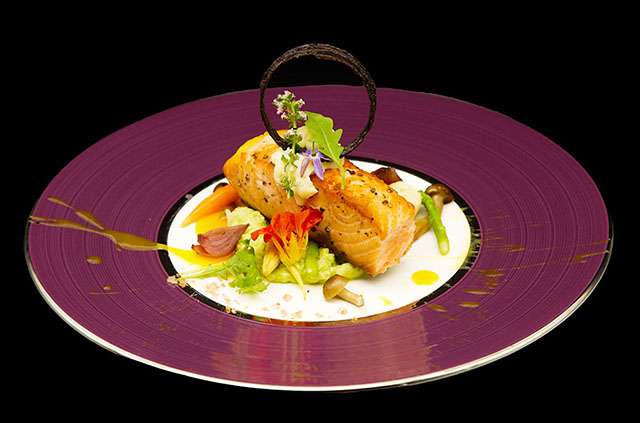
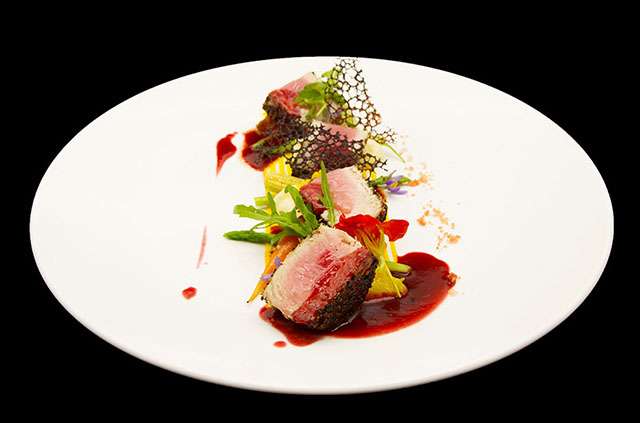
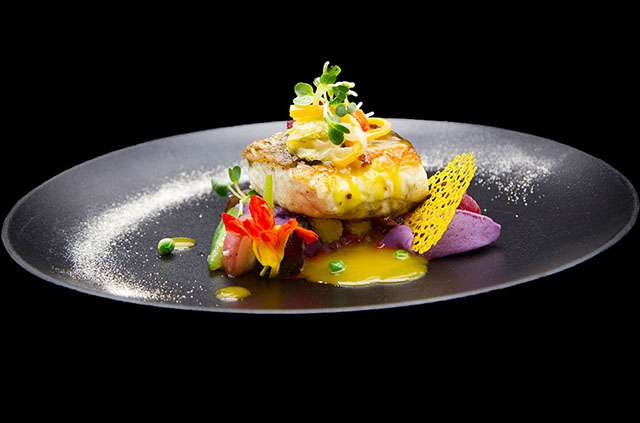
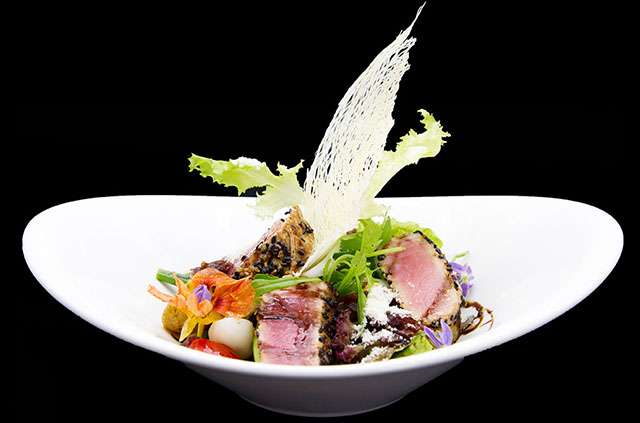
Begin with the seafood itself. Fish flesh should have a clear, translucent appearance when raw, while cooked tuna should retain a rich colour suited to its species and doneness. Avoid pieces with dry edges, a mushy texture or excessive liquid pooling on the plate.
Shellfish also provide visible clues. Mussels and clams should normally be closed before cooking and open after heating, while intact shells, clean flesh and fresh-looking garnish suggest careful plating. Colour alone is not decisive, especially for tuna, because different species and preparations naturally vary.
Use smell, temperature and texture
Good seafood should smell clean and faintly briny, not sour, heavily fishy or ammoniated. Warm weather makes prompt chilling especially important, so food served sitting in a warm dish for a long period deserves caution. A cold plate or fresh garnish can support proper temperature control, although it cannot prove quality by itself.
Texture is another useful check. Raw fish should spring back gently when pressed, and cooked fish should separate into moist flakes rather than crumble. If you are unsure about tuna steak doneness, leave it intact until the server has served it; rare centres can be intentional, while excessively pale, watery or dry flesh usually indicates overhandling or poor storage.
Read the menu like a seafood regular
Before visiting, browse the à la carte menu to become familiar with the chef’s seafood selections. Availability may change, but the listed dishes can help you decide which questions to ask and avoid choosing solely because a photograph looks impressive.
Australian diners are accustomed to “catch of the day” language, yet freshness cannot be confirmed through that phrase alone. At a Ho Chi Minh City restaurant, ask which species are available, when they arrived and whether they were chilled or frozen. Many Australians say “prawn” where some menus use “shrimp”, so recognising both terms makes communication easier.
Ask the team useful questions
A clear question about origin, storage or cooking can be more useful than trying to identify everything yourself. Ask whether the seafood came from Vietnam or another country, whether it is served raw or cooked to order, and which garnish or sauce is paired with it. Staff at a chef-led restaurant should be comfortable explaining the dish.
A frank conversation is especially valuable for guests with allergies or medical dietary requirements. Describe the ingredient and reaction precisely rather than assuming a small amount is safe. If the answer is uncertain, request a suitable alternative or choose another dish instead of relying on visual cues alone.
Separate freshness from preparation
Some seafood dishes are intentionally browned, grilled or covered in a dark sauce. A charred exterior does not automatically make the fish stale, but heavy seasoning can conceal its condition and aroma. Request a lightly cooked portion if needed so that the texture and flavour remain easy to judge.
Fresh and frozen are not opposites in terms of safety or quality. Properly frozen seafood can retain flavour and texture well, particularly when thawed correctly. The stronger concerns are broken cold-chain handling, thawing and refreezing, excessive time at room temperature and poor storage, none of which should be treated as normal characteristics of Vietnamese cuisine.
Build a balanced Saigon dining order
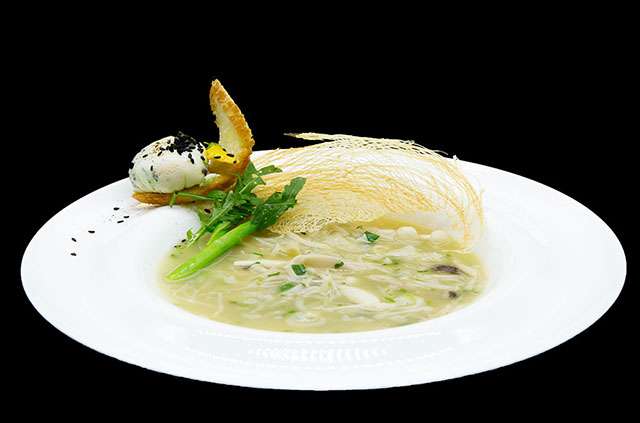
If seafood is the focus of your meal, choose one substantial fish or shellfish dish and allow room for contrasting plates. Vietnamese-inspired vegetables, salads, soups or rice noodle rolls can balance richer seafood without overwhelming the chef’s presentation. Share several small dishes when the menu offers selections suited to group dining.
Beverages can complement delicate fish, citrus, herbs and spicy flavours. The restaurant’s drink list makes it possible to consider pairing choices before arrival, avoiding an improvised order after dinner has begun. Remember that Australian tipping is optional; if a card terminal presents a gratuity prompt, choose an amount that reflects the service.
Match the restaurant to the occasion
Duong Restaurant Saigon’s District 1 location, cosy atmosphere and French-Vietnamese menu make it suitable for a considered dinner rather than a quick meal. Booking helps the team manage seating, timing and any seafood requests. Guests planning a special meal can mention allergies or an important anniversary when reserving.
Restaurant photographs and social posts are useful for understanding presentation, but not freshness. The same distinction applies when online content moves from indulgent dishes in a guide to loaded fries to finely plated seafood. Dramatic styling may enhance appetite; it cannot replace clean aromas, firm texture, proper chilling and knowledgeable sourcing.
Review the current menu, reserve your table and ask the team about the catch before ordering. With those simple checks, you can enjoy the seafood at Duong Restaurant Saigon while staying alert to the quality behind every plate.