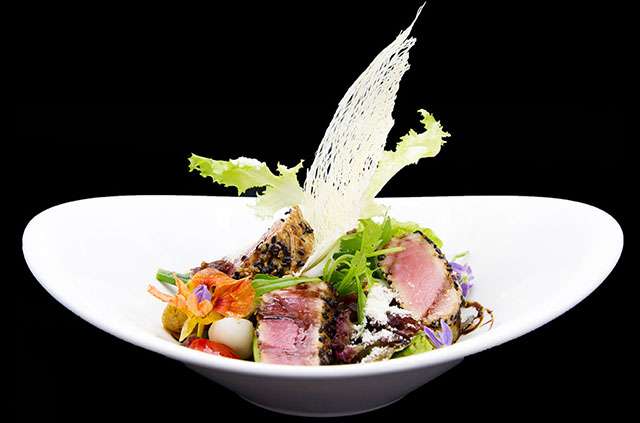
Mushroom soup with a French twist at Duong Restaurant Saigon
Mushroom soup is often associated with rustic French cooking: butter-softened onions, earthy mushrooms, cream, and fresh herbs blended into a smooth, comforting bowl. At Duong Restaurant Saigon, that familiar style can be reimagined with Vietnamese balance, using aromatic herbs, delicate seasoning, and a clean finish that suits the city’s warm, lively character.
This recipe takes inspiration from the restaurant’s chef-led approach to Vietnamese and French fusion cuisine. It combines the depth of sautéed mushrooms with shallots, thyme, and a small amount of white wine, then adds umami from fish sauce or light soy sauce. The result is refined enough for a fine-dining menu but practical for a home kitchen.
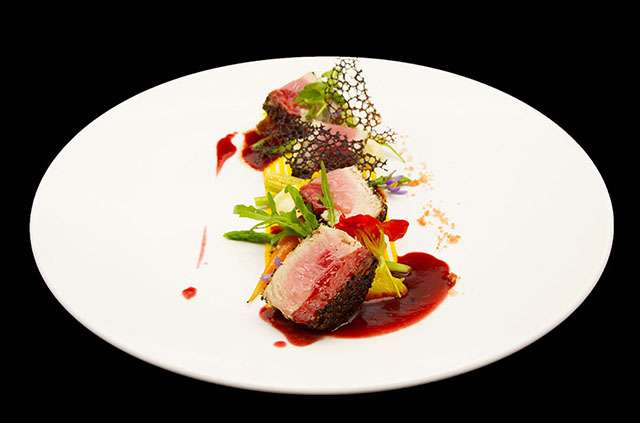
Served as a starter before seafood, tuna steak, or rice noodle beef rolls, the soup creates a gentle opening to a meal. Its silky texture and layered fragrance also make it a lovely dish after exploring District 1, whether visiting historic landmarks or settling into a cozy dinner on Dong Du Street.
Why mushrooms work so well with Vietnamese flavors
Mushrooms have a naturally savory character that makes them an excellent bridge between French and Vietnamese cooking. Cremini, button, shiitake, and oyster mushrooms can each contribute a different texture and aroma. A combination is especially appealing: cremini mushrooms provide body, shiitake adds intensity, and oyster mushrooms bring a soft, delicate bite.
French technique begins with slow cooking. Butter and olive oil help the mushrooms caramelize without becoming greasy, while shallots and garlic create a sweet, aromatic base. Vietnamese seasoning should remain restrained, allowing the mushrooms to stay at the center rather than turning the soup into a heavily spiced broth.
A little lemongrass, coriander, or white pepper can add local character. These ingredients should be used carefully, because the goal is harmony between a creamy French mushroom velouté and the brighter, more fragrant notes associated with Vietnamese cuisine.
Ingredients for a silky fusion soup
The recipe makes four starter portions. Use vegetable stock for a vegetarian version, or a light chicken stock for a rounder flavor. If using fish sauce, check the stock’s salt level first and add seasoning gradually.
| Ingredient |
Amount |
Purpose |
| Mixed fresh mushrooms |
500 g |
Earthy flavor and texture |
| Unsalted butter |
30 g |
French-style richness |
| Olive oil |
1 tbsp |
Helps prevent butter from burning |
| Shallots, finely chopped |
2 |
Sweet aromatic foundation |
| Garlic, minced |
2 cloves |
Savory depth |
| Fresh thyme |
2 sprigs |
Herbal fragrance |
| Dry white wine |
60 ml |
Brightness and balance |
| Vegetable or chicken stock |
750 ml |
Soup base |
| Heavy cream |
100 ml |
Smooth, rounded finish |
| Light soy sauce or fish sauce |
1 tsp |
Vietnamese-inspired umami |
| Lemongrass, bruised |
1 small stalk |
Subtle citrus aroma |
| White pepper and salt |
To taste |
Final seasoning |
For garnish, prepare a few thinly sliced mushrooms, chopped coriander, toasted baguette crumbs, or a small drizzle of chili oil. A few drops of lime juice can also sharpen the finished soup, although they should be added sparingly.
A chef-inspired cooking method
Begin by cleaning the mushrooms with a soft brush or damp cloth. Avoid soaking them, since excess water can prevent browning. Slice the larger mushrooms and leave a few smaller ones whole for garnish. Warm the butter and olive oil in a heavy saucepan, then cook the shallots over medium-low heat until translucent.
Add the garlic and mushrooms, along with the thyme. Cook for eight to ten minutes, stirring occasionally, until the mushrooms release their moisture and begin to take on golden edges. This step builds the soup’s principal flavor, so avoid rushing it. Add the bruised lemongrass during the final few minutes of sautéing.
Pour in the white wine and scrape the base of the pan to loosen the caramelized pieces. Let the wine reduce by about half. Add the stock and bring the mixture to a gentle simmer. Cook for 15 minutes, then remove the lemongrass and thyme stems.
Blend the soup until smooth with an immersion blender, or process it in batches in a countertop blender. Return it to the pan, stir in the cream, and warm it gently without allowing it to boil. Finish with light soy sauce or fish sauce, white pepper, and salt. For a restaurant-style texture, pass the soup through a fine sieve before serving.
Balancing richness, fragrance, and texture
The French element should come through in the soup’s velvety body rather than overwhelming richness. Heavy cream gives a polished finish, but it can be reduced or replaced with unsweetened coconut milk for a lighter, more distinctly Southeast Asian profile. Coconut milk changes the flavor, so use it when you want the lemongrass and coriander to be more prominent.
Acidity is equally important. Wine provides gentle brightness during cooking, while a few drops of lime juice at the end keep the soup from tasting heavy. The correct balance is savory and creamy first, followed by a clean herbal or citrus note.
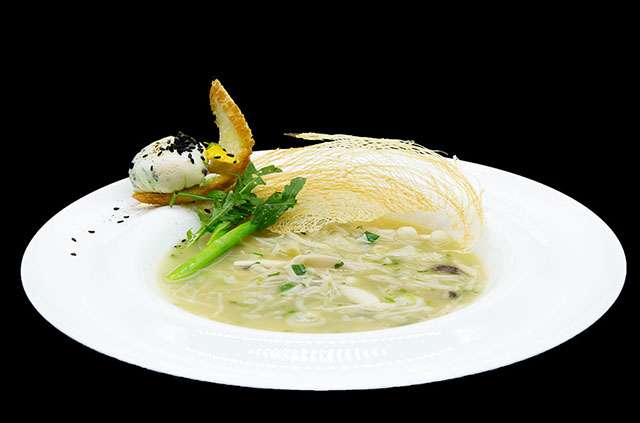
Texture also gives the dish character. A completely smooth purée feels formal and elegant, while a spoonful of finely diced sautéed mushrooms adds contrast. For an elevated presentation, place the diced mushrooms in the center of each bowl, pour the hot soup around them, and finish with herbs and a few drops of chili oil.
Serving the soup in a Saigon-style meal
Serve the soup in warm, shallow bowls as a first course. A small garnish of coriander leaves, chives, or Thai basil adds color and fragrance. Toasted baguette slices acknowledge the French influence, while crisp rice crackers or sesame tuile introduce a texture that feels more at home in Vietnam.
The dish pairs well with bright salads, lightly grilled seafood, or a delicate tuna steak. Keep the accompanying flavors fresh and moderately seasoned so the mushrooms remain the focus. Sparkling water, a dry white wine, or unsweetened jasmine tea can refresh the palate between courses.
For diners discovering the city, a meal at Duong Restaurant Saigon fits naturally into an evening of District 1 sightseeing. The Jade Emperor Pagoda guide offers cultural context for planning a broader Ho Chi Minh City itinerary, while the soup provides a calm and elegant pause after a busy day.
Small details that elevate the final bowl
- Brown a handful of sliced mushrooms separately and use them as a garnish for deeper flavor.
- Warm the serving bowls so the soup stays silky from the first spoonful to the last.
- Add fish sauce one drop at a time; too much can hide the delicate mushroom aroma.
- Finish with herb oil, chili oil, or coriander instead of a heavy garnish.
- Serve immediately after blending for the smoothest texture and freshest fragrance.
The same attention to detail applies when presenting the soup at home. Wipe the rim of each bowl, keep the garnish restrained, and pour the soup carefully. Fine dining is often defined by balance and timing as much as by expensive ingredients.
Plan a refined Saigon evening
This mushroom soup is a useful example of how Vietnamese-inspired cooking can meet French culinary technique without losing its own identity. Butter, wine, and cream create a familiar velouté, while lemongrass, herbs, and umami seasoning give it a sense of place. The finished dish is warm, polished, and distinctly suited to a restaurant that values both tradition and creative interpretation.
Pair it with a visit to the Reunification Palace, then continue toward Dong Du Street for an unhurried dinner. To experience Duong Restaurant Saigon’s chef-led menu and cozy dining atmosphere, make an event reservation before your evening in Ho Chi Minh City.