Pairing French Wines With Vietnamese Flavors at Duong Restaurant
Vietnamese cuisine is defined by balance: bright herbs, gentle sweetness, savory depth, fresh seafood, and the lively heat of chili. French wine can complement those layers beautifully when the pairing respects the dish rather than overpowering it. At Duong Restaurant Saigon, this approach brings together classic European wine culture and the distinctive ingredients of Vietnam.
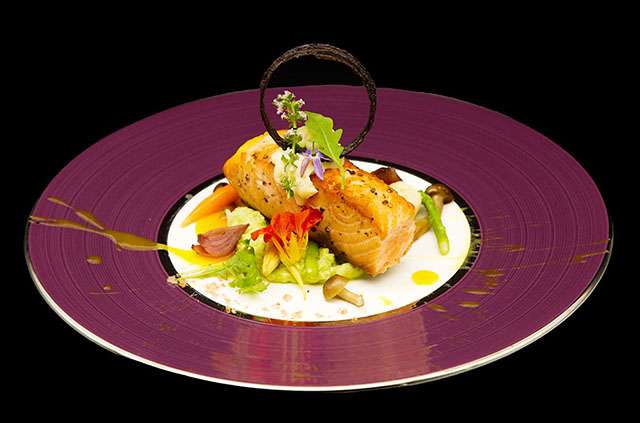
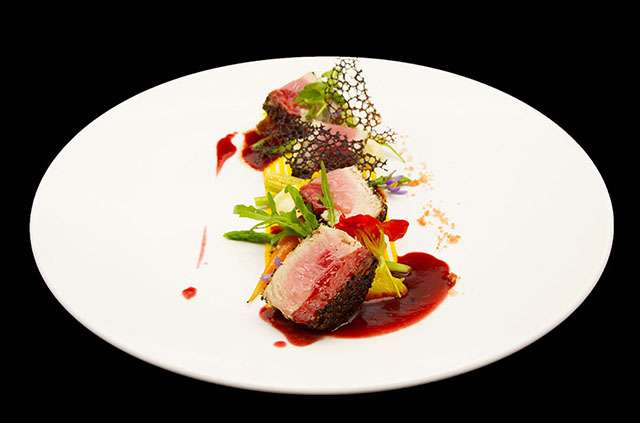
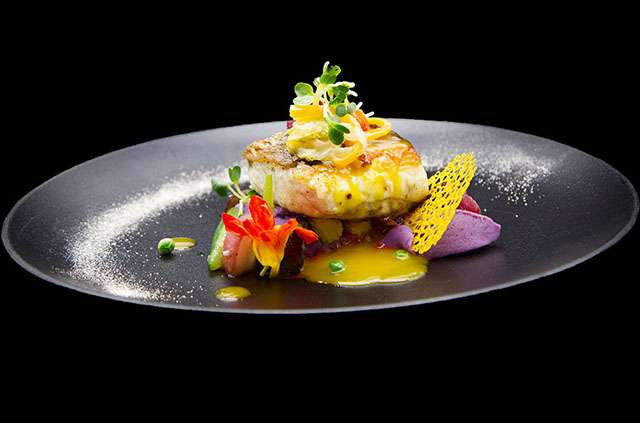
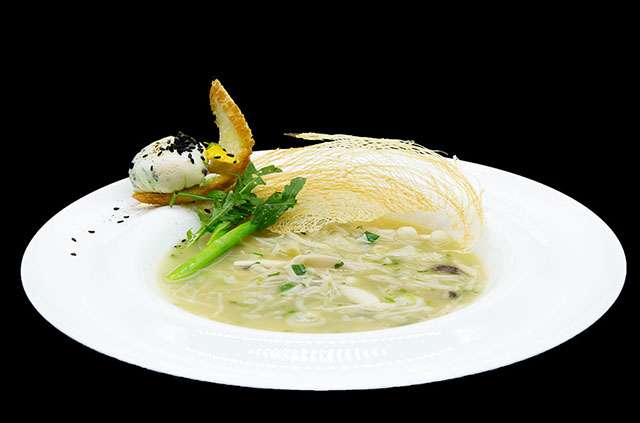
Located on Dong Du Street in District 1, Duong offers a chef-led dining experience in a cozy setting. The menu includes Vietnamese-inspired dishes such as rice noodle beef rolls, seafood, tuna steak, mushroom soup, and fresh salads, creating plenty of opportunities to explore white, red, and sparkling French wines.
Why French Wine Suits Vietnamese Cuisine
French wines often have the acidity, freshness, and restrained structure that Vietnamese dishes require. A crisp Sauvignon Blanc can lift herbs and seafood, while a lightly textured Chardonnay can soften the richness of a creamy soup or a delicately cooked fish dish. These wines add definition without masking the natural character of the ingredients.
The best pairing is rarely based on matching a country to a country. Instead, it comes from comparing flavor, texture, and intensity. A dish with lime, herbs, or pickled notes usually benefits from lively acidity. A savory beef preparation may need a red wine with moderate tannins, while a sweet or spicy sauce can be balanced by a wine with fruit-forward aromas.
Matching Wine to Vietnamese Flavor Profiles
Rice noodle beef rolls combine tender beef with noodles, herbs, and dipping sauce. Their flavor is layered but not heavy, so a supple red from Beaujolais can be an excellent choice. Gamay offers red-fruit character and gentle tannins, allowing the beef to remain central while refreshing the palate between bites.
For seafood, a dry Muscadet or a mineral-driven Chablis brings energy and precision. These wines work especially well when the dish includes citrus, herbs, or a clean seafood broth. Their acidity echoes lime and balances natural salinity, making each bite feel lighter and more focused.
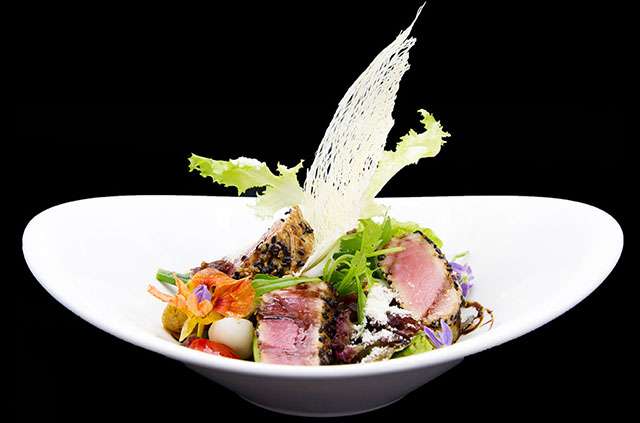
Tuna steak occupies a versatile space between delicate fish and meaty texture. A lightly chilled Pinot Noir from Burgundy can complement its richness without creating a harsh contrast. If the preparation includes a bright sauce or fresh salad, a dry rosé from Provence can provide both fruit and freshness.
Pairing Ideas for the Duong Menu
The following combinations offer a practical starting point for a French-Vietnamese dining experience. The final choice can depend on the sauce, garnish, cooking method, and the particular bottle available on the day.
| Duong dish or style |
Main flavor impression |
French wine direction |
Pairing benefit |
| Rice noodle beef rolls |
Savory beef, herbs, dipping sauce |
Beaujolais or light Pinot Noir |
Gentle tannins support the beef without overwhelming herbs |
| Fresh seafood |
Salinity, citrus, delicate texture |
Muscadet, Chablis, or Picpoul-style white |
High acidity keeps the finish clean and refreshing |
| Tuna steak |
Rich, meaty fish with a tender center |
Burgundy Pinot Noir or Provence rosé |
Adds structure while preserving the tuna’s subtle flavor |
| Mushroom soup |
Earthy, creamy, umami-rich |
Chardonnay from Burgundy |
Round texture mirrors the soup and bright acidity prevents heaviness |
| Vietnamese-inspired salad |
Herbs, vegetables, tangy dressing |
Sancerre or dry rosé |
Freshness and minerality complement crisp ingredients |
| Lightly spiced seafood |
Aromatic heat and savory sauce |
Off-dry Chenin Blanc |
A touch of sweetness softens chili and amplifies fragrance |
Balancing Spice, Sweetness, and Acidity
Chili is one of the most important considerations in Vietnamese wine pairing. High alcohol and aggressive tannins can make spicy food feel hotter, so a fresh, moderate-bodied wine is often more comfortable. An off-dry Loire Valley Chenin Blanc can be particularly useful because its acidity keeps the wine lively while a hint of residual sweetness calms chili heat.
Sweet-and-sour sauces require similar care. A very dry wine may taste sharp beside caramelized or sweet ingredients, while a heavily oaked wine can seem clumsy. Choose a wine with ripe fruit, clean acidity, and a relatively light finish. This lets the sauce remain expressive without making the pairing feel sugary.
Texture also matters. Creamy mushroom soup calls for a wine with some body, such as a restrained Chardonnay, while a crisp herb salad needs a more energetic white. Matching weight creates harmony even when the flavors themselves are very different.
Building an Evening Around the Restaurant
A thoughtful wine pairing can shape the rhythm of an entire meal. Begin with sparkling wine or a mineral white alongside seafood or salads, move toward a fuller white or soft red for the main course, and finish with a lighter style if dessert or fruit follows. This progression keeps the palate engaged rather than filling it with one dominant flavor.
The restaurant’s location makes it easy to combine dinner with an evening walk through central Ho Chi Minh City. Guests can use this guide to District 1 landmarks when planning a route that connects the meal with nearby architecture, shopping streets, and local attractions.
Ordering Wine With Confidence
Guests do not need extensive wine knowledge to make a good selection. Describing the dish and preferred style is usually enough: fresh and mineral, soft and fruity, aromatic, dry, or slightly sweet. The restaurant team can then help identify a bottle or glass that suits the food and the occasion.
Serving temperature makes a noticeable difference. Sparkling wines and crisp whites should be properly chilled, while fuller whites and light reds benefit from being cool rather than ice-cold. Pinot Noir, for example, can show more fragrance when served slightly below typical room temperature.
For a clearer sense of the setting, service, and flow of a meal, read this first visit guide before arriving. Knowing what to expect allows more attention to go toward the menu, the wine, and the relaxed pace of fine dining.
Practical Pairing Notes
A successful pairing should make both the dish and the wine seem more expressive. When a sauce changes the character of a plate, adjust the wine accordingly rather than relying only on the main ingredient. The same seafood may call for different wines depending on whether it is served with citrus, herbs, cream, or chili.
Keep these principles in mind when choosing a bottle or asking for a recommendation:
- Choose acidity for lime, herbs, pickles, and fresh seafood.
- Select soft tannins for beef dishes with delicate noodles or greens.
- Use a slightly sweet white wine to moderate chili and sweet-spicy sauces.
- Match fuller-bodied wines with creamy soups and earthy mushrooms.
- Serve lighter reds gently chilled for tuna and other rich fish preparations.
Reserve a table at Duong Restaurant Saigon on Dong Du Street and make the wine part of the dining experience. With chef-led Vietnamese flavors, French wine pairings, and attentive service, an evening here can become a memorable way to experience the character of District 1.