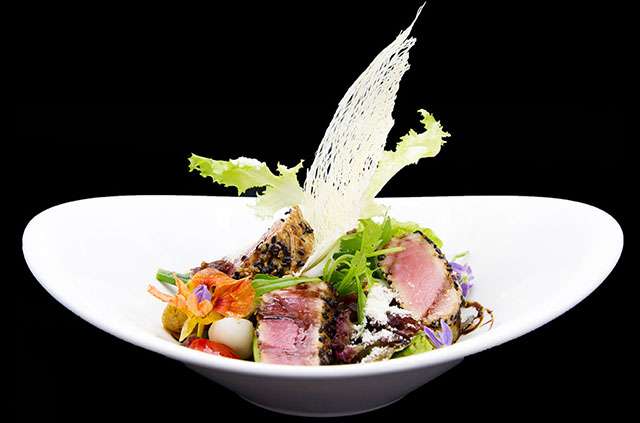
The art of arranging a charcuterie board at Duong Restaurant Saigon
A well-arranged charcuterie board is a small display of balance: savoury and sweet, crisp and creamy, familiar and surprising. At Duong Restaurant Saigon, that idea can take on a distinctly Vietnamese and French character, shaped by the restaurant’s chef-led cooking and the flavours of Ho Chi Minh City.
The setting matters as much as the ingredients. Located on Dong Du Street in District 1, the restaurant offers a cosy fine-dining environment where a shared platter can become part of a longer meal rather than a rushed appetiser. The restaurant’s dining room provides an elegant backdrop for taking time over texture, aroma and conversation.
For Australian diners, the format will feel familiar from wine bars, weekend entertaining and produce-focused restaurants in Melbourne, Sydney or Brisbane. Yet a Vietnamese-inspired board can move beyond standard cured meats and crackers, bringing in fresh herbs, pickles, seafood elements and sauces with bright acidity.
The result should look generous without becoming crowded. Every item needs a purpose, whether it adds colour, contrast, fragrance or a useful bridge between courses. The best arrangement encourages guests to explore while keeping the overall plate easy to share.
Choosing the right balance
Begin with three broad categories: a savoury centre, fresh accents and contrasting accompaniments. A traditional French influence might suggest cured meats, pâté, cheese and bread, while Vietnamese flavours can introduce rice paper, herbs, pickled vegetables, toasted nuts or a lively dipping sauce.
The board should offer different intensities. Rich ingredients need sharp or fresh companions, and salty foods benefit from sweetness or crunch. A small portion of fruit, a spoonful of chutney or a scattering of roasted seeds can change the character of each bite without overwhelming the main ingredients.
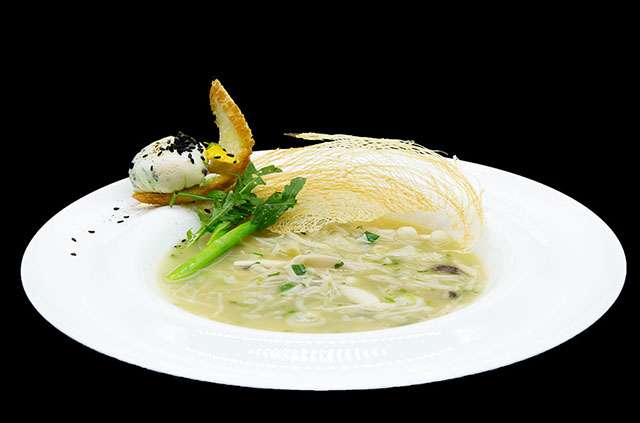
Portion control is important in a fine-dining setting. A board designed for sharing should leave space for other dishes, such as seafood, salads, mushroom soup or rice noodle beef rolls. Think of it as a carefully paced opening course rather than a meal that fills the table before the kitchen’s signature dishes arrive.
Building visual rhythm
Arrange the largest elements first. Place sliced meat, cheese or a substantial seafood component in a few deliberate clusters, then build smaller details around them. Avoid lining everything in straight rows; gentle curves and varied heights make the presentation feel more natural and inviting.
Colour should be distributed across the platter. Green herbs, ruby pickles, golden crackers and pale cheeses create visual movement, while dark sauces or roasted ingredients provide depth. Small bowls are useful for wet accompaniments, helping the board remain tidy and allowing guests to serve themselves comfortably.
Texture also creates rhythm. Pair something soft with something crisp, such as pâté with toasted bread, creamy cheese with pickled vegetables, or tender seafood with a brittle rice cracker. These differences make the arrangement more engaging than a board made entirely from sliced, similar ingredients.
Matching Vietnamese and French flavours
The French side of the composition can come through in technique and restraint: thinly sliced cured meat, a carefully chosen cheese, a smooth terrine-style element or a crisp baguette. Vietnamese influence is best expressed through freshness and balance rather than simply adding heat to every component.
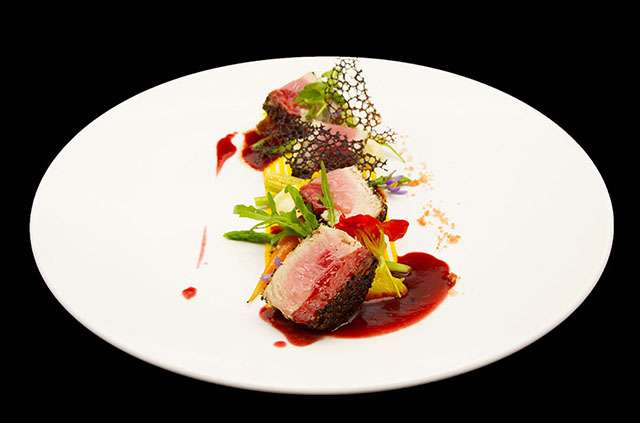
Fresh herbs can lift rich food, while pickled carrot, cucumber or daikon can cut through salt and fat. Nuoc cham-style acidity, chilli, lime and fish sauce should be used with a light hand, especially when the board is being served alongside delicately seasoned seafood or tuna steak.
A chef-led menu makes these relationships easier to manage. Rather than treating every item as an isolated snack, the arrangement can echo the broader meal, using shared aromas and complementary textures to lead diners from one course to the next.
Serving Australian diners thoughtfully
Australian guests are generally comfortable with shared dining, grazing plates and produce-led menus, but dietary expectations still need attention. Many diners may be avoiding gluten, pork, dairy or particular seafood, while Australia’s food-allergen labelling rules make clear communication especially important in hospitality.
Ask the restaurant team about ingredients, cross-contact and suitable substitutions before ordering. Duong’s safe dining guide is a useful reference for guests who want to understand practical food-safety considerations in Ho Chi Minh City.
Local Australian habits can also influence timing. Diners used to an early dinner in Adelaide or a long Sunday lunch in Melbourne may prefer a board that arrives promptly but is enjoyed slowly. In Ho Chi Minh City’s warm climate, fresh components should be served in sensible quantities and replenished rather than left sitting for too long.
Pairing, pacing and hospitality
A charcuterie-style platter pairs well with drinks that refresh the palate. Sparkling wine, a dry white, light beer or a citrus-forward non-alcoholic drink can balance salty and rich ingredients. Vietnamese coffee is better reserved for later, when its roasted bitterness can finish the meal rather than compete with delicate flavours.
The board should also fit the booking. For two guests, a compact arrangement with a few carefully selected components may feel more polished than an oversized spread. For a group, several smaller plates can improve access and make it easier to keep chilled foods separate from bread and warm accompaniments.
Duong’s set menu options can help diners understand how a shared opening plate might sit within a broader sequence. A thoughtful board should create anticipation, leave room for the main dishes and support the relaxed service style associated with an evening in District 1.
A considered board for your group
Use the following guide as a starting point when discussing the arrangement with the restaurant team. The exact ingredients should reflect the available menu, seasonal produce and any dietary requirements.
| Dining occasion |
Board style |
Useful balance |
| Two-person dinner |
Compact and refined |
One rich element, one fresh accent, one crisp accompaniment |
| Small group |
Varied and shareable |
Cured or savoury foods, seafood, pickles, herbs and bread |
| Pre-dinner tasting |
Light and bright |
Fresh vegetables, fruit, mild cheese and sparkling drinks |
| Full Vietnamese-French meal |
Restrained opening course |
Small portions that leave room for soup, salads and mains |
Keep the presentation generous but uncluttered, and place serving utensils where guests can reach them without disturbing the arrangement. These practical details matter in a warm, busy city where diners may be moving between conversation, sightseeing and a longer evening meal.
- Select a mix of rich, fresh, crisp and pickled elements.
- Use herbs and acidic accompaniments to refresh the palate.
- Confirm allergens, dietary needs and food-handling details in advance.
- Match the board’s size to the rest of the meal.
- Choose drinks that cleanse the palate rather than compete with it.
For a memorable evening on Dong Du Street, reserve a table at Duong Restaurant Saigon and discuss how a Vietnamese-French sharing platter could complement your meal. Thoughtful arrangement, careful pacing and attentive service turn a simple board into a polished part of the dining experience.