The art of balanced salads: lessons from Duong Saigon’s kitchen
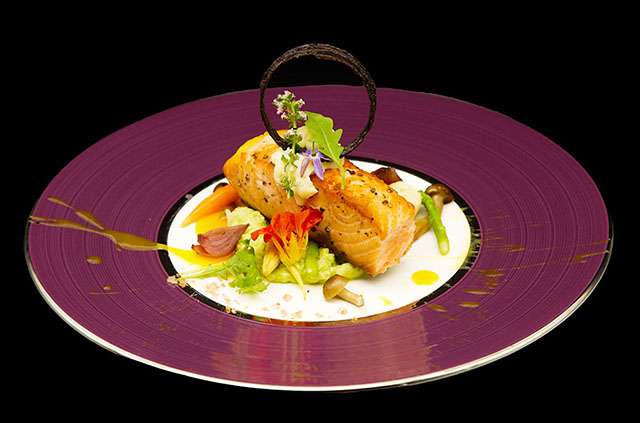
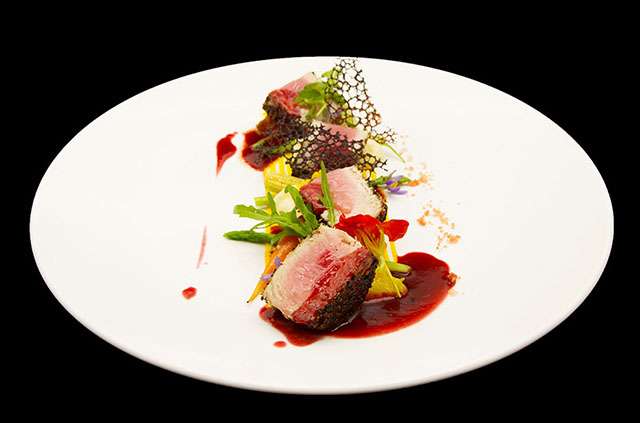
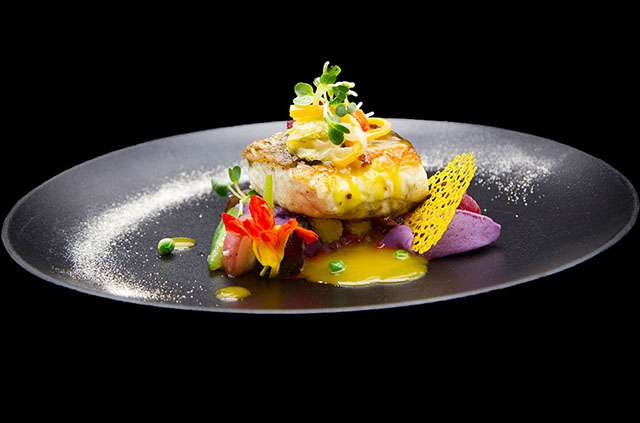
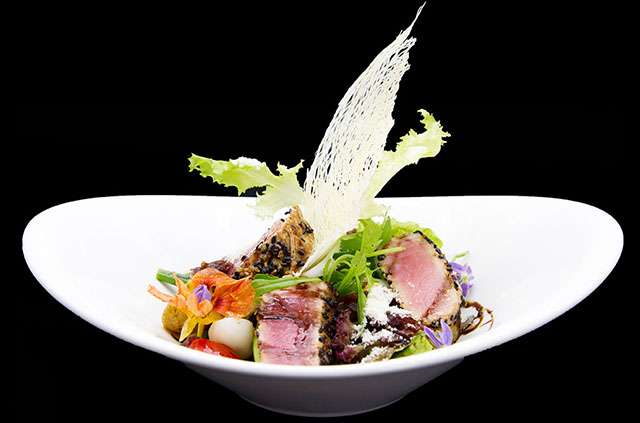
The art of building a balanced salad is less about piling on leaves and more about composing contrasts. At Duong Restaurant Saigon, the Vietnamese and French fusion menu makes that lesson vivid: tuna steak or seafood meets fresh herbs, crisp vegetables and a dressing with enough acidity to unite them. The result should feel complete, not merely virtuous.
Australian kitchens make the exercise seasonally specific. Sydney summers favour cool, cucumber-led plates, while Melbourne’s changeable weather suits warm salads for much of the year. Coles and Woolworths provide dependable salad basics, but Vietnamese mint, Thai basil and rau ram are more likely to come from an Asian grocer or local market.
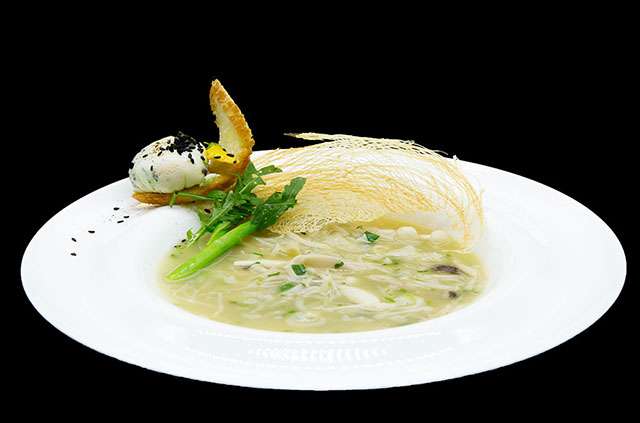
Balance also depends on the role a salad plays in the meal. Here it may be a substantial lunch or a fresh counterpoint to rich seafood; at home, Australian barbecue gatherings and packed lunches demand different amounts of fibre, richness and crunch. Duong’s chef-led approach—seen in mushroom soups, seafood and rice noodle beef rolls—offers a useful reference without dictaking one fixed formula.
Precision still matters. A recipe cannot predict the herbs found at a particular market or the saltiness of a cheese, but it can sharpen judgment: what does the dish need from acidity, sweetness and aroma, and where should tenderness interrupt crispness? Those questions transform a bowl of leaves into a composed dining experience.
Balance beyond the leaves
A satisfying salad needs contrast in temperature, texture and intensity. Cold cucumber and herbs can refresh a plate beside seared tuna; warm mushrooms bring earthiness and body; toasted seeds add a subtle crunch. French technique often values clarity and seasoning, while Vietnamese cooking builds excitement through herbs, pickles, chilli and layered savoury notes.
Duong’s fusion outlook makes these contrasts complementary rather than competing. A little chilli can sharpen sweet dressing, acidity can brighten grilled seafood, and bitterness can keep an olive-rich salad from feeling heavy. The aim is not maximum complexity. Each element should support the lead ingredient while making the next bite more interesting.
The kitchen’s wider menu reinforces the principle: its classic Vietnamese bánh xeo pairs crispness with filling texture in a way that informs the balance of a side salad. A useful side should contribute contrast to the main course, not repeat its flavours at the same strength.
Ingredients with a point of view
Seasonal produce is the foundation. Australian supermarkets offer year-round lettuce, tomato and cucumber, yet choosing them at peak freshness changes the result. A ripe tomato brings sweetness and juice, crisp lettuce gives structure, and firm avocado contributes creamy fat. Local growers’ markets can reveal seasonal herbs and leaves with more character.
Fish should be treated as an ingredient with its own balance, not merely a protein added for decoration. Tuna needs restraint so its clean flavour remains distinct, and delicate fish can absorb a sharp marinade too quickly. This savoury fish marinades guide explains how acidic herbs and spices can clarify that planning for fish-based salads.
Vietnamese herbs are especially useful for Australian cooks who want fragrance without bulk. Mint and Thai basil supply high notes; coriander and rau ram provide deeper, peppery or leafy notes. Use two or three, not the whole bunch, so each remains recognisable. Salt the leaves and dressing separately, then taste before adding cheese, fish sauce or soy.
Heat, dressing and timing
Dressing is the bridge between ingredients. Whisk oil with lime, rice vinegar or lemon, then add a small amount of fish sauce, soy or sugar until the edge disappears. It should taste slightly sharper and more intense alone than it does after soaking the leaves. This gives the salad brightness without a harsh finish.
Timing protects texture. Dress sturdy leaves shortly before serving, but add delicate herbs at the last moment. Warm components—grilled prawns, tuna steak or mushrooms—can go in while still hot, provided the dressing can handle their heat. Toasting nuts or seeds in a dry pan also deepens their aroma without adding unnecessary oil.
Meal pacing reveals whether the salad succeeds. A light opening plate should prepare the palate for richer courses, while a salad served alongside meat needs enough weight to feel complete. Duong’s guide to finishing with dessert illustrates another part of dining: each course should leave a clear transition to what follows.
Comparing approaches for the plate
Different bases suit different meals. Leaf salads are bright and quick, grain salads feel more substantial, warm bean or noodle salads carry heavier seasoning, and composed seafood salads suit a leisurely lunch. The best choice depends on whether the dish is an accompaniment, a light main or the centre of the meal.
Menus designed for extended dining offer a helpful sense of progression. This all-day dining ideas guide demonstrates how breakfast, midday and evening plates can vary in richness while remaining coherent. A balanced salad works within the same principle: change one major quality, such as temperature or texture, while keeping the seasoning consistent.
| Approach |
Main strengths |
Watch for |
Best suited to |
| Leaf-based |
Freshness and quick preparation |
Watery leaves or weak dressing |
Light lunches and sides |
| Warm grain |
Satisfying texture that holds dressing |
Grains overwhelming delicate herbs |
Winter meals and barbecue sides |
| Herbed seafood |
Umami, aroma and textural contrast |
Dry fish or an aggressive marinade |
Leisurely main courses |
| Noodle or bean |
Generous, robust and familiar |
Excess weight or soggy texture |
Sharing plates and buffets |
Bring the balance to an Australian kitchen
A home version should be built in deliberate order rather than by emptying the fridge. Choose one lead ingredient, one contrasting texture and one aromatic note, then decide whether acidity, sweetness or savoury depth needs support. That structure allows a simple salad to feel layered.
- Leaves with some bite, such as rocket or cos lettuce
- Ripe seasonal tomatoes or cucumber for moisture and sweetness
- Fresh mint, Thai basil or coriander in small quantities
- A reliable source for tuna or another suitable seafood
Once the ingredients arrive, build the plate with equal care and adjust the final seasoning just before serving.
- The dressing tastes sharper by itself than when tasted with the leaves
- Warm ingredients are not cooling the dressing excessively
- Each main texture remains distinguishable
- The portion matches whether the salad is a side or a meal
Experience Duong Restaurant Saigon’s chef-led menu on Dong Du Street in District 1 by securing a place through Duong reservations. The restaurant’s cosy atmosphere and attentive service bring together fresh ingredients, contrasting textures and the careful balance behind its Vietnamese and French fusion cuisine.