The Art of Dipping: Duong Restaurant Saigon's Sauce Guide
Ho Chi Minh City pulses with culinary rhythm, and at the heart of every memorable Vietnamese meal lies a small bowl that often goes unnoticed until the first dip. Condiments are not afterthoughts in this cuisine; they are the quiet partners that bring each bite into balance, lifting herbs, char, and broth into something vivid. For diners exploring Dong Du Street in District 1, the sauces at Duong Restaurant Saigon offer a window into this tradition, blending the brightness of southern Vietnam with the refinement of French technique.
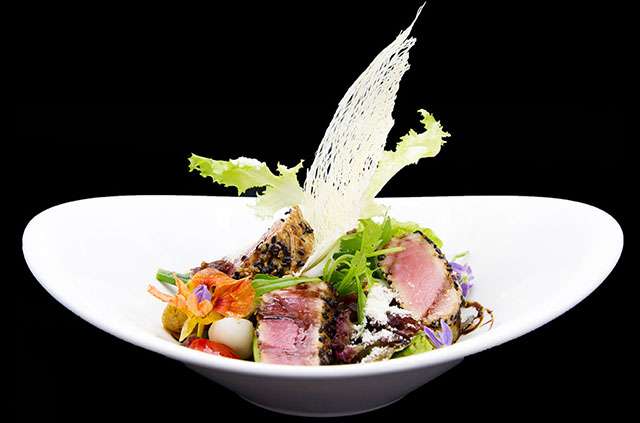
What sets this kitchen apart is its chef-led approach to condiments, where every sauce is calibrated to the dish it accompanies. From a light drizzle over tuna steak to a robust dip for rice noodle rolls, the menu reads like a layered study in balance. Visitors stepping inside for a quick lunch or a long, lingering dinner quickly discover that dipping here is less a habit and more an art form.
The Heritage of Vietnamese Dipping Sauces
Across Vietnam, dipping sauces reflect geography. The north favours heavier, soy-driven reductions, while the south celebrates brightness, with nuoc cham appearing on nearly every table. In Australia, this regional nuance has found a foothold in cities like Sydney and Melbourne, where Vietnamese eateries in suburbs such as Cabramatta and Richmond showcase the same range. Duong Restaurant Saigon honours that southern tradition, crafting each sauce from scratch daily so the balance of fish sauce, palm sugar, lime, and chili stays honest to the source.
The restaurant's location on Dong Du Street places it among diplomats, travellers, and curious food lovers, a setting where the French colonial past meets contemporary Asian dining. That history informs the condiment trolley, moving past the usual to include reductions inspired by the Lyon tradition yet grounded in local produce.
Nuoc Cham: The Soul of Southern Vietnam
Nuoc cham is the beating heart of Vietnamese dipping culture, and Duong Restaurant Saigon treats it with the reverence it deserves. The kitchen balances fish sauce, fresh lime, grated carrot, garlic, and bird's eye chili, adjusting the ratio to suit each dish. When paired with rice noodle beef rolls, the sauce cuts through the richness of the meat, while a slightly sweeter version complements grilled seafood.
For Australian palates accustomed to sweet chilli and tomato sauce on the family table, nuoc cham can feel revelatory. Its sharp salinity and citrus lift offer a different way to experience protein, rewarding slow, mindful dipping rather than drowning.
French-Influenced Sauces with Vietnamese Soul
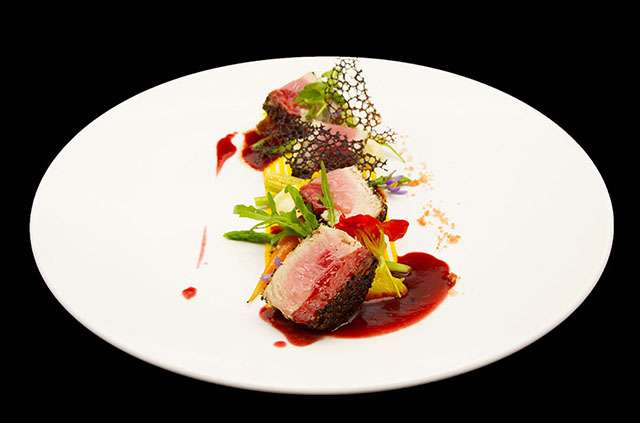
The French footprint in Vietnam runs deep, and Duong Restaurant Saigon weaves that heritage into several signature sauces. A red wine demi-glace, enriched with star anise and a whisper of lemongrass, dresses the seared tuna steak beautifully. A mushroom cream sauce, finished with a drizzle of truffle oil, brings earthy depth to lighter proteins.
This blend appeals to diners who have travelled through Paris or dined in the bistros of South Yarra and Newtown. The combination feels familiar yet surprising, bridging two culinary worlds without sacrificing the clarity of either. Australian chefs working in modern Vietnamese kitchens have long explored this intersection, and Duong's execution feels both respectful and confident.
Spicy Condiments: From Mild to Bold
Heat plays a supporting role in Vietnamese dipping, and the restaurant offers a spectrum for every tolerance. House-made sambal, pounded from red chilies, shrimp paste, and a splash of lime, brings slow-building warmth. A gentler chili oil, infused with garlic and shallot, suits diners who prefer flavour without fire.
Australia's growing appetite for spicy food, evident in the popularity of chilli crisp on supermarket shelves from Woolworths and Coles, has paved the way for condiments like these to shine. At Duong, the heat is always optional, allowing guests to build their own intensity without overwhelming the dish.
Pairing Sauces with Signature Dishes
The real pleasure comes when sauces meet their intended partners. The following table compares several house offerings and their best matches on the menu.
| Sauce |
Base Ingredients |
Flavor Profile |
Recommended Pairing |
| Classic Nuoc Cham |
Fish sauce, lime, sugar, chili, garlic |
Bright, salty, tangy |
Rice noodle beef rolls, grilled prawns |
| Red Wine Demi-Glace |
Red wine, beef stock, star anise, lemongrass |
Deep, savoury, aromatic |
Seared tuna steak, duck breast |
| Mushroom Cream |
Cremini, cream, butter, truffle oil |
Earthy, rich, smooth |
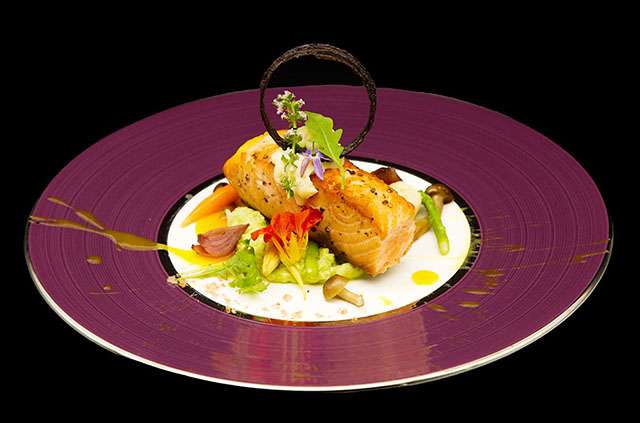
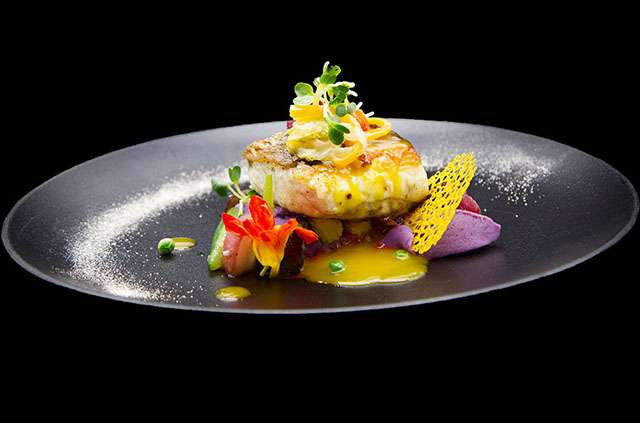
Pan-seared fish, mushroom soup |
| House Sambal |
Red chili, shrimp paste, lime, garlic |
Spicy, pungent, vibrant |
Seafood platter, salads |
| Soy-Ginger Reduction |
Soy sauce, ginger, mirin, honey |
Salty, sweet, warm |
Tuna steak, grilled vegetables |
For those planning a short visit during a working day, the lunch break guide explains how to build a satisfying meal in under sixty minutes without missing the signature pairings.
Etiquette, Atmosphere, and the Chef's Suggestions
Dipping at Duong follows an unspoken rhythm. Diners are encouraged to take only what they will finish, as refills arrive promptly from the kitchen. Sharing sauces, particularly the spicier sambals, is part of the experience, mirroring the Vietnamese family table where small bowls travel freely between guests. Browsing the restaurant gallery offers a glimpse of how the dining room sets the stage, with warm lighting and polished wood that encourage lingering conversation.
A few suggestions for first-time visitors:
- Start with nuoc cham on the rice noodle rolls before exploring richer sauces.
- Ask the server about the day's chef's special, since the condiments shift accordingly.
- Try a small amount of sambal first, then build heat to taste.
- Pair the tuna steak with the red wine demi-glace rather than chili-based condiments.
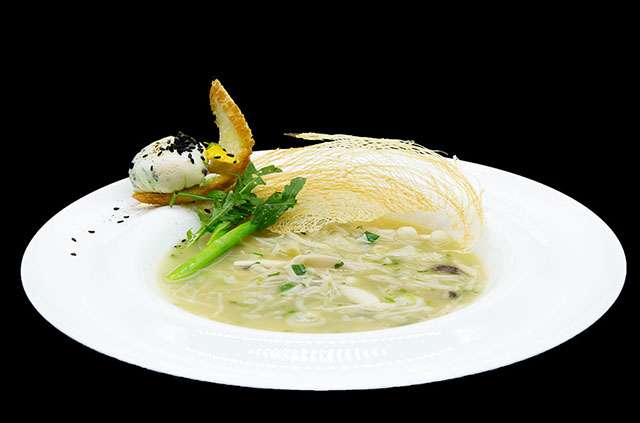
- Save room for the mushroom soup, which showcases the cream sauce beautifully.
- Take time between courses to reset the palate with the house tea.
- Ask about allergen information, especially regarding shrimp paste in the sambal.
Bringing Saigon Home for the Australian Kitchen
Recreating these sauces at home is entirely possible with ingredients now widely available in Sydney, Melbourne, and Brisbane. Asian grocers stock authentic fish sauce, palm sugar, and shrimp paste, while supermarkets carry quality limes and chilies year-round. Australian food safety standards, overseen by Food Standards Australia New Zealand, require clear allergen labelling, so checking labels for fish, shellfish, and gluten remains essential when shopping for condiments.
A homemade nuoc cham comes together in minutes, though achieving the precise balance of the restaurant version takes practice. Those eager to shortcut the learning curve can plan a visit to Dong Du Street, where the chef's sauces tell the full story.
The next step is yours. Reserve a table at Duong Restaurant Saigon and discover how a small bowl can transform an entire meal.