The Best Drinks to Complement Duong Restaurant Saigon’s Fusion Menu
Duong Restaurant Saigon brings Vietnamese ingredients and French culinary technique together in a cozy fine-dining setting on Dong Du Street. That blend creates an especially interesting opportunity for drink pairing: the right beverage can highlight fresh herbs, soften chili heat, echo savory sauces, or provide contrast to rich dishes.
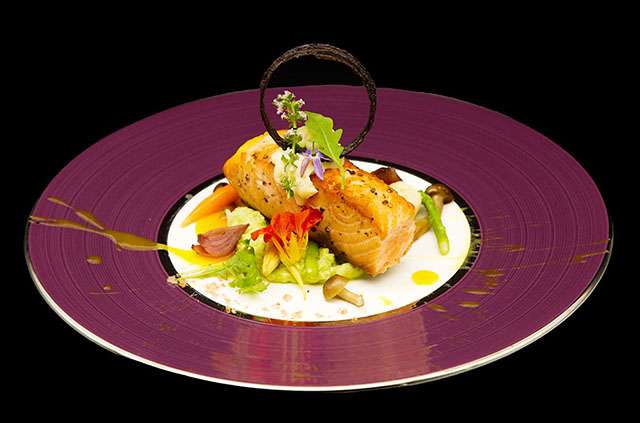
A successful pairing does not need to be complicated. Crisp whites, aromatic cocktails, Vietnamese-inspired refreshments, and carefully chosen non-alcoholic drinks can all work beautifully with the restaurant’s seafood, tuna steak, rice noodle beef rolls, salads, and mushroom soup.
The ideal choice depends on the dominant flavor on the plate. Freshness calls for acidity, grilled or seared ingredients welcome structure, and delicate soups benefit from drinks that add fragrance without overpowering the dish.
Match Freshness With Bright Acidity
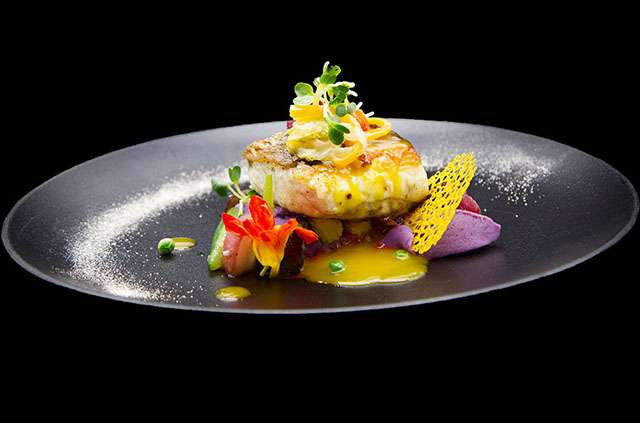
Seafood and salads are often at their best with a drink that feels clean and lively. A dry Sauvignon Blanc can bring citrus and herbal notes that complement fresh greens, seafood, and Vietnamese herbs. A crisp Chablis or another unoaked Chardonnay offers a quieter alternative, with enough acidity to refresh the palate between bites.
For a lighter experience, sparkling wine is an excellent choice. Fine bubbles lift fried or savory elements while keeping the meal feeling balanced. Brut Champagne, Cava, or a dry sparkling wine can also match the refined French influence of the menu without masking Vietnamese aromatics.
Rice noodle beef rolls benefit from the same principle. Their combination of tender beef, noodles, herbs, and dipping sauce can be supported by a dry rosé or a light-bodied red served slightly cool. These styles provide fruit and freshness while avoiding heavy tannins that might make herbs or chili taste sharper.
Choose Wine According to the Main Course
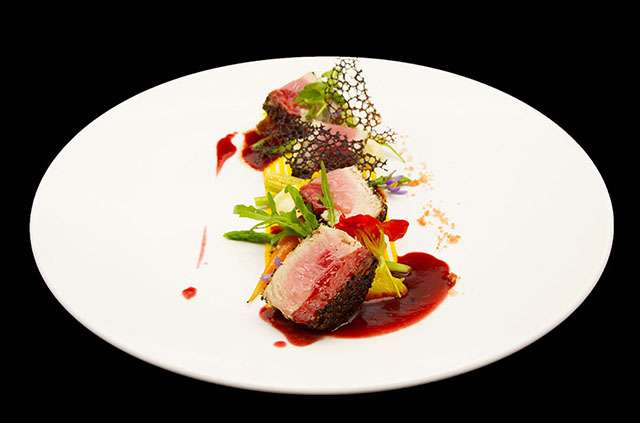
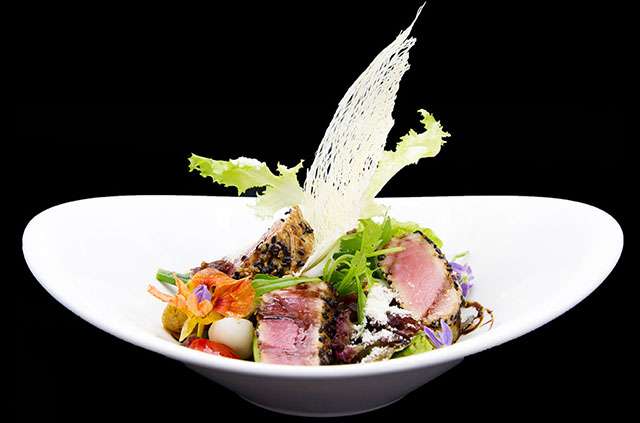
Tuna steak presents several possible directions. If it is served with a fresh, citrus-led sauce, a mineral white wine or dry rosé keeps the pairing elegant. If the dish includes a deeper reduction or more pronounced searing, a light Pinot Noir can supply gentle red-fruit character and subtle earthiness.
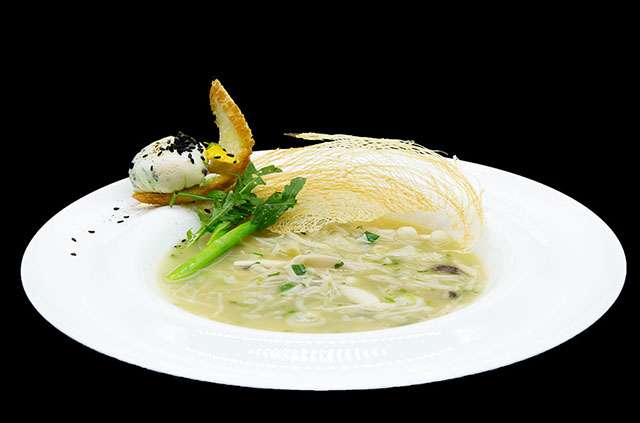
Mushroom soup calls for a wine with texture rather than aggressive acidity. An unoaked Chardonnay, Chenin Blanc, or lightly wooded white can echo the soup’s earthy depth while retaining enough freshness. For diners who prefer red wine, a soft Pinot Noir is generally more suitable than a powerful Cabernet Sauvignon.
The restaurant’s wine list guide can help diners explore these styles in greater detail. Looking beyond grape variety is useful: serving temperature, sweetness, body, and acidity often matter just as much as the wine’s country of origin.
| Dish or flavor profile |
Recommended drink |
Why it works |
| Seafood with herbs or citrus |
Sauvignon Blanc or dry sparkling wine |
Acidity highlights freshness and cleanses the palate |
| Rice noodle beef rolls |
Dry rosé or lightly chilled Pinot Noir |
Fruit and moderate body suit herbs, beef, and dipping sauce |
| Tuna steak with a light sauce |
Chablis, Chenin Blanc, or dry rosé |
Mineral freshness supports delicate flavors |
| Tuna steak with a rich reduction |
Light Pinot Noir |
Gentle tannins and red fruit complement seared notes |
| Mushroom soup |
Unoaked Chardonnay or soft Pinot Noir |
Texture and earthy tones mirror the soup |
| Spicy or aromatic dishes |
Off-dry Riesling or citrus cocktail |
A touch of sweetness and acidity balances heat |
| Salads and fresh vegetables |
Sparkling wine or herbal mocktail |
Brightness reinforces crisp ingredients |
Explore Cocktails With Vietnamese Aromatics
A well-made cocktail can bring local character to a fusion meal. Drinks featuring lemongrass, ginger, lime, basil, mint, or pandan can mirror the aromatic ingredients commonly associated with Vietnamese cuisine. The key is balance: excessive sweetness can overwhelm delicate dishes, while too much alcohol can obscure subtle sauces.
A gin-based cocktail with lime and herbs is a natural partner for seafood and salads. Gin’s botanical notes connect with fresh Vietnamese herbs, while citrus provides the acidity needed for richer dressings. A lighter rum cocktail with passion fruit or pineapple can also work well, especially when the meal includes chili, caramelized flavors, or grilled elements.
For beef rolls or tuna steak, consider a drink with a little more depth. A bourbon cocktail with ginger, a dark rum drink with lime, or a gently bitter aperitif-based serve can stand up to savory flavors. Ask for restrained sweetness so the cocktail remains suitable for a multi-course dinner.
Consider Low- and No-Alcohol Pairings
Non-alcoholic drinks deserve the same attention as wine and cocktails. Sparkling water with lime or grapefruit is simple but effective, particularly when several courses have distinct sauces and seasonings. Its clean finish resets the palate without introducing competing flavors.
A lemongrass and ginger cooler can complement seafood, salads, and noodle dishes. Fresh ginger adds warmth, while lemongrass contributes a citrus-like fragrance. For mushroom soup or seared tuna, unsweetened iced tea with jasmine, green tea, or roasted rice notes offers a more subtle pairing.
Fresh fruit drinks should be balanced rather than syrupy. Passion fruit, pineapple, or tamarind can be refreshing, but a squeeze of lime or a splash of soda helps keep the sweetness in check. Diners planning to visit nearby landmarks before or after their meal may find the Central Post Office guide useful when building a District 1 itinerary around lunch or dinner.
Build A Balanced Drinking Sequence
A full meal can benefit from changing drinks as the flavors develop. Begin with sparkling water or a bright aperitif, move to a crisp white wine with seafood or salad, and then choose a rosé, light red, or structured cocktail for beef and tuna. This progression prevents one intense beverage from dominating every course.
Serving temperature also influences the experience. Whites and sparkling wines should be properly chilled, while light reds often show more fragrance when served slightly below room temperature. Cocktails are best when dilution and sweetness are controlled, especially alongside dishes that already contain bold sauces.
Moderation helps preserve the details of a chef-led menu. One carefully selected glass may reveal more than several unrelated drinks, and a shared bottle can make it easier for the table to follow a coherent pairing from course to course.
Practical Pairing Tips For Your Visit
- Start by identifying the dish with the strongest flavor, such as chili, a rich sauce, or a seared crust.
- Choose acidity for freshness, moderate sweetness for heat, and soft tannins for beef or mushrooms.
- Ask the restaurant team about serving temperature, available vintages, and cocktail sweetness.
- Share a bottle or order by the glass when different guests want different pairings.
- Use the local ordering guide to make the dining experience feel relaxed and informed.
The best drinks to complement Duong Restaurant Saigon’s fusion menu are those that respect both sides of its culinary identity. A mineral white wine can sharpen seafood, a fragrant cocktail can echo Vietnamese herbs, and a balanced mocktail can keep every course vibrant. Reserve a table, explore the menu at your own pace, and let each drink bring a new dimension to the meal.