Etiquette for Sharing Plates at Duong Restaurant Saigon
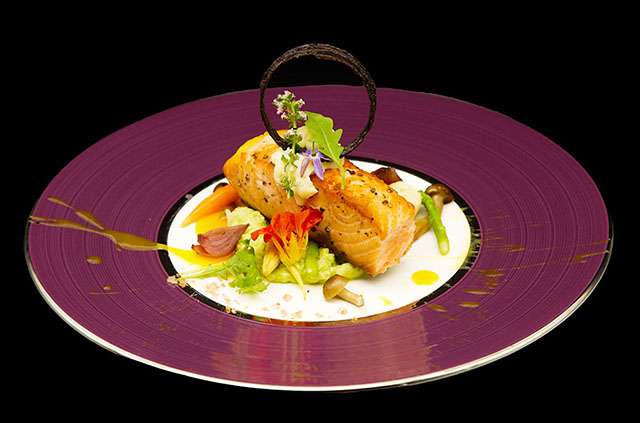
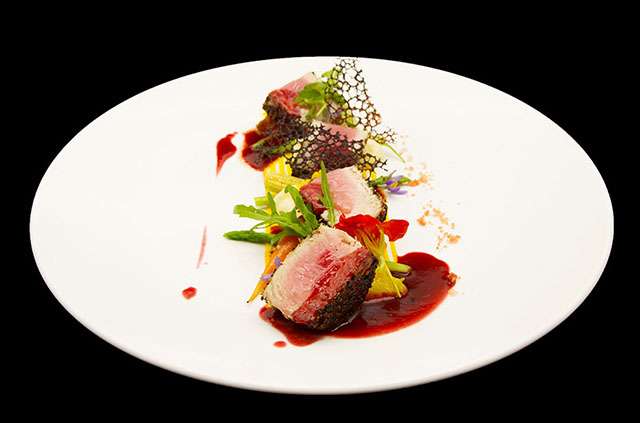
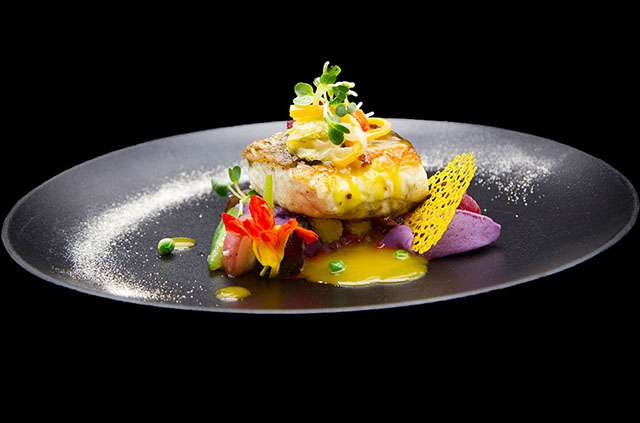
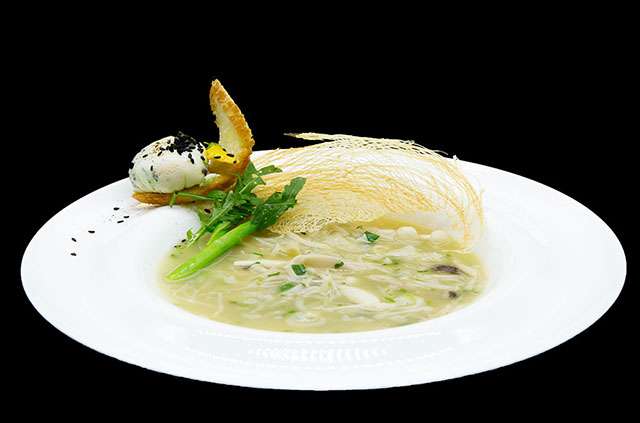
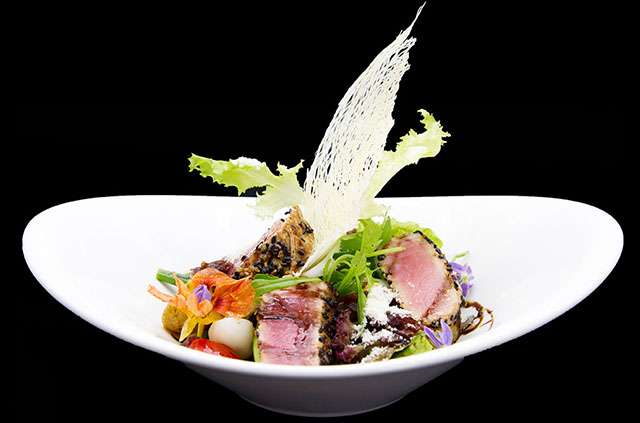
Tucked along Dong Du Street in District 1, Duong Restaurant Saigon celebrates a Vietnamese and French culinary dialogue that rewards diners who approach the table as collaborators rather than solo eaters. The chef-led menu weaves French technique through Vietnamese ingredients, producing plates of seared tuna, rice noodle beef rolls, and mushroom broth that feel designed to be passed around.
For visitors from Australia, where sharing food often means ordering tapas in a Brunswick bar or splitting sourdough in Newtown, the rhythm of a Saigon fine dining room can feel both familiar and slightly different. Understanding how locals move dishes, pour tea, and cue the next course turns the night into a long, warm conversation.
A fusion of two culinary traditions
The menu at Duong Restaurant Saigon draws on French foundations while honouring the Vietnamese habit of bringing many small plates to the centre of the table. A tuna steak brushed with miso butter might sit beside herb-laden rice noodle rolls, and a delicate mushroom soup arrives as a quiet pause between louder, brighter dishes.
This is not the strict coursed structure of a traditional Parisian bistro, nor the free-for-all of a hawker centre. Instead, the kitchen nudges guests toward a shared tasting flow, where each plate is composed but never consumed in isolation. Dishes arrive in waves, and the table decides when the next wave begins.
The interior reinforces this approach. Warm lighting, soft banquettes, and a relaxed pace mean there is no pressure to finish one plate before the next lands. Diners who ask the staff how a dish is meant to be eaten are met with patient, detailed answers.
The communal heart of Vietnamese dining
Sharing food in Vietnam predates the modern restaurant industry. Family meals, festival tables, and street food gatherings all revolve around a central spread of dishes touched by many hands. At Duong, this tradition is filtered through a more polished setting, but the underlying instinct remains strong.
When several plates arrive at once, the unspoken rule is to serve yourself a little of each, then leave room for the next wave. Chopsticks and spoons do the lifting, while a shared bowl of rice or a basket of bread becomes the neutral ground that ties the meal together. Reaching across the table is fine; reaching into a neighbour's personal bowl is not.
Australians used to the generous shared plates of a modern Melbourne eatery will notice one subtle difference. In Vietnam, the host or eldest diner often begins the serving, signalling it is safe to dig in. Waiting a beat for that first move is considered proper etiquette on a first visit.
Sharing politely at the table
Sharing only works when everyone understands the gentle mechanics of the table. At Duong, a few habits keep things flowing without anyone needing to think twice.
- Use the serving chopsticks or spoons provided, not your own, when transferring food to a neighbour's plate
- Rotate larger platters clockwise so every diner gets a turn without stretching
- Leave a thumb-width of broth or sauce in shared bowls so the next person has something to savour
- Pour tea for those nearest before topping up your own cup, a small gesture that crosses cultures easily
- Avoid stacking finished plates on top of one another, since staff prefer to clear them between courses
These small courtesies mirror values held in many Australian homes, where offering the last piece of cake or the final mouthful of pavlova is a quiet reflex. The trick in Saigon is to do it without drawing attention to the gesture.
Comparing sharing traditions across cultures
| Culture |
Typical sharing style |
Pace of the meal |
Role of the host |
| Vietnamese |
Many shared plates, central serving |
Relaxed, continuous |
Often initiates serving |
| French |
Coursed, often individual plates |
Structured and formal |
Guides each course |
| Australian |
Mix of shared starters and mains |
Casual and social |
Relaxed and inclusive |
| Italian |
Family-style, large central platters |
Long and conversational |
Encourages abundance |
A traveller moving between traditions benefits from reading the room before the first plate lands. At Duong, the structure leans Vietnamese even when the technique is unmistakably French.
What Australian travellers should know
Australian diners tend to be relaxed, direct, and comfortable chatting across a long table, habits that translate beautifully to a Saigon dinner. A few local touches can smooth the experience further.
- Keep a small wallet of Vietnamese dong handy, since tipping 5 to 10 percent is appreciated after good service
- Ask about the day's catch or the chef's pick, because the kitchen enjoys sharing the story behind each dish
- Speak at a conversational volume, matching the room rather than calling across the table
- Plan to linger, since meals at Duong stretch over several unhurried hours
- If travelling with a group, appoint one friend to coordinate ordering so the table stays balanced
In Sydney and Melbourne, the Vietnamese dining scene is mature, with neighbourhoods like Cabramatta and Richmond shaping how locals order and share. Diners from those suburbs often arrive at Duong already fluent in communal rhythms, then discover how Saigon's finer restaurants layer that rhythm with European finesse.
Aussie understatement travels well too. A quiet "this is beautiful" to the person beside you reads as sincere without breaking the flow of the room, and Ho Chi Minh City hospitality staff respond warmly to that register.
Pairing shared plates with wine and conversation
The drink list at Duong supports sharing just as much as the food. Wines by the glass let the table experiment, rotating from a crisp white alongside the salads to a richer red cut for tuna or beef. Travellers curious about how sommeliers think about pairing across many plates may find useful guidance in some natural wine tips from a sister restaurant.
For a flavour analogy that Aussie palates recognise, think of how a group in Fitzroy debates pizzas before ordering. Working through the layered profile of prosciutto and arugula, with its salty, peppery, and creamy notes, helps explain how shared plates speak to each other on the table.
The principle holds in Saigon. Each dish at Duong brings a distinct personality, and the joy comes from the quiet conversation between them. With the right pace and a few trusted companions, the evening becomes an exploration rather than a transaction.
Reserve a table at Duong Restaurant Saigon on Dong Du Street, gather a few friends, and let the chef send wave after wave of dishes to the centre of your meal. With a relaxed Aussie attitude and a willingness to share, an evening here becomes the kind of dinner that lingers well past the final cup of tea.