Vietnamese salads: from street bowls to fine dining
Vietnamese salads have travelled from quick market snacks to composed restaurant plates without losing the tension between fresh herbs, grill marks, crisp vegetables and sharp dressing. Their evolution shows how a familiar bowl can preserve regional memory while gaining precision.
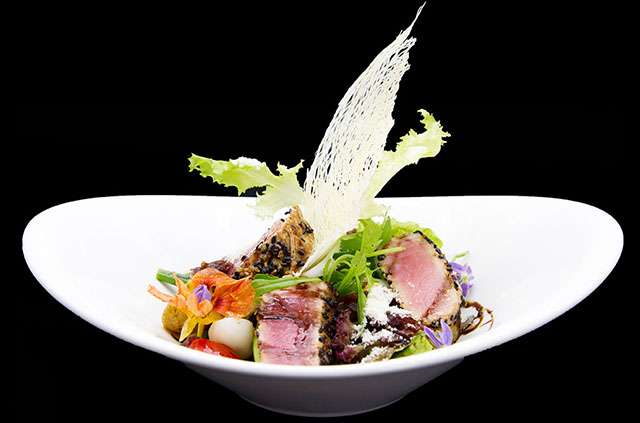
At a street stall, a salad may be assembled in seconds from lettuce, herbs, cucumber, chilli, lime, peanuts and a sweet-sour fish-sauce dressing. In a contemporary restaurant, those elements might become a plate built around tuna, seafood or grilled meat. The ingredients stay recognisable, but the gesture changes.
Street food offers speed, affordability and invention. Fine dining adds restraint, technique and contrast, making the dish less generic rather than simply “healthy”. The goal is clarity, with every leaf, chilli and roasted peanut playing a distinct role.
For Australian diners, the journey is easy to follow. Vietnamese communities and restaurants have made herbs, rice paper, fish sauce and vivid dressings everyday choices, while weekend produce markets and modern cafés have turned salad into a serious lunch option.
Street food set the grammar
Street stalls established the basic grammar: fresh, abundant and immediate. Gỏi cuốn, or fresh rice-paper rolls, carry herbs, vegetables and often shrimp or pork, ready to dip in chilli, lime and fish sauce. Other counters serve mixed salads with cabbage, bean sprouts, tofu, pickles and crushed peanuts, dressed when ordered.
The pleasure lies in contrast: cold leaves meet hot peppers, crisp cabbage sits beside soft herbs, and a salty-sweet dressing binds everything. Vendors make the meal flexible, so customers choose extras and heat levels, and two bowls rarely taste identical.
Chef-led kitchens refine the language
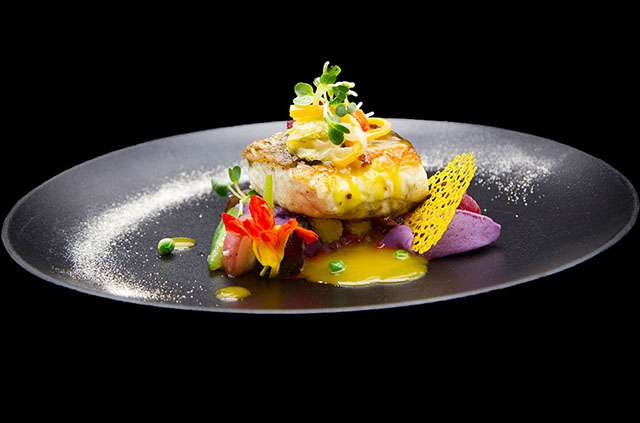
Chef-led kitchens turned flexible bowls into editable canvases. Vegetables are cut more precisely, proteins are seared or grilled, and dressings are emulsified or sharpened with concentrated stock. A modern Vietnamese salad can retain fermented depth while borrowing the clean presentation associated with French cooking.
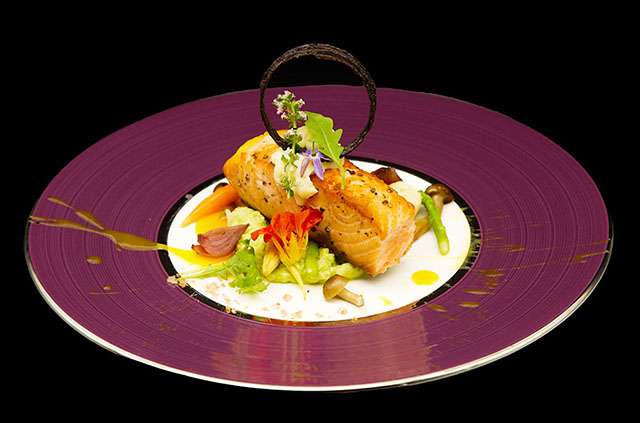
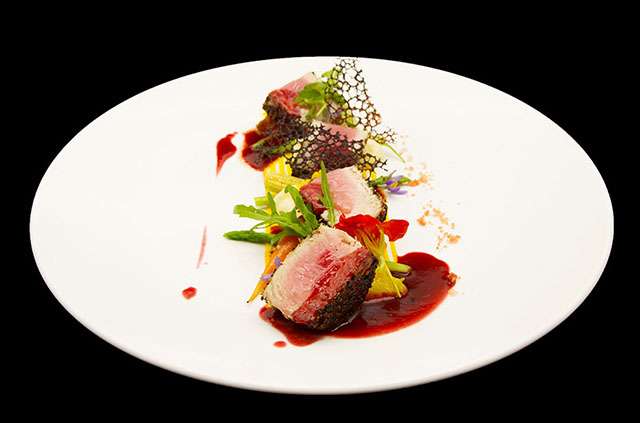
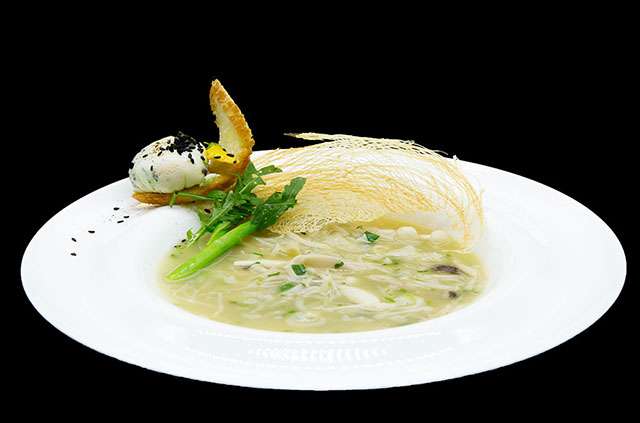
That exchange is visible in Ho Chi Minh City at Duong on Dong Du Street, where seafood, tuna steak, mushroom soup and Vietnamese flavours meet polished service. A Saigon foodie guide offers a useful starting point for understanding the restaurant within District 1’s wider dining scene.
Precision without losing intensity
Classic technique asks for little specialist equipment. Fresh herbs are picked rather than pulverised, nuts are roasted for aroma, and crisp elements are added late to retain bite. A traditional dressing balances fish sauce, lime or vinegar, sugar and chilli, using heat to frame rather than smother delicate leaves.
Contemporary versions are equally attentive to temperature. Warm seafood can meet cold herbs, pickled onion can soften grilled meat, and crisp rice paper can echo a spring roll. Refinement comes from pacing textures, not from making every plate identical.
The salad lands in Australia
Australian supermarkets stock coriander, mint, Vietnamese mint, salad leaves and chilli in the fresh produce aisles at Woolworths and Coles. Specialist Asian grocers in Richmond, Footscray and Sydney’s Cabramatta add rice paper, nước chấm, betel leaves, Thai basil and particular chillies.
Markets create another route. Melbourne’s Victoria Market and Sydney’s Carriageworks market connect diners with seasonal produce, while nearby Vietnamese bakeries and groceries supply pantry pieces for quick lunches. Shoppers can move from a market stall to a home kitchen without crossing the whole city.
Language has adapted too. A server might call a salad “light lunch for the arvo”, while “no worries” closes a request for less chilli. Even then, generous bowls suit the fast pace of the Australian neighbourhood lunch crowd, where a substantial meal remains the norm.
Shared plates for Australian celebrations
Vietnamese salads suit the Australian habit of gathering over shared plates. For a hen party, birthday brunch or baby shower, a composed salad gives the host a colourful centrepiece without sacrificing freshness. The visual language of a champagne afternoon tea offers a parallel: elegant bites, a planned sequence and a celebratory focus.
Unlike a dense cake display, leaves and herbs stay lively, making them well suited to long summer gatherings in Australia. Bringing a bottle, as many hosts do under the nation’s bring-your-own tradition, can complement the meal, while bowls and platters keep things communal even when the plating is refined.
Choosing a style that suits the occasion
The right choice depends on the meal. Market salads are bright, abundant and mixed at the last moment. Café versions benefit from a defined dressing and one strong texture. Fine-dining plates are restrained, often centred on premium seafood or meat and a sequence of precise changes.
- Ask for the dressing separately when you want to judge each bite, especially with herbs and delicate fish.
- Build a market-style bowl with cabbage, cucumber, herbs and crisp vegetables, then add chilli and peanuts at the table.
- Pair grilled seafood or tuna with cool herbs, pickled vegetables and a warm or crisp component.
- Ask staff whether the salad is a starter or main course, so the rest of your order matches.
- Buy extra bunches of herbs and vegetables for sharing rather than only what one diner will finish.
- For a celebration, choose a composed platter and prepare the dressing early, adding it just before serving.
The clearest way to compare these options is by service, structure and intensity:
| Dining setting |
Typical structure |
Dressing style |
Texture and role |
| Street market |
Mixed leaves, cabbage, herbs, vegetables and peanuts |
Fish sauce, lime, sugar and chilli |
Fresh, varied and immediate |
| Vietnamese café |
Selected toppings in a distinct bowl |
Measured dressing with adjustable chilli |
Balanced, generous and lunch-oriented |
| Fine dining |
Composed around seafood, tuna or grilled meat |
Refined, concentrated and precisely applied |
Warm-cold contrasts and layered textures |
| Australian home meal |
Shareable platter from market produce |
Prepared at home and adjusted to taste |
Flexible, communal and made for lingering |
For a first visit, choose one familiar market-style salad and one composed plate. That combination reveals the progression from fast, mixed tossing to deliberate restaurant presentation while keeping the herbs, chilli and fresh dressing that define the dish.
Taste the change in one sitting
Duong Restaurant Saigon gives this evolution a fitting setting: a chef-led Vietnamese and French fusion restaurant in District 1, with a cosy atmosphere and dishes that move between familiar flavours and composed ideas. Exploring the Duong set menu lets the kitchen’s current ingredients, pacing and presentation guide the meal.
Plan a visit to Dong Du Street, review the menu and reserve a place for dinner with friends or a celebration. Come ready to taste the contrast that has carried Vietnamese salad from a fast, generous street meal to a precise, expressive fine-dining course.