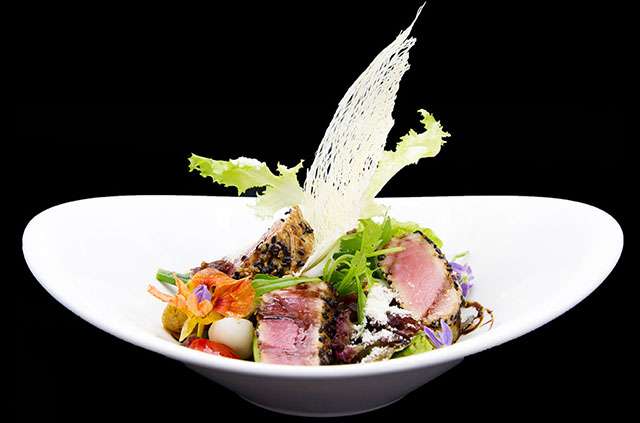
The Freshness of Mint in Duong Restaurant Saigon’s Summer Dishes
Mint brings a clean, cooling lift to Vietnamese cuisine, especially when the weather is warm and humid. At Duong Restaurant Saigon on Dong Du Street, District 1, this fragrant herb helps balance rich sauces, grilled seafood, beef, salads and other chef-led dishes with a lively green finish.
For Australian diners, the appeal is easy to understand. After a hot Sydney afternoon, a humid Brisbane day or a Melbourne summer arvo, fresh mint can make a meal feel lighter without taking away its depth. In Ho Chi Minh City, where tropical ingredients are central to the dining experience, it also creates a direct connection between the plate and the local food culture.
Why Mint Suits Saigon’s Summer Table
Vietnamese mint is valued for its bright aroma and gently peppery character. It is more assertive than the sweet mint often used in desserts or drinks, making it particularly effective beside grilled meat, seafood and savoury dipping sauces. A few leaves can sharpen the flavour of a dish without overwhelming the main ingredient.
At Duong Restaurant Saigon, this freshness fits naturally with the restaurant’s Vietnamese and French fusion style. French cooking often focuses on balance, texture and precise presentation, while Vietnamese cooking brings herbs, acidity and contrasting temperatures into the same bite. Mint sits comfortably between these traditions.
The effect is especially welcome during Ho Chi Minh City’s warmer months. Diners arriving from Australia may already be familiar with Vietnamese herbs through pho, rice paper rolls and salads, yet a fine-dining setting can show how carefully mint is chosen, placed and paired.
A Fresh Flavour For Australian Diners
Australian cities have a strong appetite for Vietnamese food, from Melbourne’s Victoria Street to Sydney’s Cabramatta and Brisbane’s West End. Many diners already recognise coriander, Thai basil, chilli and lime, so mint feels familiar while still offering a different kind of freshness. It is less citrusy than lime and softer than chilli, with a cooling quality that lingers.
Travellers planning a meal in District 1 can use this Ho Chi Minh guide to understand local transport, weather and dining customs before arriving. This is useful for Australians adjusting to the city’s busy streets, late dinners and tropical heat after leaving a cooler Australian winter.
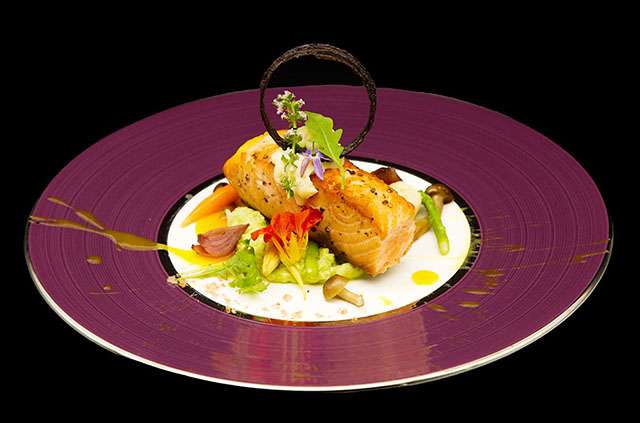
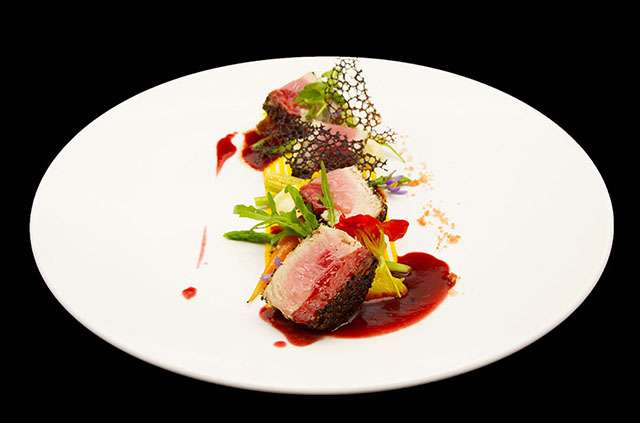
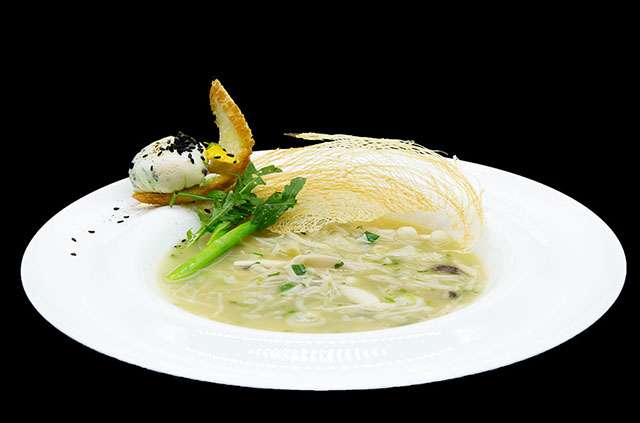
Mint also works well for guests who prefer flavourful food without excessive richness. It can refresh a mouthful of tuna steak, lift a salad dressing or temper the savoury character of mushroom soup. Rather than acting as decoration, it becomes part of the dish’s structure.
How Herbs Change The Balance
The table below shows how mint compares with several other familiar Vietnamese aromatics when used in summer dishes.
| Herb or aromatic |
Main flavour effect |
Suitable summer pairing |
| Fresh mint |
Cooling, fragrant and lightly peppery |
Beef rolls, salads and seafood |
| Coriander |
Green, citrus-like and savoury |
Dipping sauces, soups and grilled dishes |
| Thai basil |
Sweet, anise-like and warm |
Seafood, noodles and spicy broths |
| Lemongrass |
Bright, lemony and woody |
Prawns, chicken and marinades |
| Vietnamese perilla |
Earthy, herbal and slightly minty |
Fresh rolls and delicate salads |
Mint is often at its best when paired with acidity. Lime, rice vinegar and light fish sauce can draw out its aromatic edge, while a little chilli creates contrast. This balance is a hallmark of Vietnamese food: every ingredient has a role, and freshness is built through layers rather than one dominant note.
Texture matters as well. Whole leaves provide an immediate burst of aroma, finely sliced mint spreads its flavour through a salad, and a blended herb sauce creates a smoother finish. In a chef-led menu, these small choices can change how a diner experiences the same ingredient.
Dishes That Benefit From A Cooling Lift
The restaurant’s rice noodle beef rolls are a natural match for mint. Soft rice noodles and tender beef gain definition from crisp herbs, while the leaf’s coolness offsets savoury seasoning. Each bite becomes more varied, with softness, freshness and a gentle herbal finish.
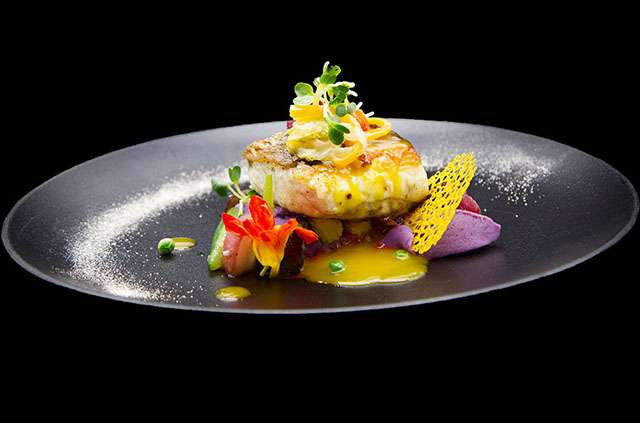
Seafood also benefits from mint’s clean character. Prawns, fish and other delicate ingredients can sometimes feel heavy when served with rich sauces, yet mint adds brightness without masking their natural flavour. A salad with fresh herbs can provide the same effect, particularly when accompanied by lime or a light dressing.
Tuna steak offers another interesting contrast. Its firm texture and deep flavour can carry stronger herbs, while mint prevents the dish from becoming too dense. Even mushroom soup, with its earthy and silky profile, can feel more lifted when served alongside fresh herbs or a crisp salad.
Small Details That Shape The Experience
Freshness begins before the first bite. Mint should look lively, with firm leaves and a vivid green colour. Its aroma should be immediate but clean, without signs of wilting or excess moisture. These details matter in warm climates, where herbs need careful storage and handling.
Presentation is equally important in a fine-dining room. A small cluster of mint can frame a dish, while finely cut leaves can distribute fragrance more evenly. At Duong Restaurant Saigon, the cosy atmosphere gives diners time to notice these details rather than rushing through a casual meal.
Guests visiting for a birthday, anniversary or special occasion may also appreciate the restaurant’s event-led approach. Its Women’s Day event reflects how food, hospitality and thoughtful presentation can work together. For Australian visitors, that sense of occasion may suit a long lunch, an evening booking or a celebration during a Ho Chi Minh City holiday.
Ways To Notice Mint On The Plate
Before mixing every component together, tasting a dish in separate elements can reveal how the herb has been used. Try a mouthful of the main ingredient first, then add mint with sauce, noodles or salad. The contrast makes its cooling quality easier to recognise.
Australian diners may also notice a difference between supermarket mint and freshly handled restaurant herbs. The latter can have a sharper aroma and more delicate texture, especially when served soon after preparation. These simple tasting habits make a meal feel more considered.
Good pairings to look for include:
- Mint with rice noodle beef rolls for freshness and contrast
- Mint with seafood for a clean, aromatic finish
- Mint with lime and fish sauce for a bright Vietnamese profile
- Mint with salad leaves for extra texture and lift
- Mint beside tuna steak to soften its richness
The herb can also be appreciated through the pace of the meal:
- Begin with a salad or light starter carrying fresh mint
- Follow with seafood or beef to explore a stronger pairing
- Notice whether the leaves are whole, sliced or blended
- Compare mint with coriander or Thai basil on the same menu
- Finish with a cool drink while the aroma remains on the palate
Make A Fresh-Flavoured Booking
Mint gives summer dishes at Duong Restaurant Saigon a sense of movement: it wakes up savoury flavours, adds fragrance to carefully presented plates and keeps a multi-course meal feeling balanced in Ho Chi Minh City’s tropical warmth. For Australians seeking a memorable dining experience in District 1, it offers a fresh way to explore familiar Vietnamese ingredients through a refined Vietnamese-French lens.
Reserve a table at Duong Restaurant Saigon and enjoy a chef-led meal where every herb, sauce and seasonal detail has a place.