Why charred onion anchors the broths at Duong Restaurant Saigon
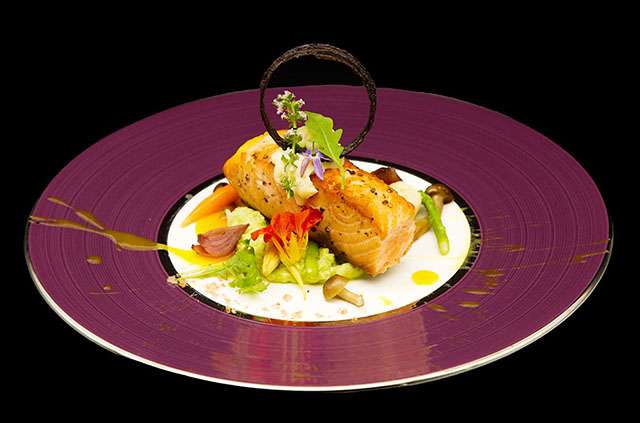
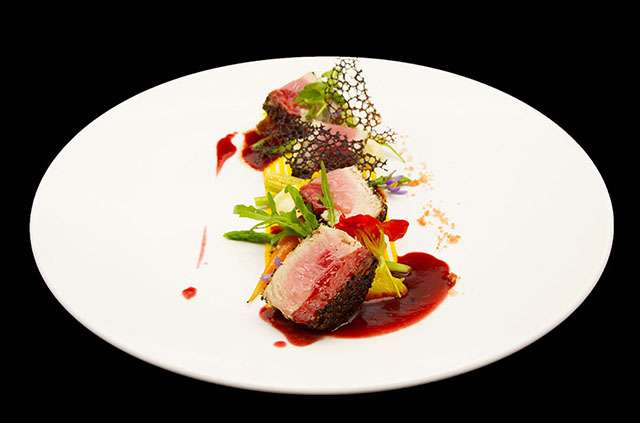
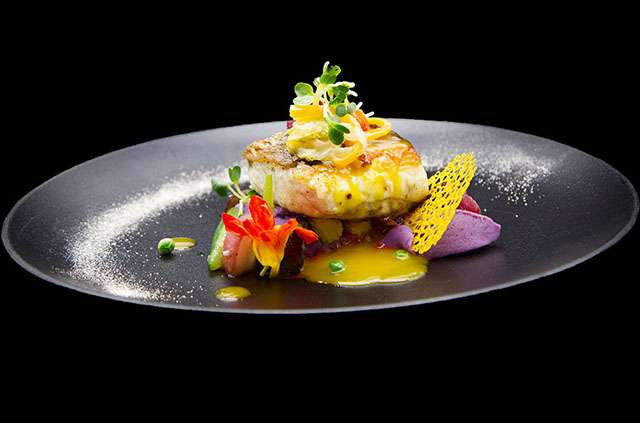
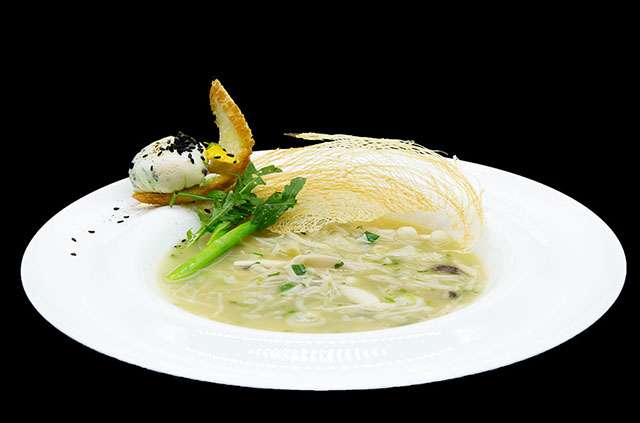
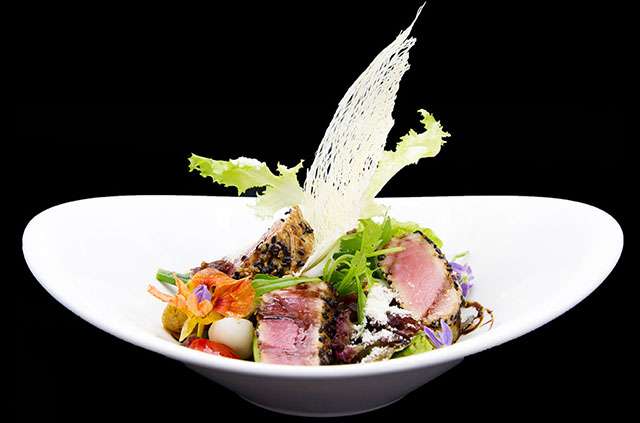
On Dong Du Street, just a short walk from the Saigon River in District 1, the dining room at Duong Restaurant Saigon centres its menu around a quietly powerful ingredient: the charred onion. The kitchen promotes a chef-led menu of Vietnamese-inspired dishes, from rice noodle beef rolls and seafood plates to mushroom soup and slow-cooked tuna steak. Few guests recognise how much work the onion is doing beneath those polished plates.
In Vietnamese cooking, aromatics are usually treated lightly, lifted quickly over flame and dropped into a simmering pot. At Duong, that step is slowed and deepened. The charred onion becomes a structural note, the kind of ingredient that quietly carries an entire broth rather than sitting on top of it.
For an Australian traveller who has spent years exploring the pho shops of Sydney's Cabramatta or Melbourne's Footscray, the flavour profile will feel both familiar and slightly redirected. It leans toward a richer, more European sense of depth, and that subtle shift is exactly what gives the restaurant's broths their identity.
Building umami from a humble ingredient
Charred onion contributes to broth through three overlapping channels: sweetness, savouriness, and a faint bitter edge that rounds out a pot. As the cut side of the onion meets a dry, hot pan or open flame, its natural sugars caramelise into darker compounds. The same heat cracks open sulphur molecules, releasing soft notes that read as roasted rather than sharp. Layered into a long-simmered stock, these notes build a sense of weight diners usually associate with meat, even in lighter seafood broths.
The kitchen leans on this balance deliberately. Where many Vietnamese broths rely on charred ginger and shallot as a quick aromatics hit, the kitchen extends the browning time, drawing out a flavour profile closer to a French onion soup's base. The result is a broth that tastes fuller than its ingredients would suggest, and that holds up beautifully under delicate proteins such as tuna steak or poached prawns.
The chemistry of browning sugars and sulphur
When onion cells hit temperatures above 140°C, the Maillard reaction kicks in, turning amino acids and sugars into a complex set of flavour molecules. These include pyrazines, which give roasted notes, and furans, which add a rounded sweetness. At the same time, the sulphur compounds that make raw onion pungent begin to break apart, leaving behind milder thiopenes that smell like toasted bread.
This is the chemistry that lets a single onion do the work of several other aromatics. By charring the half before dropping it into a pot, the chef effectively pre-builds a flavour base that would otherwise take hours to coax from raw vegetables. It is also why the broth looks slightly golden rather than pale, and why its aroma drifts toward roasted bone and toasted spice rather than simple sweet onion.
From mirepoix to a Vietnamese pot
French cuisine has long used mirepoix, a base of carrot, celery, and onion, to give stocks their quiet depth. Vietnamese cooking uses a similar logic with a different toolkit, leaning on charred shallot and ginger over open flame. The kitchen at Duong sits between the two, applying French patience to Vietnamese aromatics.
The charred onion acts as the connective tissue. It softens the line between a French-style consommé and a Vietnamese noodle broth, giving the restaurant room to plate dishes such as mushroom soup or rice noodle beef rolls with a broth that feels rooted in both traditions. For a diner who has eaten their way across the Vietnamese-Australian food scene from Brisbane's Sunnybank to the cafes of Surry Hills, that cross-cultural seam is exactly the appeal.
Comparing charred versus raw versus caramelised in a clear stock
Before deciding which onion to use, the team tests each method against the others. The differences are worth understanding, especially for a cook weighing the technique at home.
| Method |
Flavour profile |
Colour impact on broth |
Sweetness level |
Best pairing |
| Raw onion |
Sharp, vegetal, sulphur-forward |
Pale, slightly cloudy |
Low |
Light seafood broths, herb finishes |
| Caramelised onion |
Soft, sweet, jammy |
Light gold |
Medium-High |
Cream soups, pasta sauces |
| Charred onion |
Smoky, roasty, faintly bitter |
Deep amber |
Medium |
Long-simmered stocks, French-Vietnamese broths |
Raw onion brightens but can dominate. Caramelised onion sweetens but can muddy a clear stock. Charred onion sits in the middle, lending depth without compromising clarity. That middle ground is what the menu at the Saigon restaurant depends on for dishes like seafood broth and the signature mushroom soup.
How the broth travels across the tasting menu
Each dish on the tasting menu reuses the same base, but the chef adjusts the supporting cast. With the tuna steak, the broth is finished with a touch of citrus and herbs, lifting the deeper roasted notes. With the rice noodle beef rolls, the charred onion's bitterness is tempered by fresh herbs and a sharper dipping sauce.
Even the salads and appetisers benefit from a small spoonful of broth as a finishing element, a French technique borrowed from classic bistros. Diners curious about the menu can browse the full selection through the restaurant's main page, where the kitchen philosophy and current offerings are laid out in detail.
Notes for diners who know Cabramatta and Footscray pho shops
Australians who grew up eating pho in the western suburbs of Sydney or the inner west of Melbourne will recognise some of the broth's bones: the roasted clove, the gentle star anise, the long simmer. What changes at Duong is the charred onion's prominence, which pushes the broth toward a more rustic, almost wood-fired profile.
This style sits closer to a slow-cooked French onion soup than to the bright, lifted pho found in suburban shops along The Rocks or near Bondi's Hall Street. Travellers planning to explore the city's cafe and dining culture alongside a meal here can follow this District 1 cafe guide to map out stops within walking distance.
Bringing the technique into a home kitchen in Australia
Australian home cooks can recreate the effect without specialist equipment. A heavy cast-iron pan, a hot grill, or even the open flame of a gas stovetop will char halved onions in roughly five to seven minutes. The trick is to leave the skin on, char deeply, then drop the whole thing into a simmering stock for at least thirty minutes.
Habits that lift the broth:
- Choose brown or yellow onions, which caramelise more reliably than red
- Char cut side down on high dry heat before adding to the pot
- Strain the onion out before the broth takes on a muddy cast
- Pair the broth with a splash of fish sauce rather than salt for roundness
- Add fresh herbs at the end so the charred notes stay front and centre
Diners who travel often may want to balance their plans around food safety, especially when combining street stalls with fine-dining rooms. The kitchen's safe dining guide walks through practical steps for staying well while exploring the city's range.
Reserve a table at Duong Restaurant Saigon through the booking form, mention any dietary preferences when confirming, and ask the team to walk you through the broth pairings on the night. The charred onion, after all, is best appreciated when someone in the kitchen explains exactly how it landed in your bowl.