Vietnamese Mint And French Tarragon At Duong Saigon
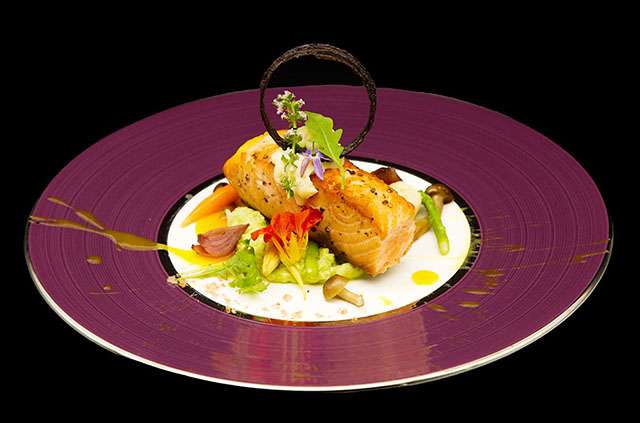
The Fusion of Herbs: Vietnamese Mint and French Tarragon at Duong Restaurant Saigon brings two distinctive culinary traditions into one carefully balanced experience. Vietnamese mint, known locally as rau răm, contributes a lively, peppery freshness, while French tarragon offers a softer anise aroma with a refined herbal finish.
At Duong Restaurant Saigon on Dong Du Street in District 1, these herbs help express the restaurant’s Vietnamese and French character. Their contrast reflects the way the menu combines familiar local ingredients with European techniques, creating dishes that feel elegant without losing their sense of place.
Herbs are central to Vietnamese cooking, where freshness, fragrance, and texture often shape a dish as much as its main ingredient. French cuisine approaches herbs with a similarly thoughtful attitude, using them to season sauces, lift delicate proteins, and create depth. Together, Vietnamese mint and tarragon provide a natural bridge between both traditions.
Two Herbs With Distinct Personalities
Vietnamese mint has a sharp, aromatic profile that sits somewhere between mint, citrus, pepper, and coriander. It is particularly effective with seafood, grilled meats, rice noodles, and salads because it cuts through richness and adds a cool, energetic note.
French tarragon is more rounded and perfumed. Its gentle licorice character pairs well with cream, butter, poultry, eggs, mushrooms, and seafood. Used carefully, it can make a sauce taste more layered without overwhelming the principal ingredient.
The two herbs are different enough to remain recognizable, yet complementary when used with restraint. Vietnamese mint brings brightness and movement; tarragon contributes warmth, polish, and a lingering finish.
A Natural Expression Of Vietnamese-French Cuisine
Fusion works best when it respects the identity of each ingredient. At Duong, Vietnamese mint can bring a fresh local accent to dishes shaped by French presentation or sauce-making, while tarragon can introduce a subtle European note to Vietnamese-inspired plates.
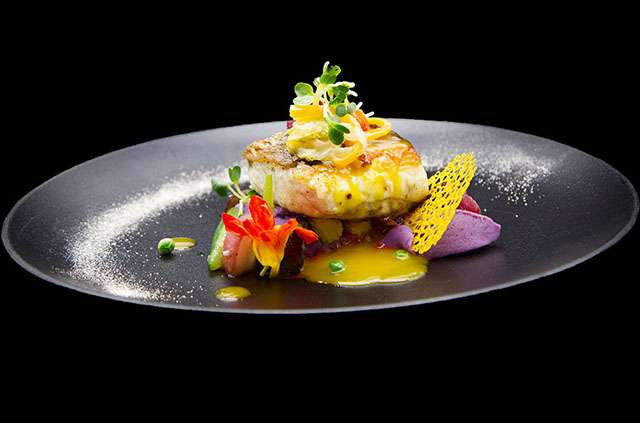
This balance is especially appealing in a fine dining setting. A herb may appear as a finely sliced garnish, an infused oil, a blended dressing, or part of a warm sauce. Each form changes how its fragrance reaches the palate and how it interacts with ingredients such as tuna, seafood, mushrooms, beef, and noodles.
The restaurant’s chef-led approach gives these details a clear purpose. Guests interested in the thinking behind the menu can explore the chef’s culinary journey, which offers useful context for the signature dishes and their Vietnamese-French influences.
Pairings That Bring The Herbs Forward
Vietnamese mint is a natural partner for rice noodle beef rolls and fresh salads. Its peppery freshness keeps the dish light, while its herbal aroma adds complexity to the beef and balances dipping sauces. It can also brighten seafood preparations, particularly when paired with citrus, chili, or crisp vegetables.
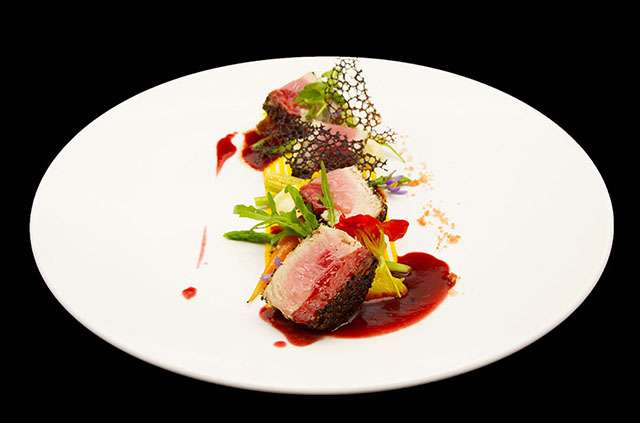
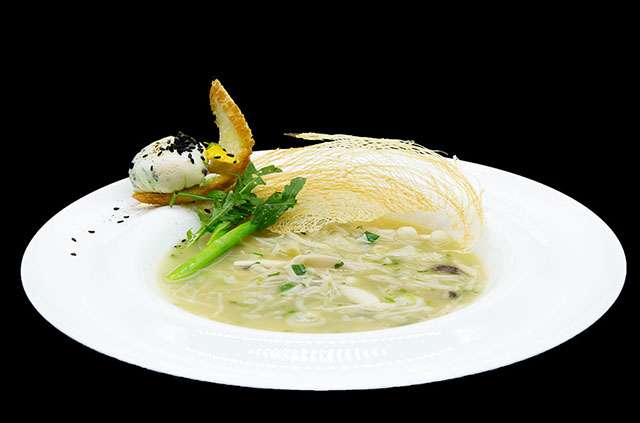
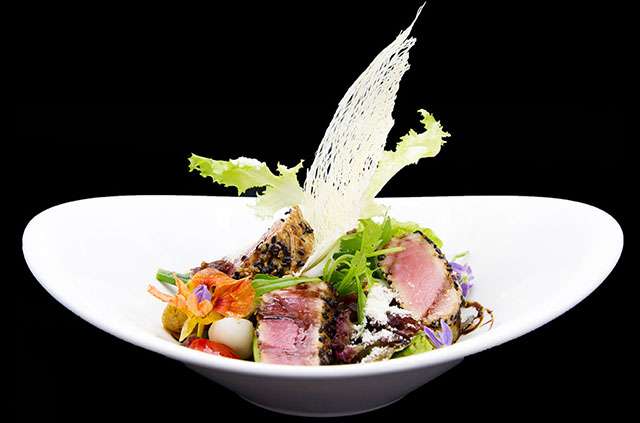
Tarragon’s character works differently. With tuna steak, it can support a delicate sauce or vinaigrette, adding fragrance without masking the clean flavor of the fish. In mushroom soup, a small amount may provide an aromatic lift against the earthiness of the mushrooms.
The strongest pairings usually depend on proportion. Vietnamese mint can become too assertive if used heavily, and tarragon can dominate a dish when its anise note is over-concentrated. A measured approach allows both herbs to remain expressive while preserving the harmony of the plate.
| Element |
Vietnamese Mint |
French Tarragon |
| Main aroma |
Peppery, fresh, citrus-like |
Anise, sweet herb, lightly floral |
| Culinary role |
Adds brightness and contrast |
Builds perfume and savory depth |
| Natural partners |
Noodles, beef, seafood, salads |
Fish, mushrooms, cream, butter |
| Best effect |
Fresh and lively finish |
Smooth and elegant finish |
| Fusion contribution |
Connects the dish to Vietnam |
Adds a French culinary accent |
Texture, Temperature, And Aroma
Herbs are experienced through more than flavor. Fresh Vietnamese mint contributes a delicate leafy texture when added at the end of cooking, while tarragon releases its aroma into warm sauces, dressings, or infused preparations. The timing of each herb can therefore change the character of the same ingredient.
A chilled salad may showcase Vietnamese mint’s crispness and fragrance, whereas a warm seafood course may allow tarragon to bloom gradually. This contrast creates a progression across a meal, moving from bright and refreshing notes toward deeper, more aromatic flavors.
The herbs also respond well to contrasting textures. A tender tuna steak, silky mushroom soup, or soft rice noodle roll gains definition when accompanied by a fresh leaf, a finely chopped herb dressing, or a fragrant sauce.
A Dining Experience In District 1
Duong Restaurant Saigon’s location on Dong Du Street places this herb-focused dining experience in the heart of Ho Chi Minh City. District 1 is known for its central streets, historic architecture, shopping, cafés, and lively evening atmosphere, making the restaurant a convenient stop during a city itinerary.
Guests planning a meal around sightseeing can browse the city’s Ho Chi Minh attractions before choosing a convenient time for dinner. A visit to the restaurant can complement an afternoon spent exploring landmarks, museums, galleries, and the busy streets surrounding central Saigon.
The cozy atmosphere and attentive service make the setting suitable for a relaxed lunch, an intimate dinner, or a special evening with visitors who want to experience contemporary Vietnamese cuisine. The herb pairing becomes part of a larger impression shaped by presentation, hospitality, and the rhythm of the meal.
Ways To Appreciate The Herbal Pairing
A few simple choices can make the relationship between Vietnamese mint and French tarragon easier to notice during a meal.
- Begin with a fresh salad or rice noodle dish to experience Vietnamese mint in its most vibrant form.
- Choose seafood or tuna to see how the herbs create freshness without covering the main ingredient.
- Try a mushroom-based course to appreciate the contrast between earthy flavors and tarragon’s aromatic lift.
- Ask about the chef’s recommendations when selecting several dishes for the table.
- Allow time between courses so the different herbal notes remain distinct.
The most rewarding approach is to consider the herbs as part of the restaurant’s broader culinary language. They are not decorative additions; they connect local produce, French technique, and the chef’s interpretation of modern Saigon dining.
Reserve a table at Duong Restaurant Saigon on Dong Du Street and discover how Vietnamese mint and French tarragon can transform familiar ingredients into a refined, memorable meal.