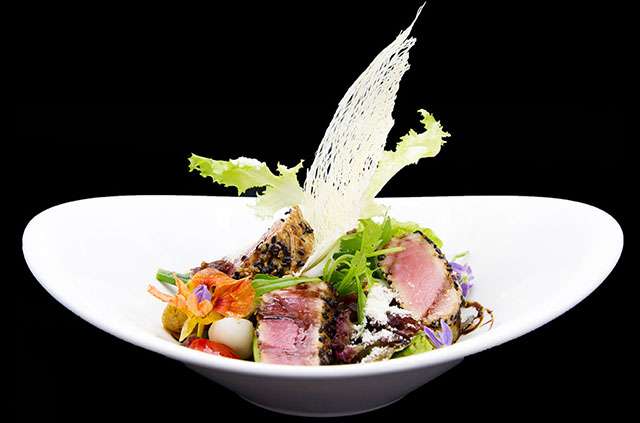
The harmony of sweet and savory at Duong Restaurant Saigon
In Vietnamese cuisine, flavor is rarely built around a single dominant note. Sweetness may come from caramelized sauces, ripe fruit, or a gentle glaze, while savory depth develops through fish sauce, herbs, stock, mushrooms, and carefully seared ingredients. At Duong Restaurant Saigon, this balance becomes a defining part of a Vietnamese and French fusion dining experience.
Located on Dong Du Street in District 1, the restaurant brings together familiar Vietnamese ingredients and refined European techniques. The result is a chef-led menu that feels elegant without losing the freshness, fragrance, and warmth associated with Saigon cuisine.
The dining room adds to that impression. A cozy setting, attentive service, and carefully plated dishes create an atmosphere suited to a relaxed lunch, an evening meal, or a special occasion after exploring central Ho Chi Minh City.
How sweet and savory create balance
Sweetness in a dish can soften intensity, round out acidity, and make savory ingredients taste fuller. In Vietnamese cooking, it is often used with restraint rather than as a dessert-like flavor. A touch of sugar, caramel, or naturally sweet seafood can bring harmony to herbs, chilies, and fermented seasonings.
Savory flavors provide the foundation. Fish sauce, stock, roasted aromatics, mushrooms, and grilled proteins contribute umami and depth. When paired with a subtle sweet note, these elements become more expressive, giving each bite a layered character instead of a flat or overly salty finish.
This balance also reflects the restaurant’s fusion approach. French culinary ideas often emphasize sauces, reduction, texture, and presentation, while Vietnamese food contributes brightness, aromatic herbs, and distinctive seasoning. Together, they create dishes that feel polished but still connected to local taste.
Vietnamese ingredients with a French sensibility
Rice noodle beef rolls are a good example of how familiar ingredients can be presented with a more refined perspective. Soft noodles and tender beef offer a comforting base, while herbs, dipping elements, and seasoning introduce freshness and contrast. A lightly sweet sauce can connect these components without covering the beef’s savory flavor.
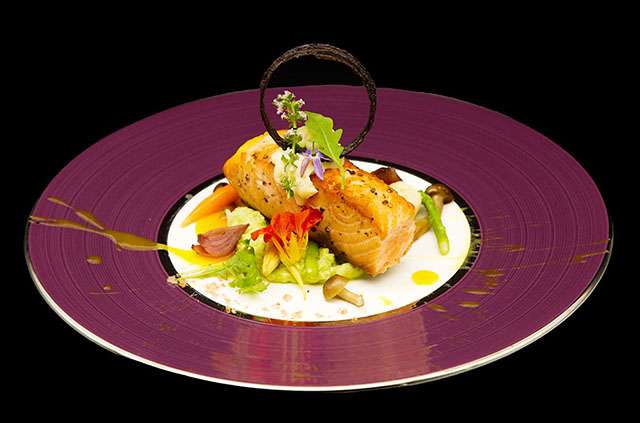
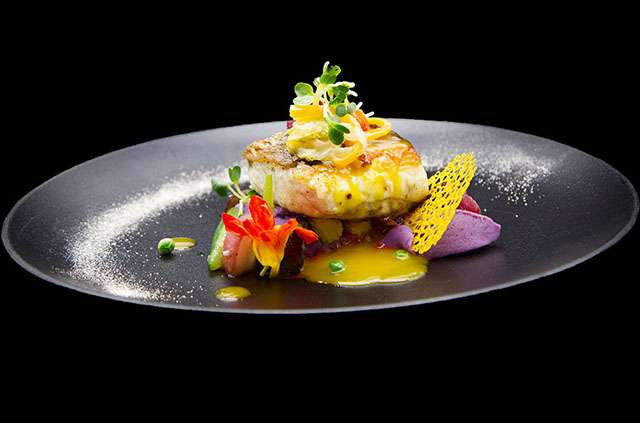
Seafood benefits especially well from sweet-and-savory composition. Fresh seafood has a delicate natural sweetness, so it can be matched with a savory broth, aromatic vegetables, or a carefully reduced sauce. This approach preserves the main ingredient while adding enough depth for a memorable plate.
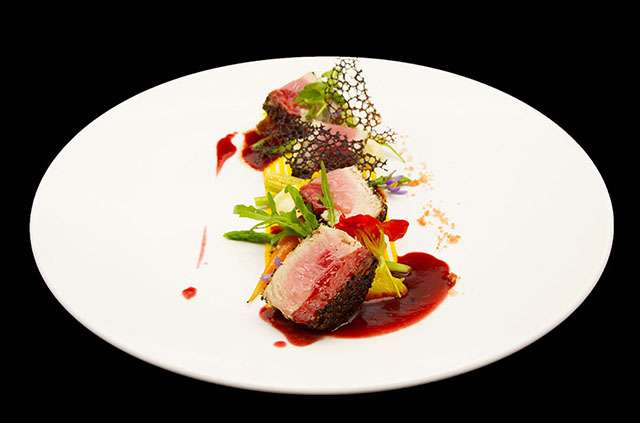
Tuna steak brings a different texture and flavor profile. Its firm, rich meat can support bright Vietnamese herbs and a nuanced sauce, while French-inspired cooking techniques help maintain a precise sear and tender center. The contrast between caramelized exterior and fresh interior makes each bite more dynamic.
A menu built around contrast
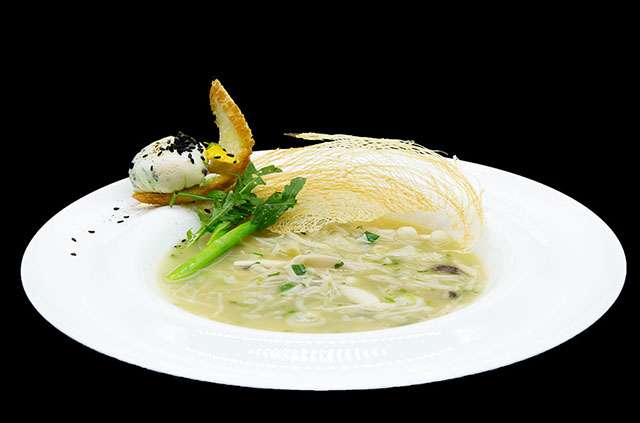
A thoughtfully composed meal should move between textures and intensities. A crisp salad may refresh the palate before a richer main course, while a warm mushroom soup can introduce earthy, savory notes at the beginning of dinner. These changes prevent the meal from feeling repetitive.
The same principle applies within individual dishes. Soft noodles may sit beside crisp herbs, tender tuna may meet a lightly caramelized surface, and delicate seafood may be paired with a sauce that combines acidity, sweetness, and umami. Such contrasts make the dining experience feel lively without becoming complicated.
| Dish style |
Sweet element |
Savory foundation |
Flavor effect |
| Rice noodle beef rolls |
Lightly sweet dipping sauce |
Beef, herbs, fish sauce |
Fresh, fragrant, and rounded |
| Seafood preparations |
Natural sweetness or gentle glaze |
Seafood stock and aromatics |
Delicate yet deeply flavored |
| Tuna steak |
Caramelized surface or balanced sauce |
Seared tuna and seasoning |
Rich, clean, and textured |
| Mushroom soup |
Mild natural sweetness |
Mushrooms, broth, and herbs |
Earthy, warm, and comforting |
| Vietnamese-inspired salad |
Ripe produce or dressing |
Herbs, vegetables, and savory accents |
Bright and refreshing |
Why the setting matters
Fine dining is shaped by more than ingredients. Lighting, pacing, table presentation, and service all influence how flavors are received. In a cozy restaurant, guests can take time to notice the aroma of herbs, the texture of a sauce, and the gradual transition from a light first course to a fuller main dish.
Duong Restaurant Saigon’s location also makes it convenient for a central city itinerary. After visiting the Central Post Office guide, diners can continue through District 1 for a meal that combines local culinary identity with contemporary presentation.
The restaurant’s atmosphere is suited to travelers seeking an authentic Vietnamese-inspired menu in a more polished setting. It can also work well for residents arranging a quiet dinner, a business meal, or an occasion where food and service need to feel considered.
What diners can expect from the experience
The menu encourages attention to balance rather than excess. A dish does not need an aggressive sauce or heavy seasoning to be satisfying. When sweetness is measured carefully, it highlights savory ingredients and gives the palate a smoother progression from one flavor to the next.
This approach is also reflected in the way guests describe their experiences. Reading traveler dining feedback can offer useful context about the restaurant’s food, hospitality, and appeal to visitors exploring Ho Chi Minh City.
For a complete meal, guests might begin with a salad or mushroom soup, continue with seafood or tuna steak, and choose a noodle-based beef dish when they want something more distinctly Vietnamese. Sharing several plates can make the contrast between light, rich, fresh, and savory flavors even clearer.
Ways to appreciate the flavor pairing
Sweet and savory harmony is easiest to notice when the meal is approached gradually. Instead of adding strong condiments immediately, taste each course as served and observe how the sauce interacts with the main ingredient. The balance may appear in a glaze, a broth, a dressing, or a small accompanying garnish.
These simple choices can help diners enjoy the menu more fully:
- Start with a salad or soup to prepare the palate for richer flavors.
- Try seafood or tuna when looking for a clean contrast between natural sweetness and savory seasoning.
- Choose rice noodle beef rolls for a dish that combines Vietnamese freshness with satisfying depth.
- Share several plates to compare sauces, textures, and cooking styles.
- Allow time between courses so the progression of flavors remains distinct.
The restaurant’s chef-led style makes this kind of attentive dining especially rewarding. Each component has a role, whether it adds fragrance, acidity, texture, richness, or a subtle sweet finish.
A meal at Duong Restaurant Saigon offers more than a selection of Vietnamese-inspired dishes. It presents a conversation between local ingredients and French culinary refinement, with sweet and savory flavors meeting in carefully considered combinations. To explore the menu, atmosphere, photos, and reservation details, visit the Duong Restaurant Saigon website and plan a dining experience in the heart of District 1.