The History of Vietnamese-French Fusion Cuisine in Saigon
Saigon’s food culture was shaped by movement: Vietnamese cooks, French settlers, Chinese merchants, regional migrants, and later international travelers all contributed ingredients, techniques, and dining customs. What emerged was not a simple replacement of local cooking with European food, but a long process of adaptation.
French colonial influence introduced new products such as butter, baguettes, coffee, pâté, wine, dairy, and European baking methods. Vietnamese cooks incorporated these elements into familiar culinary traditions, balancing them with fish sauce, herbs, rice, noodles, pickles, and bold seasoning.
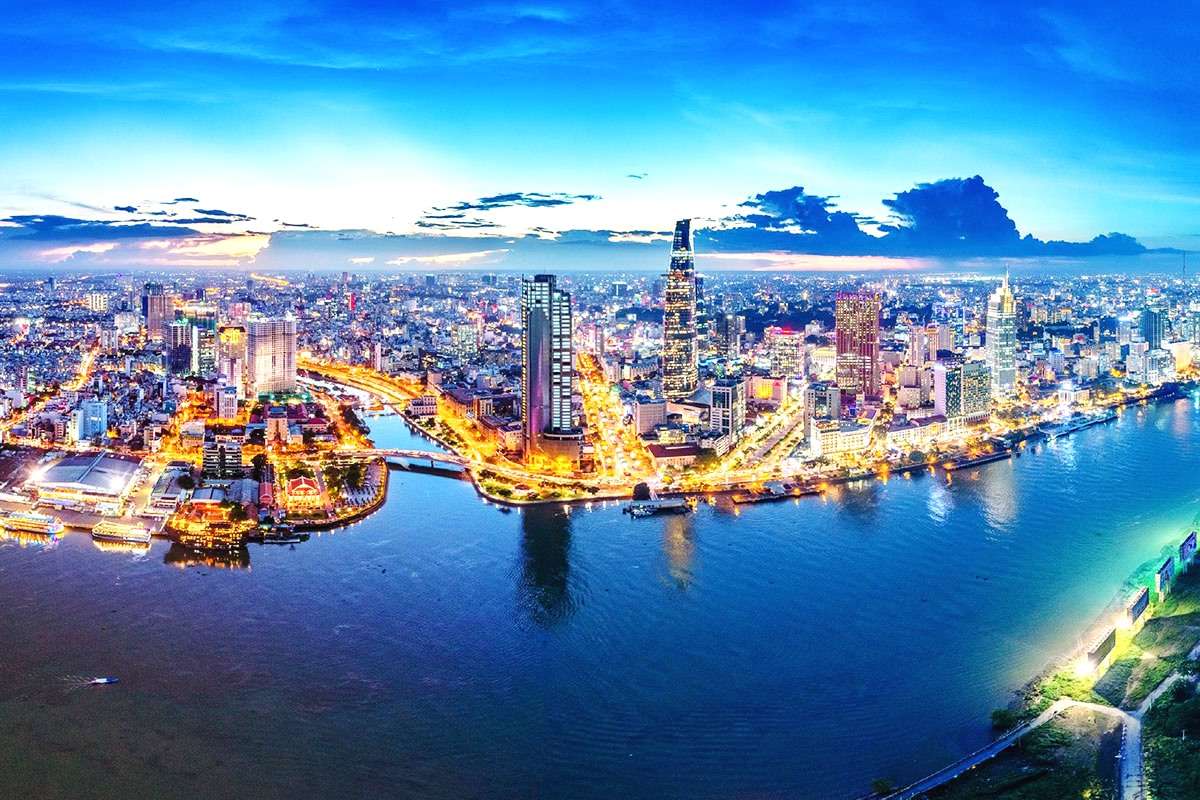
Today, Vietnamese-French fusion cuisine in Ho Chi Minh City can be found everywhere from street stalls to elegant restaurants. Its history is especially visible in Saigon, where traditional flavors meet modern presentation and French-inspired culinary technique.
French Influence In Colonial Saigon
During the French colonial period, Saigon became a major administrative and commercial center. European institutions, hotels, bakeries, cafés, and private homes created demand for French-style meals, while local markets supplied the fresh herbs, seafood, rice, vegetables, and spices that defined southern Vietnamese cooking.
Professional kitchens began working across culinary boundaries. French sauces, stocks, roasting methods, and pastry techniques entered local kitchens, but they were adjusted to suit Vietnamese ingredients and preferences. A rich dish still needed freshness, acidity, fragrance, or the savory depth of nước mắm.
This exchange also changed the city’s dining habits. Formal table settings, multi-course meals, dining rooms, and café culture became part of urban life. Yet Saigon’s food remained practical and adaptable, with foreign influences gradually becoming part of everyday eating rather than remaining limited to colonial households.
Ingredients That Became Vietnamese
The baguette is one of the clearest examples of culinary adaptation. Vietnamese bánh mì developed from the French loaf but became lighter and crispier, then was filled with pâté, grilled meat, pickled carrot, daikon, cucumber, cilantro, and chili. The result belongs fully to Vietnamese street food culture, even though its origins include European breadmaking.
Coffee followed a similar path. French-style brewing introduced robusta coffee and condensed milk into local life, creating the sweet, concentrated cà phê sữa đá enjoyed across the city. Dairy products, butter, and pâté also found new roles in Vietnamese cooking, often paired with ingredients that would not traditionally appear in French cuisine.
These transformations reveal the character of Saigon’s fusion cooking. Borrowed ingredients were not copied exactly; they were translated. Local cooks changed textures, proportions, seasonings, and serving styles until imported foods made sense within Vietnamese food culture.
From Colonial Kitchens To Contemporary Menus
After periods of war and economic difficulty, Vietnam’s Đổi Mới reforms in the late 1980s encouraged greater commercial activity and international exchange. Restaurants, hotels, and urban businesses began reconnecting with global culinary trends while also presenting Vietnamese cuisine to overseas visitors.
By the 1990s and 2000s, chefs in Ho Chi Minh City were combining local produce with European methods in increasingly deliberate ways. Seafood might be prepared with a French reduction, while Vietnamese herbs, pepper, citrus, or fermented seasonings kept the dish rooted in the region.
| Culinary influence |
Vietnamese adaptation |
Contemporary expression |
| Baguette and baking |
Bánh mì with pickles, herbs, pâté, and local meats |
Artisanal bread and plated sandwich-inspired dishes |
| French coffee culture |
Strong robusta coffee with condensed milk and ice |
Specialty coffee menus and refined desserts |
| Butter, cream, and sauces |
Balanced with fish sauce, herbs, citrus, and spices |
French techniques applied to seafood and vegetables |
| Formal dining |
Multi-course meals with local ingredients |
Chef-led tasting menus and fine dining |
| Pastry traditions |
Tropical fruit, coconut, pandan, and Vietnamese fillings |
Modern cakes, tarts, and plated desserts |
Saigon’s Fine Dining Evolution
Modern fusion restaurants do more than combine two national cuisines. They use history as a starting point, then interpret it through seasonal produce, regional recipes, and contemporary technique. The strongest menus preserve recognizable Vietnamese flavors while refining texture, balance, and presentation.
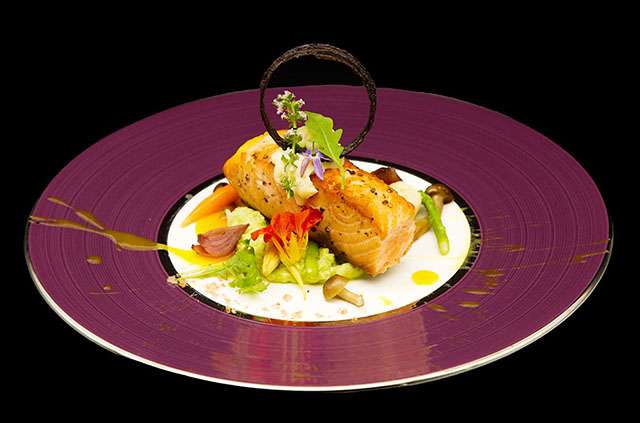
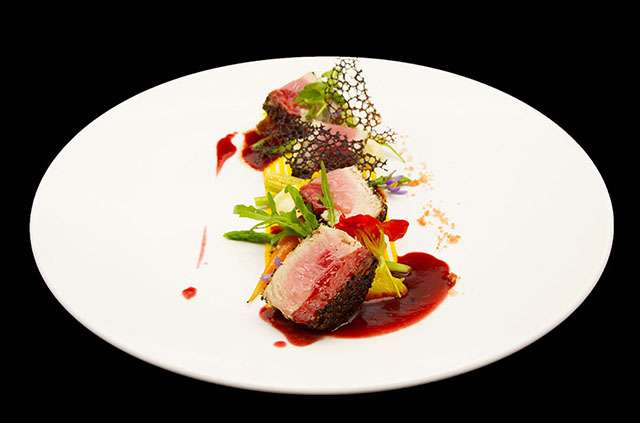
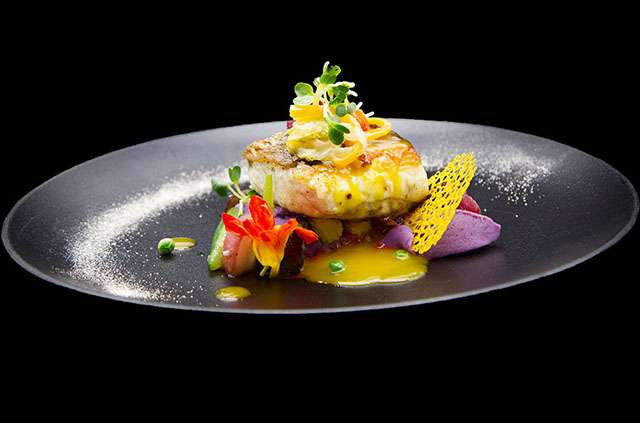
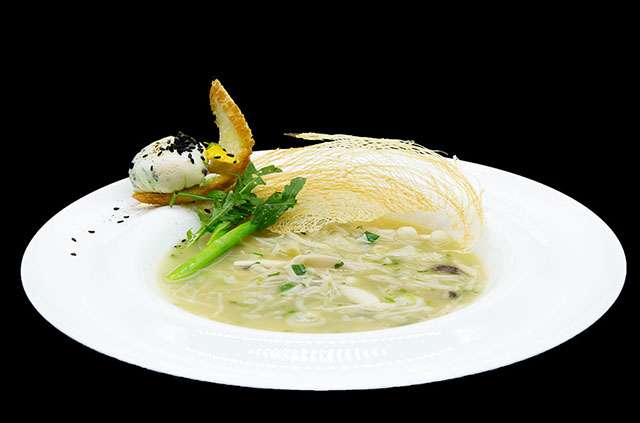
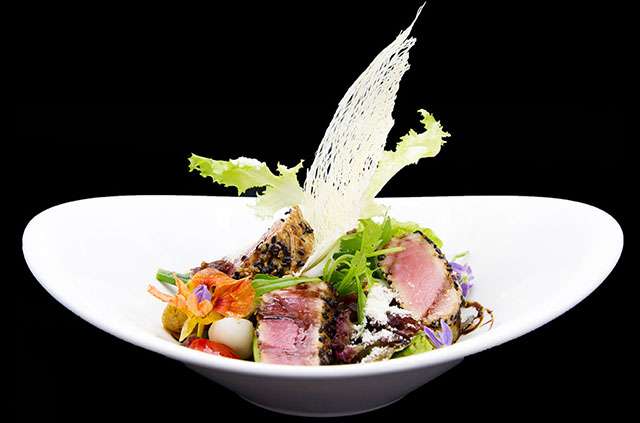
At Duong Restaurant Saigon on Dong Du Street, this approach appears in a chef-led menu that brings Vietnamese inspiration into a cozy fine-dining setting. Dishes such as rice noodle beef rolls, seafood, tuna steak, mushroom soup, and salads reflect the range of ingredients available in the city and the flexibility of modern Vietnamese cooking.
A meal in this setting can show how fusion has matured. French influence may appear in cooking methods, plating, or sauce work, while the essential identity of the dish comes from herbs, noodles, seafood, vegetables, and carefully balanced seasoning. Guests interested in the wider context can explore Saigon’s fine dining scene before planning an evening meal.
What Makes The Fusion Distinctive
Vietnamese-French cuisine is often defined by contrast. Crisp and soft textures appear together; rich sauces are lifted by herbs and pickles; grilled or seared ingredients are paired with fresh vegetables; and familiar local flavors are presented with a more formal European structure.
The influence is also visible in the order and rhythm of a meal. A contemporary restaurant may begin with a light salad or soup, continue with seafood or meat, and finish with a dessert that combines French pastry technique with tropical fruit or Vietnamese aromas. This progression suits fine dining without losing the freshness associated with Vietnamese food.
For visitors, the experience is especially meaningful because Saigon’s culinary history is still active. The city’s restaurants continue to reinterpret old connections rather than preserve them as museum pieces.
Ways To Taste Saigon’s Culinary Story
A thoughtful dining experience can make the historical relationship between Vietnam and France easier to recognize. Consider these approaches:
- Begin with a dish featuring local herbs, seafood, noodles, or rice to identify the Vietnamese foundation.
- Notice how butter, cream, reductions, pastry, or European cooking methods are used rather than assuming fusion means equal parts of two cuisines.
- Compare street food classics such as bánh mì or Vietnamese coffee with a plated restaurant interpretation.
- Ask about regional ingredients and preparation methods when visiting a chef-led restaurant.
- Pair a refined meal with a walk through central District 1, where colonial architecture, cafés, markets, and modern restaurants share the same urban landscape.
A Culinary Tradition Still In Motion
The story of Vietnamese-French fusion in Saigon is ultimately a story of local creativity. French influence provided new tools and ingredients, but Vietnamese cooks determined how those elements would be used. Over generations, foreign techniques became part of a broader culinary vocabulary shaped by climate, trade, family cooking, and regional taste.
That process continues in Ho Chi Minh City’s contemporary restaurants. Each carefully prepared course can connect the city’s colonial past with its energetic present, showing how Vietnamese cuisine remains open to influence while retaining its own distinct voice.
To experience this balance in a welcoming fine-dining setting, reserve a table at Duong Restaurant Saigon and discover how Saigon’s culinary history is expressed through today’s menu.