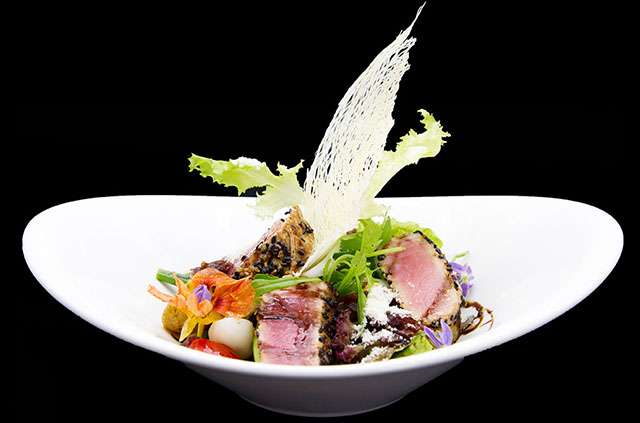
Provence herbs at Duong Restaurant Saigon
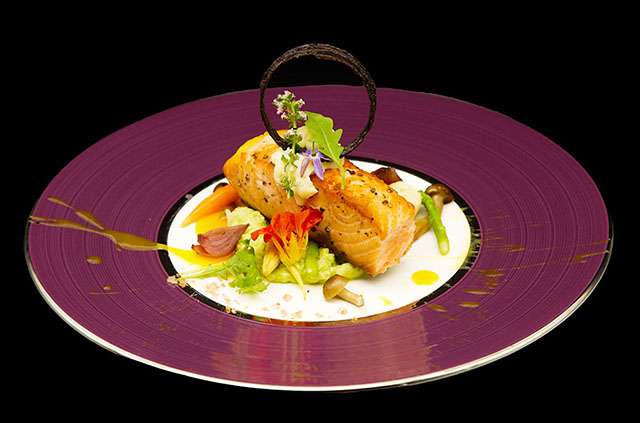
Provence’s herb garden meets Saigon’s tropical pantry at Duong Restaurant Saigon on Dong Du Street in District 1. The influence of Provence on Duong Restaurant Saigon’s herb combinations is most evident when Mediterranean plants are used to sharpen Vietnamese flavours rather than replace them. Warm stocks, grilled seafood and fresh herbs can bridge two culinary traditions.
That balance matters in a city where street food is intensely aromatic and the restaurant promotes a cosy, chef-led fine-dining experience. Diners approach rice noodle beef rolls, tuna steak, mushroom soup, seafood and salads with different expectations, while herbs provide continuity from a delicate salad to a richer broth or grilled fish.
Provence and Saigon in the same aromatic frame
Provençal cooking often treats rosemary, thyme, oregano and bay as seasoning around meat, fish and slow-cooked dishes. Vietnamese kitchens draw on mint, perilla, coriander, Thai basil and lemongrass for freshness. The overlap is not identical plants but a shared instinct: herbs should clarify flavour, not obscure the main ingredient.
| Dimension |
Provençal cue |
Vietnamese counterpart |
Fusion possibility |
| Woody herbs |
Rosemary, thyme and oregano |
Lemongrass and star anise |
Charred beef or tuna with restrained herbal lift |
| Tender herbs |
Basil, parsley and tarragon |
Mint, perilla, Thai basil and coriander |
Cooling leaves for salads and noodles |
| Savoury base |
Olive oil, garlic and wine |
Fish sauce and chilli |
A rich sauce that stays recognisably Vietnamese |
| Bright finish |
Lemon and vinegar |
Lime and rice vinegar |
Freshness that keeps seafood and soups lively |
| Herb purpose |
Structural seasoning |
Freshness and contrast |
Layered aroma without losing the main ingredient |
This framework explains why a Provençal reference sits comfortably within a Vietnamese-inspired plate. A woody herb can reinforce the char of beef or tuna, while tender leaves cool a broth or sauce. Citrus, vinegar and herbs create lift without imitating a classical French recipe.
The herb palette behind the chef-led menu
Mediterranean herbs cannot simply be transplanted into a Vietnamese kitchen. Vietnamese bay leaves differ from European bay, and tropical heat changes how rosemary or basil develops its aromas. A generic herbes de Provence blend is only shorthand; individual herbs offer a more precise language. Fresh, dried and infused herbs each release aroma differently.
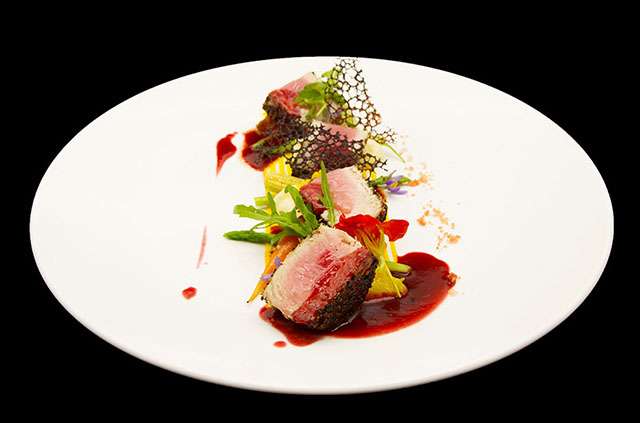
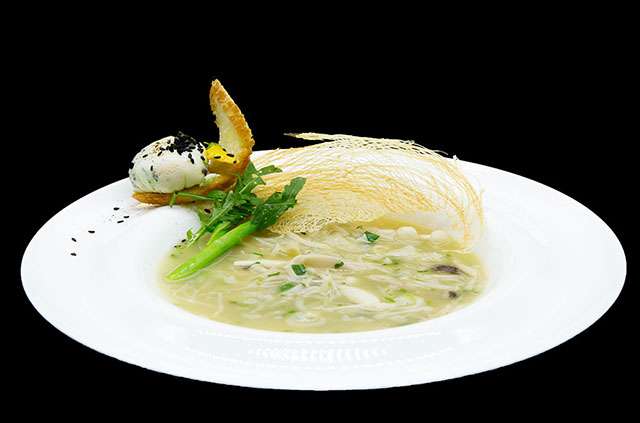
On the menu’s beef rolls, tuna steak, mushroom soup, seafood and salads, herb roles can be read through contrasting textures. Rosemary suits seared meat; basil can lift noodles; thyme can deepen mushroom broth; mint and coriander keep a salad lively. Comparing this logic with Yamazaki Ramen’s menu is instructive because another specialist cuisine uses aromatic garnishes to support the central ingredient.
Street-food energy and fine-dining detail
District 1’s dining scene moves easily from plastic stools and quick bowls to composed tasting menus. Saigon’s street kitchens favour assertive seasoning: coriander, mint, chilli and lime arrive in generous handfuls, and herbs can provide a cooling finish. At Duong, that vivid vocabulary meets a cosy fine-dining setting on Dong Du Street.
The restaurant’s Saigon street-food guide makes the contrast useful, comparing casual flavours with Duong’s more deliberate service. A Provençal herb can bridge that transition: familiar in a refined sauce, yet compatible with the freshness diners associate with the city. The goal is aromatic clarity, not a heavier version of street food.
Seafood, broth and the role of freshness
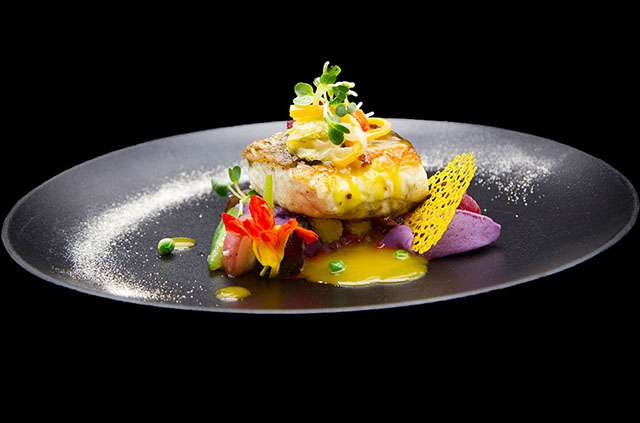
Through a Provençal lens, seafood and tuna steak suit herb-led cookery because their delicate flavours leave room for aroma. Rosemary or thyme can reinforce a browned exterior, while citrus, fresh leaves and controlled heat keep the result clean. In mushroom soup, thyme may suggest depth, while coriander or Thai basil introduces a greener Saigon note.
The salads and rice noodle beef rolls broaden the idea. Tender herbs can cool fried or grilled richness, while peppery leaves sharpen a noodle filling. Because the kitchen is French-Vietnamese, the most persuasive combinations are layered: a European herb, a Vietnamese aromatic, then lime, chilli or a savoury sauce. Attentive service preserves each aroma.
Australian palates and everyday dining habits
Australian diners may recognise the generous herb style from Vietnamese food, yet approach it through a different routine. In Sydney and Melbourne, weekend dinners are commonly booked ahead, while weekday lunches and takeaway remain part of the working week. Restaurants must deliver both a polished evening and food efficient enough for an ordinary meal.
Fresh coriander, mint and Thai basil are familiar in Woolworths and Coles supermarkets, inner-city grocers and weekend farmers’ markets. That makes the herb-led thinking easier to recognise before arriving. A specialist format such as Sushiya in New York offers another reference for presenting a focused ingredient with restraint and precision.
Food Standards Australia and New Zealand sets standards for food safety, labelling and allergens, with enforcement by state and territory authorities. Vietnamese cuisine may draw on shellfish, peanuts and soy; guests with allergies should ask about ingredients and preparation rather than judging from appearance alone. Provençal herbs add aroma, but they do not replace clear allergen communication.
An herb-led strategy for the table
Contrasting dishes reveal more about the kitchen’s herb combinations than one aromatic plate at random. Move between broth, seafood, noodles and leaves, noting how herbs change with heat, oil and acidity.
- Begin with mushroom soup or a salad to establish the aromatic baseline.
- Let tuna steak or seafood be the aromatic centrepiece, with woody herbs complementing rather than overpowering the fish.
- Share the rice noodle beef rolls to compare concentrated seasoning with lighter herb notes.
- Balance richer dishes with salad, lime, vinegar or fresh chilli.
- Ask which herbs feature in a dish and how they are used; the answer can clarify the chef’s approach.
- Finish with tea or Vietnamese coffee, if available, to reset the palate.
This progression suits mixed groups: diners who prefer delicate seafood can begin there, while those who enjoy stronger herbs can move toward noodles or soup. The payoff is a clearer sense of how the chef-led menu joins Vietnamese ingredients, French technique and the herb traditions of southern France.
Create an aromatic evening in District 1
For couples or a small group, the restaurant’s romantic dinner setup can guide timing, atmosphere and dishes for an intimate visit. The street-food-versus-fine-dining comparison adds context on how Saigon’s flavours change from casual service to a composed meal.
Check current opening hours and reservation options on the Duong Restaurant Saigon website, then book a table on Dong Du Street. Come ready to notice basil and coriander, the resinous lift of rosemary and how a Provençal herb can make Vietnamese seafood feel both new and deeply appetising.