The perfect lunch at Duong Restaurant Saigon: a three-course route
A well-planned lunch at Duong Restaurant Saigon is an easy way to experience Ho Chi Minh City through Vietnamese ingredients, French technique and thoughtful presentation. Located on Dong Du Street in District 1, the restaurant suits a leisurely midday meal when you want something more memorable than a quick bowl of noodles.
For Australian diners, the format will feel familiar: choose a comfortable pace, share a few impressions between courses and leave room for the final plate. Whether you are visiting from Melbourne, Sydney, Brisbane or Perth, this three-course route offers a polished dining experience without turning lunch into an all-day commitment.
| Course |
Suggested direction |
Dining purpose |
Ideal pace |
| First |
Mushroom soup or a fresh salad |
Start gently and awaken the palate |
10–15 minutes |
| Main |
Tuna steak, seafood or rice noodle beef rolls |
Enjoy the chef-led Vietnamese-French balance |
20–30 minutes |
| Final course |
A light sweet finish or coffee |
Close the meal without heaviness |
10–15 minutes |
Choosing the right midday pace
The best lunch begins with a little breathing space. Dong Du Street is close to many of District 1’s hotels, boutiques and cultural stops, so Duong Restaurant can work well between sightseeing at the Saigon Opera House and an afternoon walk towards Nguyen Hue Walking Street. Arrive with enough time to settle rather than squeezing the meal between two transfers.
Australians often describe a relaxed midday meal as a “long lunch”, but this route keeps the experience practical for a city itinerary. Allow around an hour to ninety minutes, particularly if you are dining with colleagues, marking a holiday occasion or travelling during a busy period. For groups or special arrangements, check the restaurant’s reservation details before arriving.
Starting with a fresh Vietnamese accent
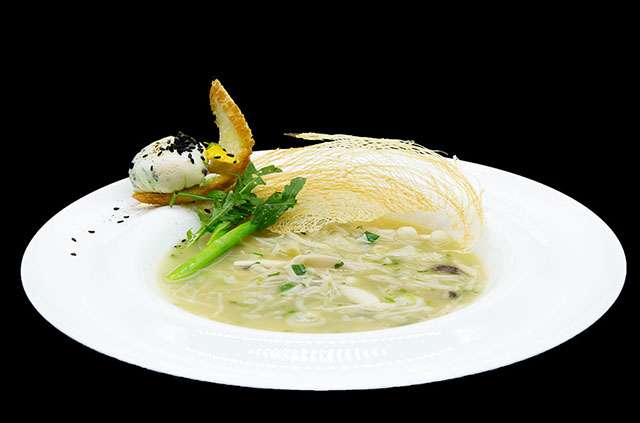
A mushroom soup is a graceful opening when the weather is warm but you still want something comforting. Its earthy flavour creates a calm beginning, while a carefully prepared salad brings brightness and texture. Either option gives you a gentle introduction before the stronger flavours of the main course.
If you prefer to share, place the first course in the centre and take a small serving each. This suits the social style many Australian diners enjoy, especially when travelling with family or friends. It also lets everyone compare the balance of herbs, vegetables, seasoning and dressing without filling up too quickly.
Adding texture with rice noodle beef rolls
Rice noodle beef rolls offer a particularly appealing bridge between familiar comfort food and a more refined restaurant presentation. The combination can deliver soft noodles, savoury beef and fresh accents in a single bite, reflecting the layered character of Vietnamese cooking.
Treat this as either a starter to share or a lighter middle course, depending on appetite. An Australian visitor accustomed to generous portions may find that the dish is best appreciated slowly rather than ordered as a rushed side. Ask the team about the recommended serving style so the rolls arrive at their best.
Making the main course the centrepiece
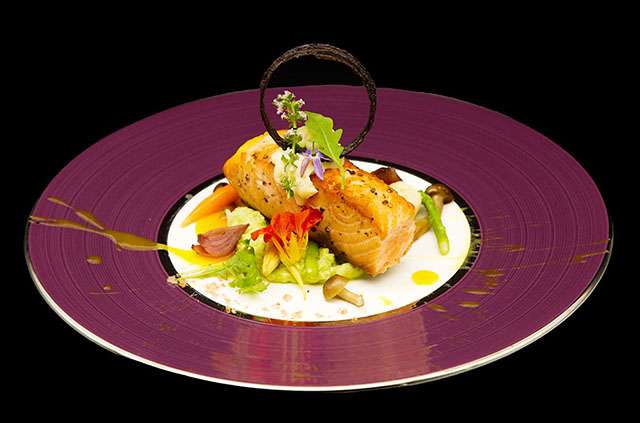
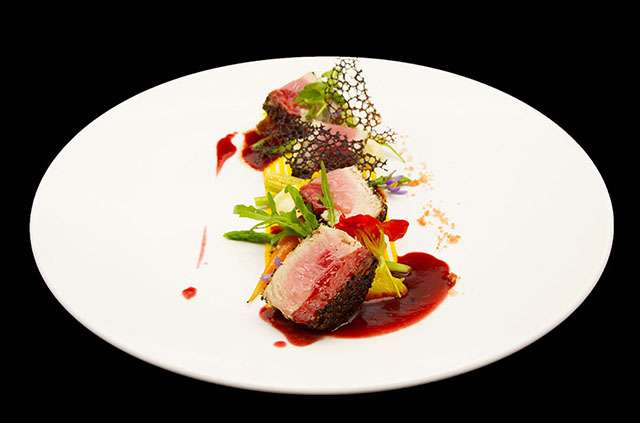
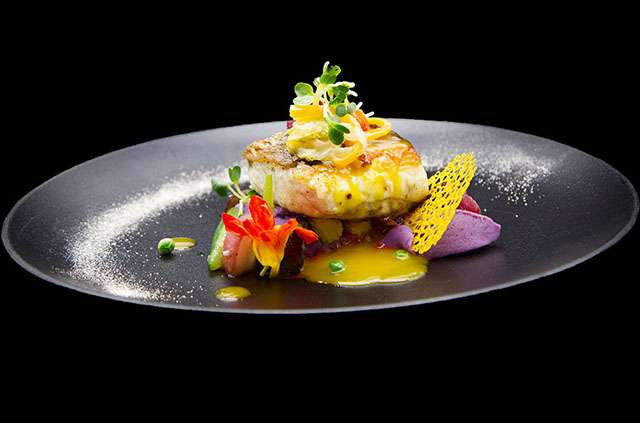
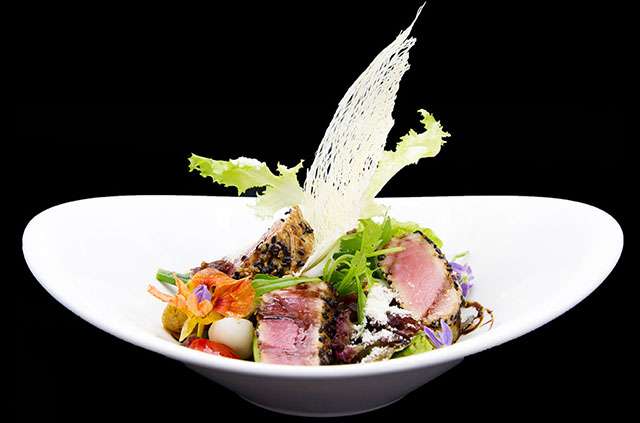
For the main course, tuna steak is a strong choice if you enjoy seafood with a clean, delicate flavour. It gives the kitchen room to show precision, while Vietnamese-inspired accompaniments can add herbs, acidity or gentle spice. Seafood is another good direction for diners who want to explore the restaurant’s coastal influence.
Those who prefer a more substantial plate can select a dish built around meat, vegetables or the restaurant’s wider Vietnamese-French repertoire. Consider the balance of the full meal: after soup and rolls, a focused main course is often more satisfying than ordering several rich dishes at once. If you are dining with children or mixed preferences, a shared seafood plate alongside individual mains can work well.
Matching the meal to Australian dining habits
Australian diners are generally comfortable asking about ingredients, spice levels and dietary requirements, and it is sensible to do the same here. Vegetarian, gluten-aware or seafood-sensitive guests should explain their needs clearly when booking and again when ordering. Menus and availability can change, so the restaurant team is the best source for current details.
The local market also shapes how visitors plan meals. A weekday lunch may sit between a hotel breakfast and an evening food tour, while a weekend booking can be part of a broader District 1 day. Guests from Sydney might compare the polished setting with dining around Barangaroo; Melburnians may appreciate the considered presentation and intimate atmosphere associated with laneway restaurants. In either case, the goal is to choose quality and balance rather than simply maximise the number of dishes.
Finishing with a comfortable sense of place
Leave the final few minutes unhurried. A light dessert, if available, or a coffee can round off the meal without competing with the flavours that came before. This is also a good time to enjoy the cosy atmosphere, look over the room and let the restaurant’s service complete the experience.
For more context before your visit, the restaurant’s guide to Saigon’s fine dining offers useful background on the city’s dining culture. It can help you understand where a chef-led Vietnamese and French fusion meal fits within Ho Chi Minh City’s broader food scene.
Reserve a table at Duong Restaurant Saigon, choose a relaxed three-course progression and make lunch part of your District 1 itinerary. With fresh opening flavours, a seafood or beef-centred main and a gentle finish, the experience offers Australian travellers a polished taste of Saigon without losing the warmth and character of Vietnamese cuisine.