The Richness Of Duck Confit In Saigon Fusion Cuisine
Duck confit brings an unmistakable sense of depth to the table. Slowly cooked in its own rendered fat, the duck develops tender meat, crisp edges, and a savory richness that feels both rustic and refined. It is a French classic with enough character to connect naturally with the aromatic ingredients of Vietnamese cooking.
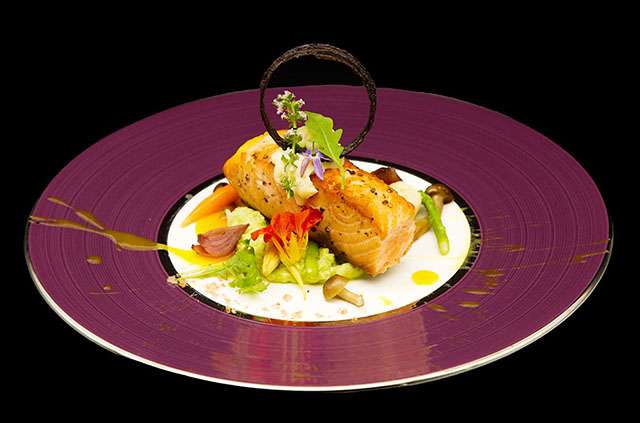
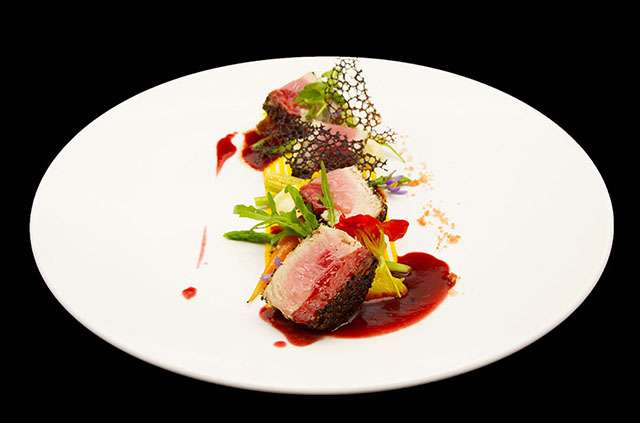
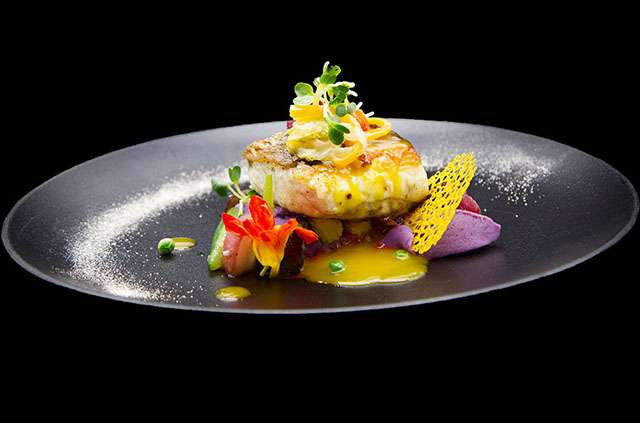
At Duong Restaurant Saigon, this kind of French technique fits the restaurant’s broader culinary identity. Located on Dong Du Street in District 1, the restaurant presents chef-led dishes in a cozy fine-dining setting, combining European methods with the freshness, fragrance, and balance associated with Vietnamese cuisine.
The result is a dining style that gives familiar ingredients a new expression. Duck confit can become the centerpiece of a composed plate, supported by bright herbs, carefully prepared vegetables, delicate sauces, or subtle touches inspired by Saigon’s lively food culture.
A French Technique With Saigon Character
Traditional confit begins with seasoning duck and allowing it to rest before slowly cooking it in fat at a low temperature. This process softens the connective tissue while preserving the meat’s concentrated flavor. Before serving, the duck is often finished at high heat so the skin becomes crisp and deeply golden.
That contrast is central to its appeal. The interior should feel succulent and yielding, while the exterior supplies a delicate crunch. In a Vietnamese and French fusion restaurant, this foundation offers an ideal canvas for brighter and more aromatic accents, preventing the richness from becoming heavy.
Vietnamese cuisine is especially skilled at creating contrast. Fresh herbs, pickled vegetables, citrus, chili, and fragrant broths can lift a rich protein and give every bite a more complete shape. These elements allow duck confit to retain its French identity while responding to the flavors of Saigon.
Layers Of Flavor In Every Bite
The richness of duck confit is more complex than simple fattiness. Long cooking encourages the meat to absorb salt and seasoning, creating a rounded savory profile. Crisped skin adds roasted notes, while the dark meat contributes a fuller flavor than many leaner poultry preparations.
A fusion interpretation can build on these qualities without masking them. A light herb dressing may introduce freshness, while ginger, lemongrass, black pepper, or a restrained fish-sauce accent can bring warmth and umami. The most successful combinations use these ingredients with precision, allowing the duck to remain the central flavor.
Texture also plays a major role. Tender duck beside crisp vegetables, soft rice noodles, or a clean salad creates a more engaging plate. The experience changes from one rich mouthful to a progression of savory, fresh, aromatic, and lightly acidic sensations.
Pairings That Keep The Plate Balanced
The best accompaniment for duck confit depends on the desired mood of the dish. A French-inspired plate might emphasize roasted vegetables and a glossy reduction, while a Saigon-influenced version could use herbs, crisp greens, or a tangy dressing. Both approaches can work when the seasoning remains measured.
Acidity is particularly valuable. A small amount of citrus, vinegar, or pickled vegetable can refresh the palate between bites. Mild sweetness may also complement the duck, but it should support the meat’s roasted flavor rather than turn the dish into a dessert-like combination.
| Element |
Contribution To The Dish |
Suitable Fusion Direction |
| Duck confit |
Tender, savory depth and crisp skin |
French culinary foundation |
| Fresh herbs |
Fragrance and cooling freshness |
Vietnamese basil, coriander, or mint |
| Pickled vegetables |
Bright acidity and crunch |
Carrot, cucumber, or daikon accents |
| Rice noodles |
Soft texture and gentle starch |
A lighter Saigon-style pairing |
| Citrus or herb dressing |
Lift and palate balance |
Lime-forward Vietnamese influence |
| Mushrooms or greens |
Earthiness and structure |
A refined supporting component |
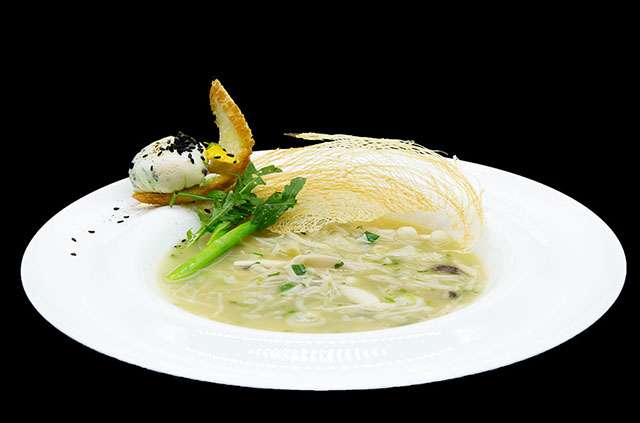
These contrasts are especially welcome in a multi-course meal. A rich duck preparation can sit comfortably beside lighter seafood, salads, mushroom soup, or other Vietnamese-inspired dishes when the overall menu is paced with care.
A Refined Choice For An Evening In District 1
Duck confit suits a relaxed yet polished dinner because it rewards slow eating. Its layered flavor becomes clearer when enjoyed without hurry, particularly in a setting that gives attention to presentation and service. At Duong Restaurant Saigon, the cozy atmosphere supports this considered approach to dining.
Guests planning a meal around rich poultry can also explore the restaurant’s wider culinary context through this guide to what to eat in Ho Chi Minh City. It offers a useful perspective on local dining traditions and helps place French-Vietnamese fusion within the wider food culture of the city.
The restaurant’s location on Dong Du Street also makes it convenient for an evening itinerary in central Ho Chi Minh City. After visiting nearby attractions or walking through District 1, a carefully prepared dinner provides a comfortable pause from the pace of the city.
How To Approach A Rich Duck Dish
A well-composed duck confit dish does not need an elaborate order around it. Start with lighter flavors if the meal includes several courses, then allow the duck to provide a deeper midpoint. Seafood, salads, or a delicate soup can prepare the palate without competing with the main protein.
Wine, tea, or another refreshing drink can also shape the experience. The ideal pairing should clean the palate and leave room for the duck’s roasted character. A beverage with gentle acidity or aromatic freshness is often more effective than something equally heavy.
For guests seeking a lighter meal, portion and balance matter. The restaurant’s guidance on navigating the menu can help diners choose complementary dishes rather than assembling several rich courses at once.
Ways To Enjoy The Dish At Its Best
Duck confit is at its most memorable when its richness is given room to develop but balanced by freshness. These simple choices can make the meal feel more harmonious:
- Begin with a light salad, soup, or seafood dish before the duck.
- Look for accompaniments that add herbs, citrus, pickled notes, or crisp texture.
- Eat the skin and tender meat together to experience the full contrast.
- Share a richer preparation with the table alongside lighter Vietnamese-inspired dishes.
- Pair the meal with a refreshing beverage rather than another heavy flavor.
The chef-led character of Duong Restaurant Saigon makes this style of dish especially appealing to diners who enjoy culinary interpretation. French technique supplies depth and structure, while Vietnamese ingredients bring energy, fragrance, and balance.
Reserve a table at Duong Restaurant Saigon on Dong Du Street and experience how duck confit can become part of a thoughtful fusion meal in the heart of Ho Chi Minh City.