The Role of Fish Sauce in Duong Restaurant Saigon’s French-Vietnamese Kitchen
Fish sauce is one of the quiet foundations of Vietnamese cooking. Known locally as nước mắm, it brings salt, savoury depth and a gentle fermented character to a dish without necessarily announcing itself as a strong seafood flavour. In a French-Vietnamese kitchen, it can work much like a stock, jus or finishing salt.
At Duong Restaurant Saigon on Dong Du Street, this ingredient helps connect familiar Vietnamese tastes with French culinary technique. The result is a style of dining that suits guests seeking refined food in Ho Chi Minh City while still reflecting the warmth and balance of everyday Vietnamese meals.
| Kitchen role |
Vietnamese expression |
French-Vietnamese application |
| Seasoning |
Adds salt and umami |
Replaces or complements table salt in sauces |
| Aromatic base |
Works with garlic, chilli and lime |
Gives reductions and dressings greater depth |
| Seafood partner |
Supports prawns, fish and shellfish |
Enhances delicate cooking without heavy cream |
| Finishing touch |
Appears in dipping sauces |
Can be balanced with butter, herbs or citrus |
A Fermented Ingredient With Depth
Traditional fish sauce is made by fermenting fish, commonly anchovies, with salt over time. This slow process creates concentrated savoury notes, so a small amount can influence an entire broth, marinade or dressing. Its value is less about making food taste “fishy” and more about building a rounded profile.
In Vietnamese cuisine, nước mắm may be mixed with lime juice, sugar, chilli and garlic to create a dipping sauce. In a French-influenced setting, the same ingredient can be used with greater restraint, folded into a sauce or added to a seafood preparation where it supports the principal ingredient.
That subtlety contributes to the restaurant’s character. Diners who enjoy the feels like home atmosphere may notice that the food feels polished without becoming distant or overly formal.
Where French Technique Meets Vietnamese Balance
French cooking often depends on layering flavour through stocks, reductions, butter, wine, herbs and careful temperature control. Vietnamese cooking commonly seeks harmony between salty, sweet, sour, spicy and aromatic elements. Fish sauce can sit comfortably between these traditions.
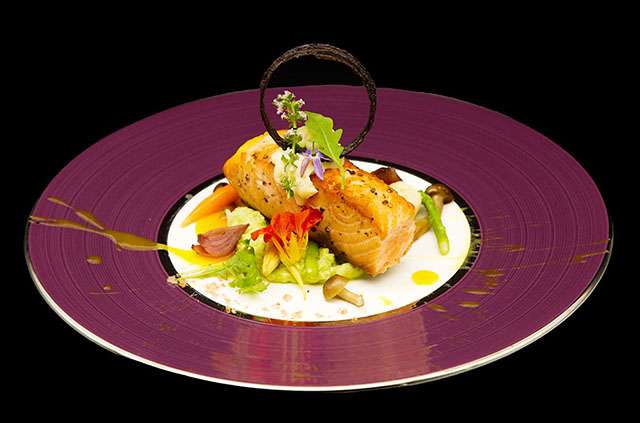
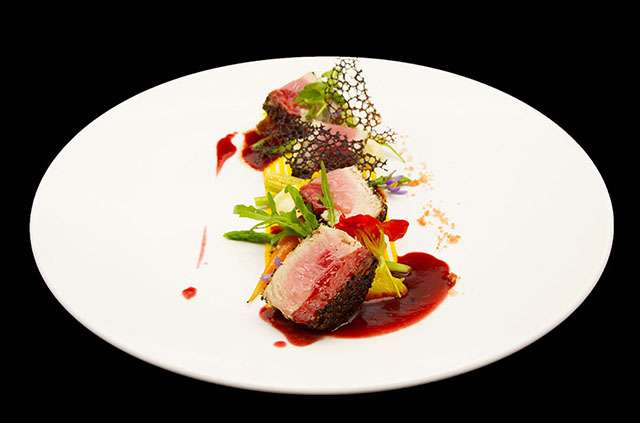
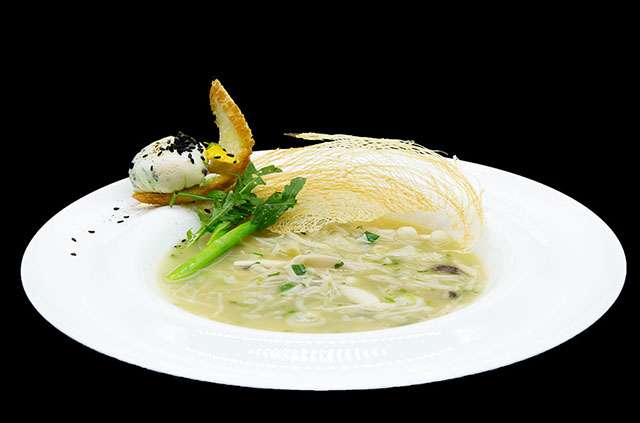
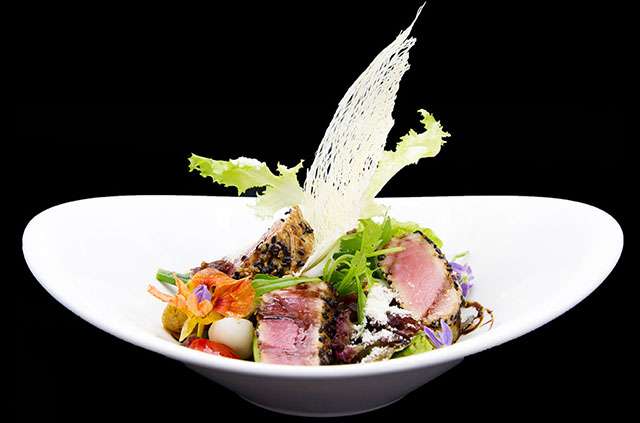
A chef may use it in place of some salt when seasoning a mushroom soup, for example, giving the broth a fuller savoury base. In a salad dressing, it can sharpen sweetness and acidity. With a tuna steak, a measured amount can reinforce the fish’s natural richness while lime, herbs or pepper prevent the result from feeling heavy.
This approach reflects a broader fusion principle: the ingredient remains recognisably Vietnamese, while the technique may be informed by French restaurant cooking. The goal is a clean, balanced finish rather than a novelty flavour.
Supporting Seafood, Meat And Vegetables
Seafood is an obvious partner for fish sauce, yet the ingredient has a much wider range. A few drops can deepen a mushroom-based broth, add complexity to a vegetable glaze or strengthen the savoury character of beef. This makes it useful across a chef-led menu that includes salads, soups, noodle dishes and grilled or pan-seared proteins.
Rice noodle beef rolls show how balance matters. The noodles and fresh herbs offer lightness, while beef brings richness; a fish-sauce dressing can connect the components with salt, acidity and a hint of sweetness. The sauce should support the roll rather than dominate its texture or aroma.
For Australian diners accustomed to high-quality seafood at Sydney Fish Market or fresh produce from Melbourne’s Queen Victoria Market, this restrained use may feel familiar. It follows the same respect for primary ingredients, while adding a distinctly Vietnamese layer of seasoning.
Flavour Cues Worth Noticing
Fish sauce can be easy to overlook when it is properly integrated. Paying attention to the sequence of flavours helps reveal how the kitchen uses it.
- A deeper savoury finish in soups and broths
- Extra roundness in lime-based dressings
- A gentle fermented note beneath fresh herbs
- More intensity in seafood without extra heaviness
- Better balance between sweet, sour and salty elements
The ingredient also changes according to what surrounds it. Garlic and chilli make it more vibrant, sugar softens its saltiness, and citrus lifts its aroma. Butter or a French-style reduction can give it a smoother, more lingering texture.
When ordering, guests may find these combinations especially expressive:
- Tuna with citrus, herbs or pepper
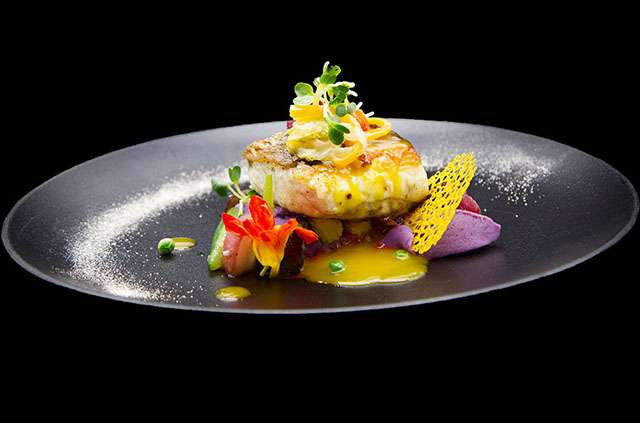
- Seafood paired with a light fish-sauce dressing
- Mushroom soup with a savoury fermented base
- Beef rolls served with herbs and dipping sauce
- Salads that combine acidity with umami
Choosing A Meal Around The Sauce
Shared dining is common in Australia, from relaxed family meals in Brisbane to long lunches in Sydney and Melbourne. That style works well with Vietnamese food because several dishes can be ordered together and tasted in contrast. A fresh salad can reset the palate between richer bites, while soup or noodles provide warmth and substance.
Guests who want to understand the restaurant’s setting as well as its menu can explore this District 1 dining guide. Dong Du Street places diners close to central Ho Chi Minh City attractions, cafés and hotels, making a meal easy to combine with an afternoon walk or an evening in the city.
A practical way to order is to choose one dish where fish sauce is clearly present, such as a dipping sauce or salad dressing, and another where it is more discreet, such as soup or a seafood preparation. Comparing the two shows how dosage and technique shape the experience.
A Distinctive Taste Of Saigon
Fish sauce gives Duong Restaurant Saigon’s French-Vietnamese kitchen a strong sense of place. It links the freshness of Vietnamese herbs and seafood with the precision of French-inspired presentation, allowing familiar ingredients to feel elegant without losing their identity.
For Australians visiting Ho Chi Minh City, the experience offers a welcome alternative to heavily sweetened or overly spicy interpretations of Vietnamese food. It is a chance to taste how fermentation, balance and restraint can define a dish just as clearly as its main ingredient.
To explore the menu, atmosphere and reservation details, visit Duong Restaurant Saigon and plan a refined meal in the heart of District 1.