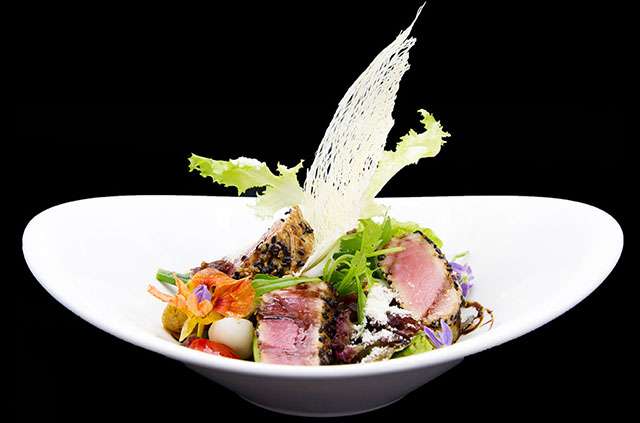
The Role of Fish Sauce in Duong Restaurant Saigon’s Modern Dishes
Fish sauce is one of the quiet foundations of Vietnamese cooking. Made from fermented anchovies and salt, it brings savoury depth, gentle sweetness and a distinctive aroma to dishes without needing a heavy sauce or elaborate garnish.
At Duong Restaurant Saigon on Dong Du Street, this traditional seasoning fits naturally into a modern Vietnamese and French fusion menu. Used with care, it can sharpen a salad, deepen a broth or give seafood a cleaner, more complete finish.
For Australian diners familiar with Asian flavours from Melbourne’s Victoria Street, Sydney’s Cabramatta or Brisbane’s West End, fish sauce may be recognisable from home cooking. The restaurant’s approach gives it a more refined role, where balance and texture matter as much as intensity.
From Pantry Staple To Fine-Dining Ingredient
In everyday Vietnamese kitchens, fish sauce is often used in dipping sauces, marinades and soups. At a chef-led restaurant, the same ingredient can be adjusted in several ways through dilution, reduction, infusion and pairing.
A well-balanced fish sauce dressing should support the main ingredient rather than dominate it. Its saltiness can be softened with lime, sugar, rice vinegar or stock, creating a layered seasoning that works with fresh herbs and crisp vegetables.
This precision suits the expectations of Australian diners, who often look for clear menu descriptions, flexible dietary choices and a polished dining environment. Fish sauce can provide complexity while keeping a dish light enough for a warm evening in Ho Chi Minh City.
Building Umami Across A Modern Menu
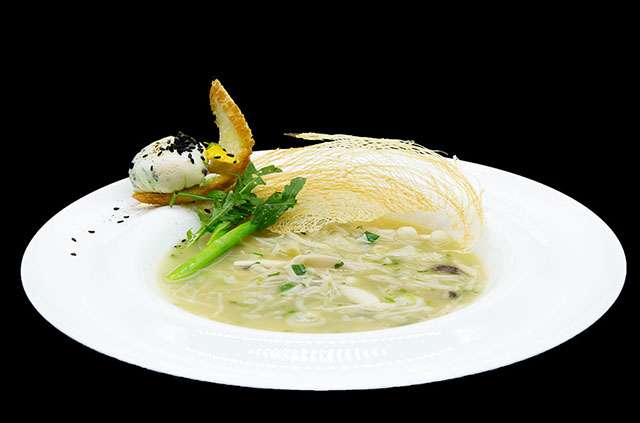
The key contribution of fish sauce is umami, the savoury quality that makes food taste fuller. In mushroom soup, a small quantity can make the broth feel rounder and more substantial, particularly when combined with aromatics such as shallot, ginger or lemongrass.
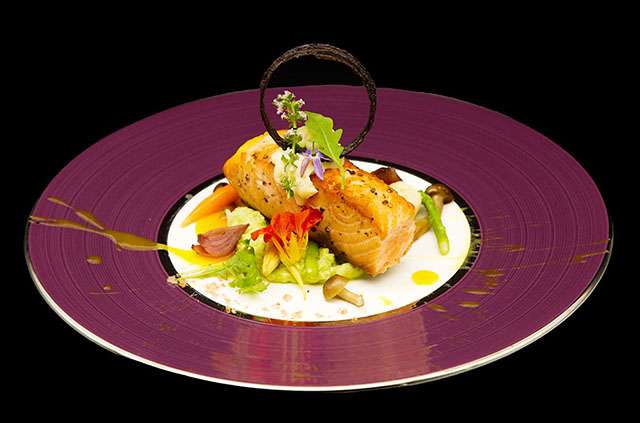
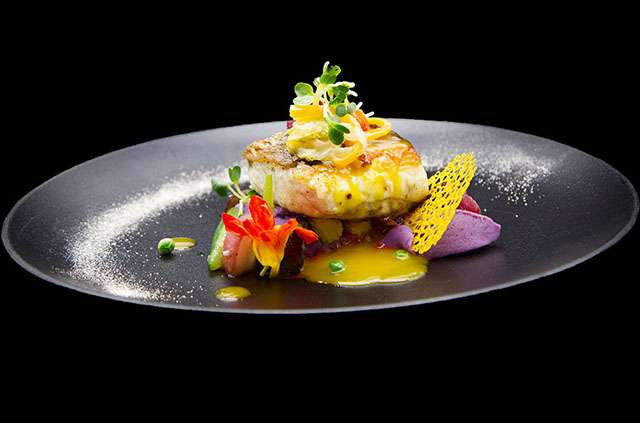
With seafood, the seasoning can reinforce natural briny notes. It may appear in a glaze for prawns, a dressing for shellfish or a finishing sauce for a delicate fillet. The amount needs to be restrained, since seafood already carries its own mineral character.
Visitors planning a District 1 evening may encounter a wide mix of restaurant and entertainment information online, including promotions such as a Chip Drop Casino Offer. For a food-centred itinerary, the useful distinction is simple: a carefully seasoned dinner should remain the focus, with fish sauce supporting the produce rather than masking it.
Finding Balance Between Salt, Sweetness And Acidity
Fish sauce works best when its salty edge is balanced by other elements. Sugar rounds the flavour, lime adds brightness, and vinegar gives a sharper finish. Garlic, chilli and herbs can then add aroma without making the sauce feel heavy.
The following comparison shows how the ingredient can behave in several modern dishes at Duong Restaurant Saigon:
| Dish Style |
Role Of Fish Sauce |
Balancing Elements |
Likely Dining Effect |
| Rice noodle beef rolls |
Seasons the filling or dipping sauce |
Herbs, pickled vegetables, lime |
Savoury depth with a fresh finish |
| Seafood |
Supports natural briny flavours |
Citrus, chilli, light stock |
Cleaner, brighter seafood character |
| Tuna steak |
Adds umami to a glaze or jus |
Soy, ginger, acidity |
A richer finish without heaviness |
| Mushroom soup |
Strengthens the broth |
Aromatics, herbs, cream or coconut |
Fuller flavour and lingering savouriness |
| Salads |
Forms part of the dressing |
Sugar, vinegar, lime, fresh herbs |
Contrast between crisp produce and umami |
This balance is especially relevant for Australian tastes, where diners may move between bold Southeast Asian flavours and French-style restraint in the same meal. A polished dish can be aromatic and memorable without being excessively salty.
Pairing Fish Sauce With Texture And Freshness
A successful modern dish needs contrast. Fish sauce brings depth, while ingredients such as cucumber, herbs, lettuce, rice noodles and pickled vegetables add freshness. In rice noodle beef rolls, that combination can create a satisfying progression from tender filling to crisp garnish and bright dipping sauce.
Salads benefit from the same principle. A fish sauce dressing can connect leafy greens, roasted vegetables, seafood or grilled meat, while lime and herbs keep the result lively. This style of composition suits Sydney and Melbourne diners who often appreciate substantial flavour in a relatively light format.
Details That Shape The Dining Experience
- Fish sauce should complement fresh herbs rather than overwhelm their fragrance.
- Citrus can make a savoury dressing feel cleaner and more refreshing.
- Pickled vegetables add acidity, crunch and a useful contrast to rich fillings.
- A reduced sauce may taste more concentrated than a traditional table condiment.
- Gentle seasoning allows the main ingredient to remain recognisable.
Reading The Seasoning In Each Course
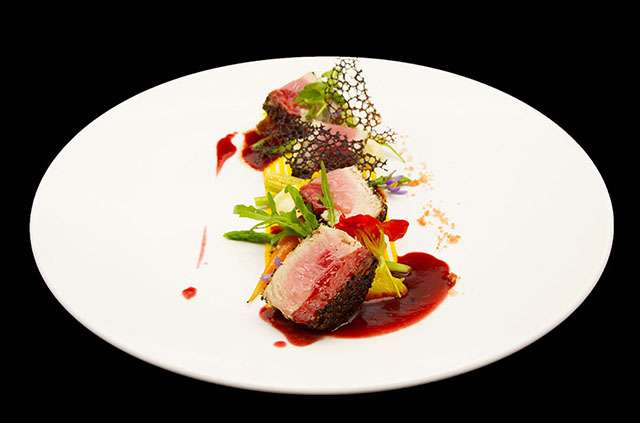
The presence of fish sauce is not always obvious. In a tuna steak, it may be integrated into a glaze with ginger or a French-inspired pan sauce. In mushroom soup, it may sit quietly beneath the earthy flavour, adding depth without creating a recognisably fishy taste.
Seasonal menus offer another opportunity to reinterpret the ingredient. Duong Restaurant Saigon’s approach to Vietnamese celebrations can be explored through its guide to festival special menus, where familiar flavours can be presented with a more contemporary sense of occasion.
For Australian visitors, this seasonal connection can make the meal feel more meaningful. Lunar New Year menus, for example, may be especially appealing to diners in communities across Melbourne, Sydney and Perth who are accustomed to food being closely tied to family gatherings and cultural celebrations.
A Simple Tasting Guide For Diners
- Notice whether the savoury flavour arrives at the beginning or lingers after each bite.
- Look for lime, vinegar or herbs that balance the saltiness.
- Compare the seasoning in a broth with the sharper profile of a salad dressing.
- Taste the main ingredient before adding extra dipping sauce.
- Pair bold dishes with water or a clean, lightly flavoured drink.
Why Technique Matters More Than Quantity
The quality of fish sauce matters, but technique matters just as much. Fermentation creates different levels of aroma and salinity, so a chef must understand how a particular bottle behaves when mixed with stock, citrus, sugar or other seasonings.
Overuse can flatten a dish and leave the palate tired. Careful use creates a longer, more complex finish. This is where the ingredient moves from being a condiment to becoming part of the dish’s architecture.
Duong Restaurant Saigon’s latest restaurant news can help diners keep track of seasonal developments, menu updates and occasions that may influence the evening’s offerings. Checking current information is useful when planning a special meal in District 1, particularly during busy holiday periods.
The restaurant’s cozy setting also gives these details room to stand out. Rather than relying on a single strong flavour, the menu can lead diners through gentle contrasts: fragrant herbs, savoury broth, fresh seafood, tender meat and sauces with a carefully controlled finish.
Reserve a table at Duong Restaurant Saigon to experience how fish sauce can shape modern Vietnamese cuisine through balance, texture and technique. A chef-led meal on Dong Du Street offers Australian travellers a thoughtful way to discover familiar flavours in a refined Ho Chi Minh City setting.