French Technique, Vietnamese Soul at Duong Restaurant Saigon
Vietnamese cuisine is built on freshness, contrast, and clarity. Herbs bring lift, fish sauce adds depth, and rice, noodles, seafood, and vegetables create a natural range of textures. At Duong Restaurant Saigon on Dong Du Street, these familiar foundations meet the precision of French culinary practice.
The result is a style of cooking that feels refined without losing its local identity. French influence appears through preparation, timing, sauces, and presentation, while Vietnamese ingredients remain central to the flavor of each dish.
For diners exploring District 1, this approach offers more than a fusion label. It creates a thoughtful way to experience Vietnamese-inspired food in a cozy fine-dining setting, with the chef’s methods guiding ingredients that already carry a strong sense of place.
Respecting Ingredients Through Precise Preparation
French cooking places considerable attention on mise en place, the organized preparation of ingredients before service begins. At Duong, this philosophy supports the natural character of Vietnamese produce. Herbs can be washed and picked at the right moment, seafood handled carefully, and vegetables cut consistently so they cook evenly.
This discipline matters in dishes such as salads, seafood preparations, and rice noodle beef rolls. A clean cut or carefully timed cooking process can preserve crunch, tenderness, and aroma. The technique remains subtle, allowing diners to recognize the freshness of the ingredients rather than focusing only on the method.
Vietnamese cuisine often depends on a lively balance between soft and crisp, warm and cool, rich and bright. French kitchen organization helps maintain those contrasts from the first preparation to the final plate.
Building Depth With Stocks And Sauces
One of the clearest French contributions to modern restaurant cooking is the careful development of sauces and stocks. Long, controlled cooking can draw flavor from bones, shells, vegetables, and aromatics, creating a deeper base without making the dish heavy.
That approach works naturally with Vietnamese flavor-building. Fish sauce, ginger, garlic, lemongrass, chili, herbs, and citrus already provide complexity. A chef can use a reduced stock or a concentrated sauce to give those ingredients structure, then adjust the final seasoning for freshness and balance.
The goal is not to cover a Vietnamese ingredient with a rich French sauce. Instead, technique can amplify the ingredient’s own character. A seafood dish may gain a more polished finish, while a beef preparation can become more aromatic and focused without losing its savory local profile.
Searing, Roasting, And Controlled Heat
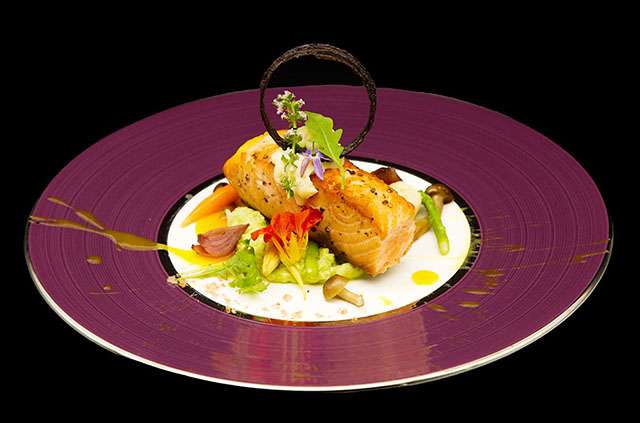
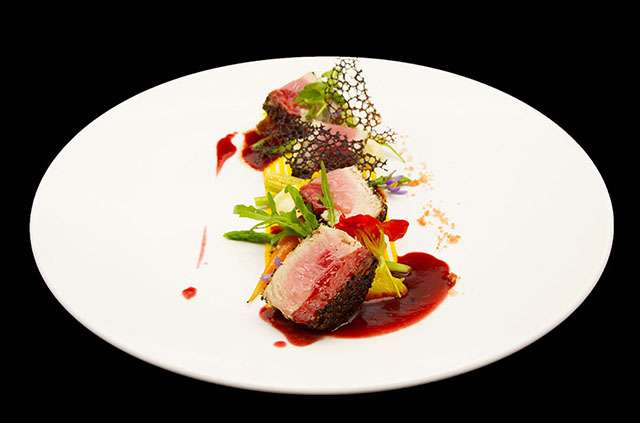
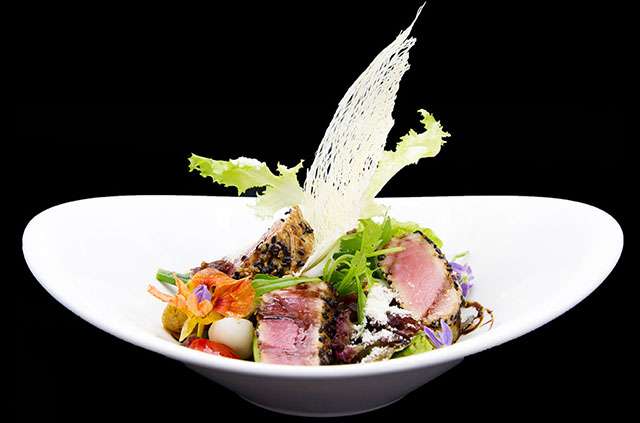
French culinary technique also appears in the handling of heat. Searing tuna steak, for example, requires a hot surface, a short cooking time, and careful attention to the center. The exterior develops color and aroma while the interior remains tender, preserving the clean taste of the fish.
This contrast is especially compatible with Vietnamese cooking, where texture is often as important as seasoning. A crisp exterior beside a soft center, or a warm protein served with cool herbs and salad, creates a more dynamic bite.
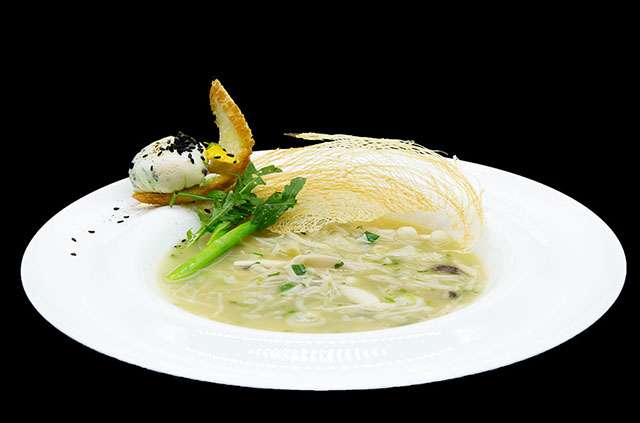
Mushroom soup offers another opportunity for control. Gentle cooking can preserve earthy aroma, while blending and straining create a smooth texture. The soup may feel French in its refinement, yet its flavor can remain connected to the ingredients and seasoning traditions of Vietnam.
From Market Flavors To Fine-Dining Presentation
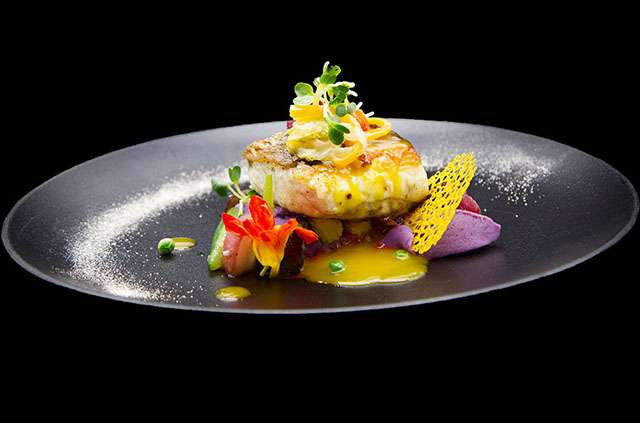
Presentation is another area where French influence becomes visible. Rather than placing every component together without distinction, the kitchen can arrange each element with purpose. Sauce, garnish, protein, and vegetables are positioned to create visual balance and guide the order in which flavors are experienced.
This does not mean turning Vietnamese food into something unfamiliar. Rice noodle beef rolls still depend on the relationship between beef, noodles, herbs, and accompanying flavors. The story behind the beef rolls gives added context to a dish that connects culinary technique with the restaurant’s identity.
A composed plate also supports portion control and pacing. Each bite can contain a considered combination of texture, acidity, saltiness, and aroma, making the meal feel elegant while retaining the generous spirit associated with Vietnamese dining.
| Culinary Element |
Vietnamese Foundation |
French Technique |
Dining Effect |
| Beef rolls |
Beef, rice noodles, herbs, local seasoning |
Precise preparation and composed plating |
Balanced texture and a polished presentation |
| Seafood |
Fresh fish or shellfish, aromatics, herbs |
Careful searing, roasting, or sauce work |
Tender protein with concentrated flavor |
| Tuna steak |
Fresh tuna and bright accompaniments |
High-heat searing and temperature control |
Crisp exterior with a delicate center |
| Mushroom soup |
Earthy mushrooms and aromatic seasoning |
Slow cooking, blending, and refinement |
Smooth texture with layered depth |
| Salads |
Fresh vegetables, herbs, and balanced dressing |
Exact cutting and measured seasoning |
Crisp, clean, and visually composed bites |
Balancing Richness With Vietnamese Brightness
French cooking is sometimes associated with butter, cream, and rich sauces, but its broader value is precision. At Duong, French-inspired methods can be used alongside Vietnamese brightness, keeping dishes lively through herbs, citrus, pickled notes, and aromatic vegetables.
This balance is important in a multi-course meal. A rich or deeply savory dish can be followed by a fresh salad, while a delicate seafood course may be supported by a sauce with enough acidity to sharpen the palate. Each plate has a role in the overall rhythm of the dining experience.
The setting also contributes to that rhythm. A cozy restaurant atmosphere allows guests to slow down, notice details, and enjoy the progression from appetizer to main course. Visitors planning an evening in District 1 can combine dinner with nearby cultural stops, including the Mariamman Hindu Temple.
What Diners Can Notice On The Plate
Guests do not need professional culinary training to recognize the meeting of Vietnamese ingredients and French technique. A few simple observations can make the experience more engaging:
- Look for contrast between crisp, tender, creamy, and fresh elements.
- Notice whether a sauce supports the main ingredient or overwhelms it.
- Pay attention to herbs, citrus, and pickled flavors that refresh richer bites.
- Observe how the plate separates its components while keeping them connected.
- Taste the dish in different combinations to discover its intended balance.
These details reveal why fusion cooking works best when it is guided by restraint. The purpose of technique is to clarify flavor, not to create complexity for its own sake. At Duong, the dining experience is shaped by the meeting of careful execution, Vietnamese culinary memory, and contemporary presentation.
For travelers, understanding the city can deepen that experience. Before visiting the restaurant, practical Saigon travel tips can help with planning transport, timing, and an evening around Dong Du Street.
Reserve a table at Duong Restaurant Saigon to experience how French precision can bring out the depth, freshness, and character of Vietnamese-inspired cuisine in the heart of Ho Chi Minh City.