The Role of Fresh Ginger in Duong Restaurant Saigon’s Cooking
Fresh ginger brings a lively combination of warmth, citrus-like fragrance, and gentle heat to Vietnamese cuisine. At Duong Restaurant Saigon, this aromatic root fits naturally into a chef-led menu shaped by local ingredients, refined presentation, and French-inspired technique.
Its value goes beyond seasoning. Ginger can brighten seafood, deepen broths, refresh salads, and give meat or noodle dishes a more defined finish. Used carefully, it creates balance rather than dominating the other flavors on the plate.
For diners exploring District 1, ginger also offers a direct connection to the everyday character of Ho Chi Minh City cooking. The ingredient appears in home kitchens, market stalls, traditional soups, dipping sauces, and contemporary restaurant dishes, making it a small but expressive part of the city’s food culture.
A Bright Aromatic Foundation
Fresh ginger has a different personality from dried ginger or prepared paste. When sliced, crushed, julienned, or grated, it releases fragrant oils that can be noticed immediately. Its flavor is clean and vivid, with peppery warmth that fades into a mildly sweet finish.
This freshness is particularly useful in Vietnamese-inspired cooking, where herbs, lime, fish sauce, vegetables, and broth must remain distinct. A measured amount of ginger can sharpen those flavors while adding depth. It may also soften richer ingredients by giving the palate a more energetic point of contrast.
The preparation method changes the result. Thin slices release a gentle perfume during simmering, while finely minced ginger creates a stronger presence in sauces and marinades. Grated ginger spreads quickly through a dish, making it useful when a smooth, integrated flavor is preferred.
From Market Root To Restaurant Kitchen
Choosing good ginger begins with its appearance and aroma. A firm root with smooth skin, a fresh scent, and dense texture generally provides more fragrance than a dry or fibrous piece. In a professional kitchen, careful preparation helps preserve the root’s natural oils and prevents unnecessary bitterness.
Ginger can be added at several stages of cooking. Early additions contribute warmth to stock and soup, while later additions retain a sharper, greener fragrance. This timing gives chefs control over whether ginger should sit quietly in the background or become part of the dish’s main aromatic profile.
The ingredient also works well with traditional Vietnamese combinations. Garlic, shallot, chili, lime, coriander, and fish sauce each emphasize a different side of ginger. Together, they can create a layered seasoning that feels complex without becoming heavy.
Balancing Vietnamese And French Ideas
Fusion cooking depends on proportion. French culinary traditions often emphasize stocks, reductions, butter, cream, and precise sauces, while Vietnamese food frequently highlights herbs, acidity, fresh vegetables, and aromatic roots. Ginger can act as a bridge between these approaches.
In a light sauce, its warmth can prevent richness from feeling flat. In a clear broth, it can add complexity without making the liquid dense. With seafood, ginger’s fresh heat can enhance natural sweetness and reduce any overly oily impression, especially when paired with citrus or herbs.
This balance is important for dishes such as seafood preparations, tuna steak, mushroom soup, and Vietnamese-style noodle creations. Ginger does not need to be the most noticeable ingredient to be influential. Its role may be to make the surrounding flavors taste clearer, more polished, and more connected.
| Preparation |
Main Flavor Effect |
Suitable Culinary Use |
| Thinly sliced |
Soft warmth and fragrance |
Broths, soups, and poaching liquids |
| Finely minced |
Direct, lively heat |
Dipping sauces, marinades, and dressings |
| Grated |
Fast, even distribution |
Seafood sauces and vegetable dishes |
| Lightly crushed |
Rounded aromatic depth |
Stocks and slow-cooked preparations |
| Pickled |
Bright acidity with spice |
Garnishes and palate-refreshing accompaniments |
Ginger Across The Menu
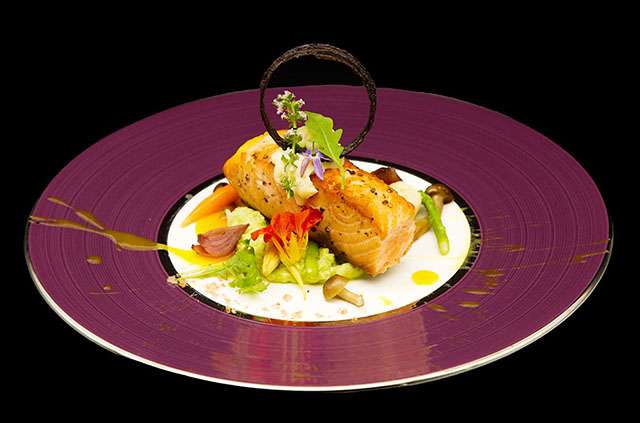
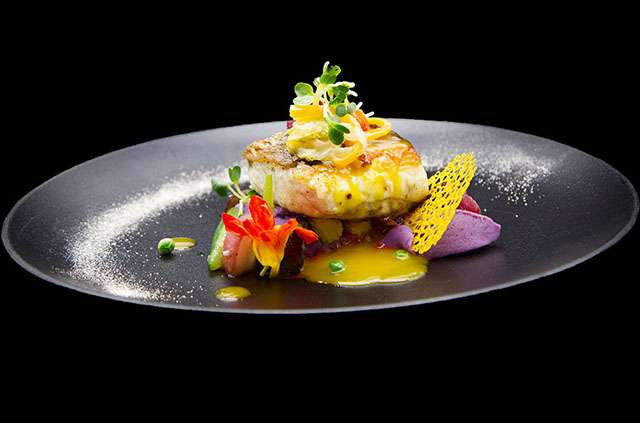
With seafood, ginger can emphasize sweetness while adding a clean aromatic lift. It pairs naturally with lime, herbs, chili, and mild sauces, giving delicate fish or shellfish a more distinct character. The goal is usually clarity: the seasoning should support the ingredient rather than conceal it.
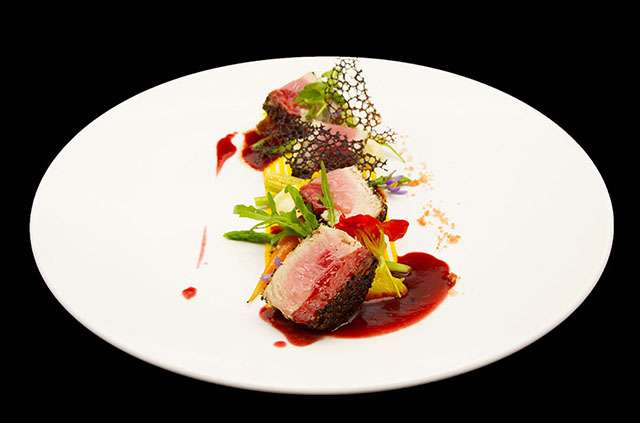
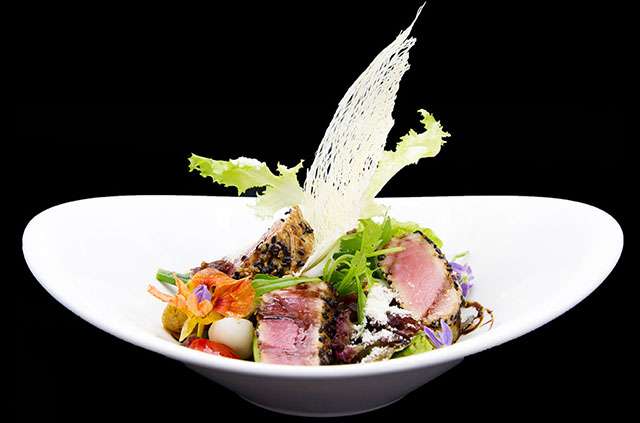
A tuna steak offers another useful contrast. A ginger-based dressing or sauce can add freshness to the richness of the fish, particularly when balanced with acidity and a small amount of savory seasoning. The same principle applies to rice noodle beef rolls, where ginger can bring brightness to tender beef, herbs, and dipping sauce.
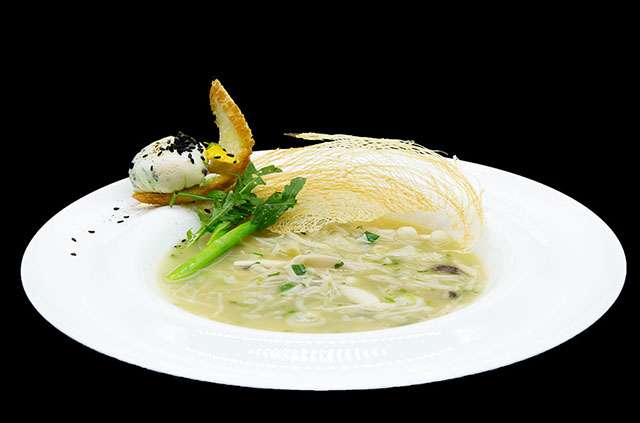
Vegetarian dishes benefit from the root as well. In mushroom soup, ginger can provide an upper layer of fragrance above earthy flavors. In salads, a small amount in the dressing can create a crisp, warming note that complements fresh vegetables without overwhelming their texture.
For diners interested in the broader food culture surrounding the restaurant, Duong’s guide to Saigon street eats offers useful context. Many casual local dishes demonstrate the same principle: fresh aromatics are used with restraint to make simple ingredients more expressive.
Why Freshness Matters At The Table
The appeal of fresh ginger is especially noticeable when a dish arrives hot and aromatic. Steam carries its fragrance before the first bite, while the flavor develops gradually as it meets broth, sauce, herbs, or protein. This creates a sensory experience that begins before tasting.
Freshly prepared ginger also gives a more natural texture. A fine mince may add tiny bursts of flavor, while a strained infusion leaves only fragrance and warmth. These choices allow a chef to shape the diner’s experience with precision, from a subtle background note to a bright finishing accent.
In a cozy fine-dining setting, such details contribute to the sense of care behind the menu. Ginger may be an everyday ingredient, but its handling reflects broader standards of freshness, timing, and balance. It helps connect familiar Vietnamese flavors with a more composed restaurant presentation.
Ways To Appreciate Ginger-Inspired Dishes
When dining at Duong Restaurant Saigon, these habits can help reveal the ingredient’s role:
- Smell the dish before mixing sauces or garnishes, since ginger’s fragrance may be clearest while the food is still hot.
- Taste the main ingredient first, then notice how ginger changes its sweetness, richness, or finish.
- Pair ginger-seasoned seafood with a fresh, acidic accompaniment to highlight its clean aromatic character.
- Try mushroom or vegetable dishes slowly, allowing the earthy flavors and ginger’s warmth to develop together.
- Ask the service team about the preparation when a sauce or broth has a particularly distinctive fragrance.
A meal in District 1 can also be part of a wider cultural itinerary. Visitors exploring the city may choose to pair dinner with a visit to the War Remnants Museum, then return to a comfortable dining room for a more reflective evening meal. Food, place, and history often become more meaningful when experienced together.
Fresh ginger shows how a modest ingredient can influence an entire menu. It adds fragrance to broth, energy to sauces, balance to rich dishes, and a distinctly Vietnamese note to modern culinary combinations. At Duong Restaurant Saigon, that versatility makes it a natural expression of the restaurant’s approach to thoughtful, ingredient-led cooking.
Reserve a table on Dong Du Street to experience Vietnamese and French-inspired flavors where fresh aromatics, careful technique, and attentive service come together in the heart of Ho Chi Minh City.