The Science of Balancing Flavors at Duong Restaurant Saigon
Flavor balance is one of the quiet disciplines behind an exceptional meal. It depends on how sweetness, acidity, saltiness, bitterness, umami, aroma, temperature, and texture interact on the palate. At Duong Restaurant Saigon, this balance shapes a Vietnamese and French fusion experience that feels refined while remaining connected to familiar local ingredients.
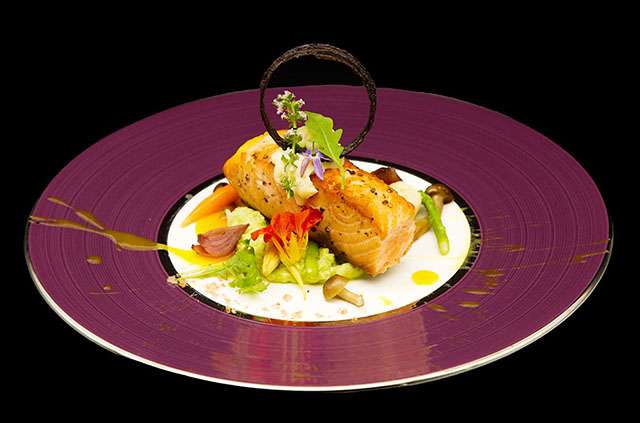
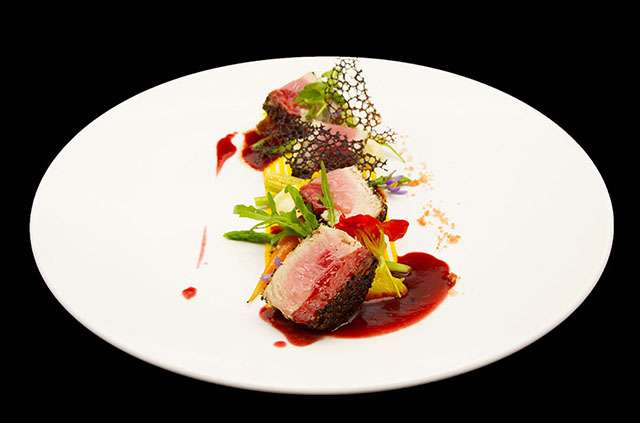
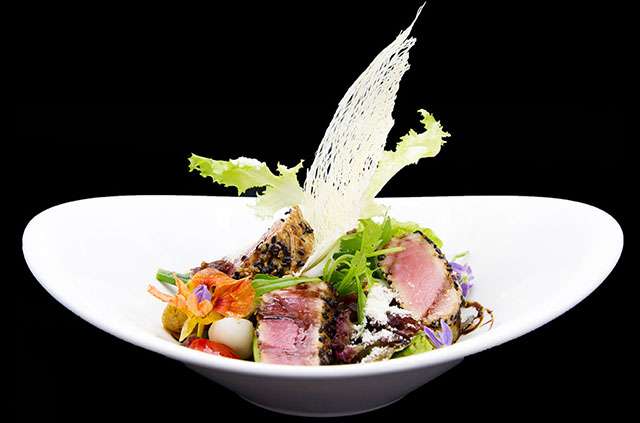
Located on Dong Du Street in District 1, the restaurant brings chef-led cooking into a cozy fine-dining setting. Its menu may include rice noodle beef rolls, seafood, tuna steak, mushroom soup, salads, and other Vietnamese-inspired dishes, yet each plate is designed as part of a broader sensory composition.
Understanding these principles can make a visit more rewarding. Instead of tasting each ingredient separately, diners can notice the way a sharp dressing lifts greens, how herbs refresh a rich sauce, or how a warm broth creates depth beneath delicate toppings.
Flavor Balance Begins With Contrast
A balanced dish does not mean that every flavor is equally strong. The aim is harmony, with one or two leading notes supported by quieter elements. A savory tuna steak, for example, may need acidity or fresh herbs to prevent its richness from becoming heavy. A crisp salad can provide the same contrast beside a more intense entrée.
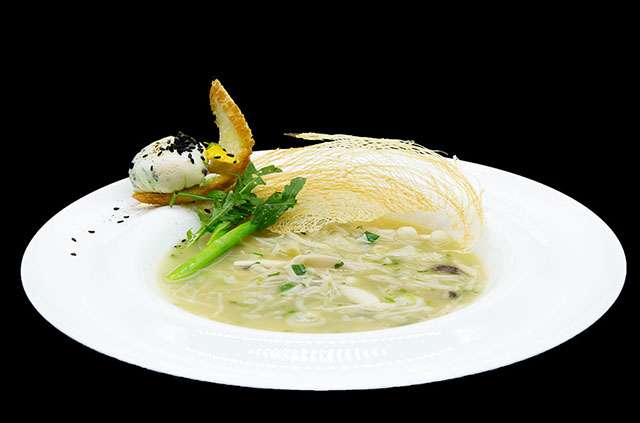
Texture also affects how flavor is perceived. A soft mushroom soup feels fuller when paired with a crunchy garnish, while tender beef rolls gain energy from fresh herbs, vegetables, and the springy bite of rice noodles. These differences give the palate a sequence of sensations rather than a single, flat impression.
Vietnamese cooking often achieves this effect through balance between sweet, sour, salty, spicy, and aromatic components. French technique contributes careful reductions, controlled heat, elegant plating, and attention to mouthfeel. The combination creates dishes that are expressive without becoming overwhelming.
Vietnamese Ingredients With French Precision
Vietnamese cuisine has a natural vocabulary of contrast. Lime, herbs, fish sauce, chili, pickled vegetables, and fragrant greens can transform a rich or savory base. These ingredients add brightness and length, allowing a dish to remain lively from the first bite to the last.
French culinary methods offer another layer of control. Stocks and sauces build concentrated umami, while sautéing, roasting, and gentle poaching bring out different aromas. At a fusion restaurant, the goal is not to disguise Vietnamese ingredients but to frame them with technique and proportion.
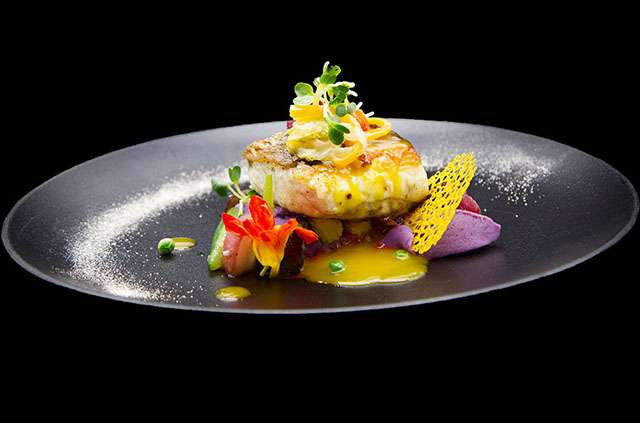
This approach can be especially effective with seafood. Fresh shellfish or fish benefits from a restrained sauce, a subtle acidic note, and a garnish that adds fragrance without masking the ingredient. The result reflects both the freshness valued in Vietnamese cooking and the composed presentation associated with French dining.
The Ingredients That Carry The Balance
Every component has a role. Salt awakens flavor, acidity creates definition, sweetness softens sharp edges, and umami gives a dish depth. Bitterness, often found in greens or toasted elements, can add sophistication when carefully controlled. Aromatic herbs then connect these sensations and leave a clean finish.
A chef also considers when each flavor appears. A sauce may begin with savory depth, reveal a gentle sweetness in the middle, and finish with lime, herbs, or spice. This progression is why a thoughtfully prepared dish can seem more complex as it is eaten.
| Flavor Element |
Main Function |
Possible Expression At The Restaurant |
| Acidity |
Adds brightness and cuts richness |
Lime, citrus dressing, or pickled vegetables |
| Umami |
Builds depth and savoriness |
Mushroom broth, seafood stock, or fermented seasoning |
| Freshness |
Lightens the palate |
Herbs, greens, and crisp vegetables |
| Sweetness |
Rounds sharp or salty notes |
Glazes, caramelized ingredients, or natural sweetness |
| Texture |
Creates contrast and rhythm |
Tender beef, crisp garnish, and springy rice noodles |
This structure helps explain why a menu can move comfortably between soup, salad, seafood, and grilled or seared dishes. Each course can offer a different point of balance while still belonging to the same dining experience.
A Menu Designed For Discovery
Guests who are exploring local cuisine can use the menu as a guided tasting of Ho Chi Minh City’s flavor traditions. The restaurant’s selection offers a polished way to encounter Vietnamese ingredients, especially for travelers who want familiar techniques presented with a regional character. For broader inspiration before dining, what to eat in HCMC provides useful context about the city’s food culture.
A meal might begin with a salad or light starter, move toward seafood or a tuna steak, and include a soup that adds warmth and savory depth. Rice noodle beef rolls can introduce fresh herbs and contrasting textures, while a mushroom-based dish may emphasize earthiness and umami.
The best choice depends on the desired rhythm of the meal. Diners seeking brightness can focus on herbs, greens, and seafood. Those who prefer deeper flavors may enjoy mushrooms, beef, or carefully developed sauces. Sharing several dishes makes the balance easier to appreciate because each course resets the palate for the next.
The Dining Room As Part Of The Experience
Flavor perception is influenced by more than ingredients. Lighting, pacing, sound, plating, and service all affect how a meal feels. Duong Restaurant Saigon’s cozy atmosphere supports a slower style of dining, giving guests time to notice the progression from one dish to another.
Fine dining service also helps preserve balance through timing. A hot soup should arrive at the right moment, a seared dish should be enjoyed while its texture is at its best, and sauces should complement rather than overwhelm the plate. Attentive service allows the kitchen’s decisions to remain clear.
For visitors planning an evening in District 1, the restaurant can also become part of a wider food-focused itinerary. Its location on Dong Du Street makes it convenient to combine dinner with an exploration of nearby attractions, cafés, and city sights. A District 1 dining guide can help place the meal within that neighborhood experience.
Ways To Taste With Greater Attention
A little mindfulness can reveal the structure behind each dish. Rather than rushing through a plate, notice its aroma first, then identify the leading flavor and the elements that create contrast. Pay attention to how the sauce changes the ingredient and how the finish lingers after swallowing.
These simple habits can make a fusion menu easier to understand:
- Taste the main ingredient before adding sauce or garnish.
- Look for the relationship between acidity and richness.
- Notice how herbs change the aroma and finish.
- Compare soft, crisp, tender, and springy textures.
- Pair courses so that intense flavors alternate with refreshing ones.
For a special occasion, advance planning allows the evening to unfold at a comfortable pace. Reviewing the menu, noting dietary preferences, and arranging the timing in advance can help the restaurant create a more seamless experience. Guests can use this guide on making a special-occasion reservation when organizing an important dinner.
Visit Duong Restaurant Saigon on Dong Du Street to experience how Vietnamese ingredients, French technique, and thoughtful flavor composition come together in one refined meal. Reserve a table and give each course time to reveal its balance, texture, and character.