The story behind Duong Restaurant Saigon’s table settings
A table can reveal a great deal before the first dish arrives. At Duong Restaurant Saigon on Dong Du Street, the arrangement is part of the dining experience: composed enough for fine dining, yet warm enough to reflect the generosity of Vietnamese hospitality.
For Australian visitors, the setting offers a thoughtful contrast to the relaxed café culture found in Melbourne, Sydney and Brisbane. It feels considered without becoming formal for formality’s sake, creating a comfortable stage for Vietnamese-inspired food, French technique and the social pleasure of sharing a meal in Ho Chi Minh City.
First impressions on Dong Du Street
Duong’s table settings begin with the character of District 1. Dong Du Street is close to hotels, galleries, boutiques and major city landmarks, so the restaurant welcomes a mix of travellers, business diners and local guests. The setting needs to suit an early dinner after sightseeing as easily as a slower evening meal.
That balance is reflected in the visual language of the table. Clean lines and carefully placed crockery suggest precision, while the overall atmosphere remains cosy rather than imposing. Australian diners familiar with relaxed neighbourhood restaurants can settle in comfortably, while those seeking a special occasion meal still receive a sense of occasion.
Vietnamese hospitality at the centre
In Vietnam, hospitality is often expressed through attentiveness, generosity and the way food brings people together. A table is not simply a surface for plates; it is the meeting point for conversation, sharing and discovery. Duong’s arrangement supports that spirit by leaving room for dishes to arrive, be admired and enjoyed at an unhurried pace.
This is especially important for a menu influenced by Vietnamese flavours. Rice noodle beef rolls, seafood, salads and other dishes can carry different textures, aromas and garnishes. A well-planned place setting allows the food to remain the focus while giving diners the practical space needed to share observations and reach the next course.
French structure meets Saigon ease
French dining traditions often place emphasis on order: the position of cutlery, the sequence of courses and the visual rhythm of the table. That influence suits Duong’s chef-led approach, where presentation and service are treated as part of the meal rather than afterthoughts.
The Vietnamese element brings a more flexible sense of enjoyment. The meal may move between individual tasting and shared appreciation, and the setting must accommodate both. This fusion is subtle: the table feels polished, but it does not ask guests to behave as though they are attending a ceremony.
What each place setting is designed to do
The story behind Duong Restaurant Saigon’s table settings is best understood through the relationship between appearance and function. Every element should help diners read the meal, enjoy the service and feel at ease in the room.
| Setting element |
Practical role |
Dining impression |
| Neatly aligned cutlery |
Supports a smooth course sequence |
Signals care and precision |
| Clear space around the plate |
Allows dishes and shared plates to arrive comfortably |
Keeps presentation uncluttered |
| Balanced crockery |
Frames colour, texture and sauces |
Highlights Vietnamese-inspired cooking |
| Comfortable spacing |
Makes conversation and sharing easier |
Creates a relaxed fine-dining mood |
| Understated décor |
Complements rather than competes with food |
Connects the table to the cosy room |
For guests used to Australian dining customs, the arrangement may feel familiar while still offering a distinctly Saigon interpretation. It has the neatness expected at a refined restaurant, without losing the informal warmth found in a good Sydney wine bar or a Melbourne neighbourhood bistro.
From solo seat to shared table
A carefully arranged setting also matters when one person is dining alone. The table should feel complete rather than as though a place has been removed. Thoughtful spacing, attentive service and a welcoming atmosphere can make a solo meal feel intentional, particularly for travellers exploring Ho Chi Minh City independently.
Duong’s guide to solo dining tips reflects this idea. A guest can take time with the menu, notice the room and enjoy each course without feeling rushed. That can be a welcome change for Australians accustomed to quick weekday lunches between work commitments or an early table turnover in busy city restaurants.
Details that support a chef-led menu
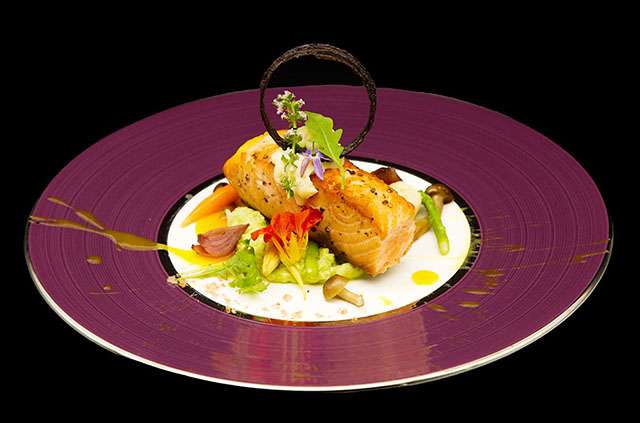
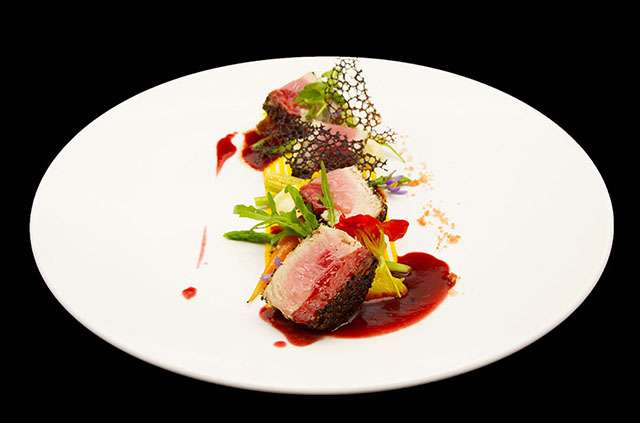
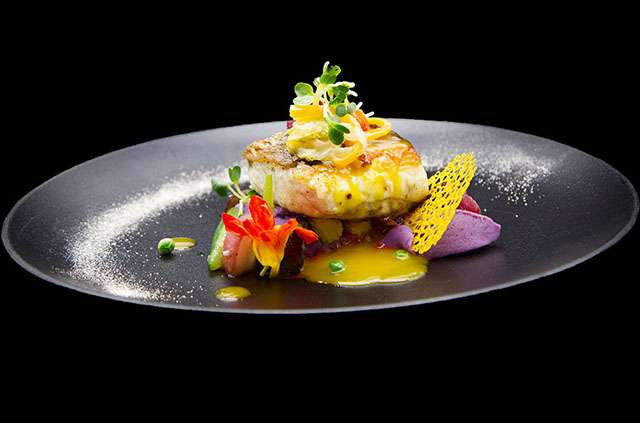
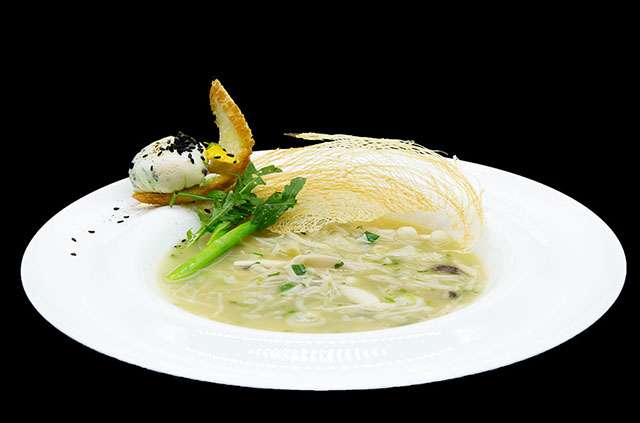
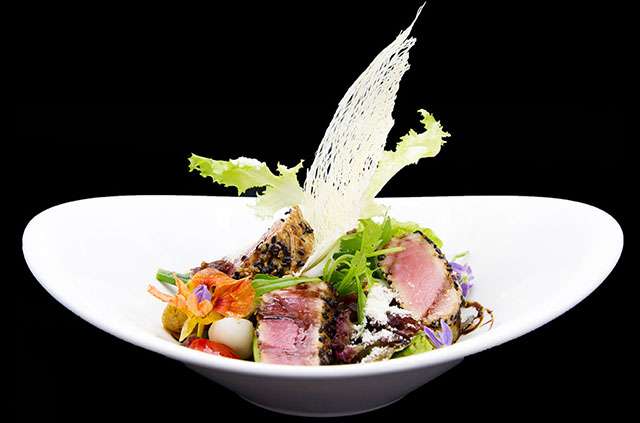
The table is also designed around the rhythm of the menu. A light opening dish, such as a salad or appetiser, needs room to establish flavour before richer dishes arrive. Seafood and tuna steak benefit from clean presentation, while mushroom soup creates a different sensory moment through warmth and aroma.
This is why the setting should feel restrained. Too many decorative details would compete with the plate; too little structure would make the meal feel casual. Duong’s best appetisers offer a useful way to understand that progression, showing how the first dishes prepare the palate and set the tone for the courses that follow.
Why setting changes how Saigon tastes
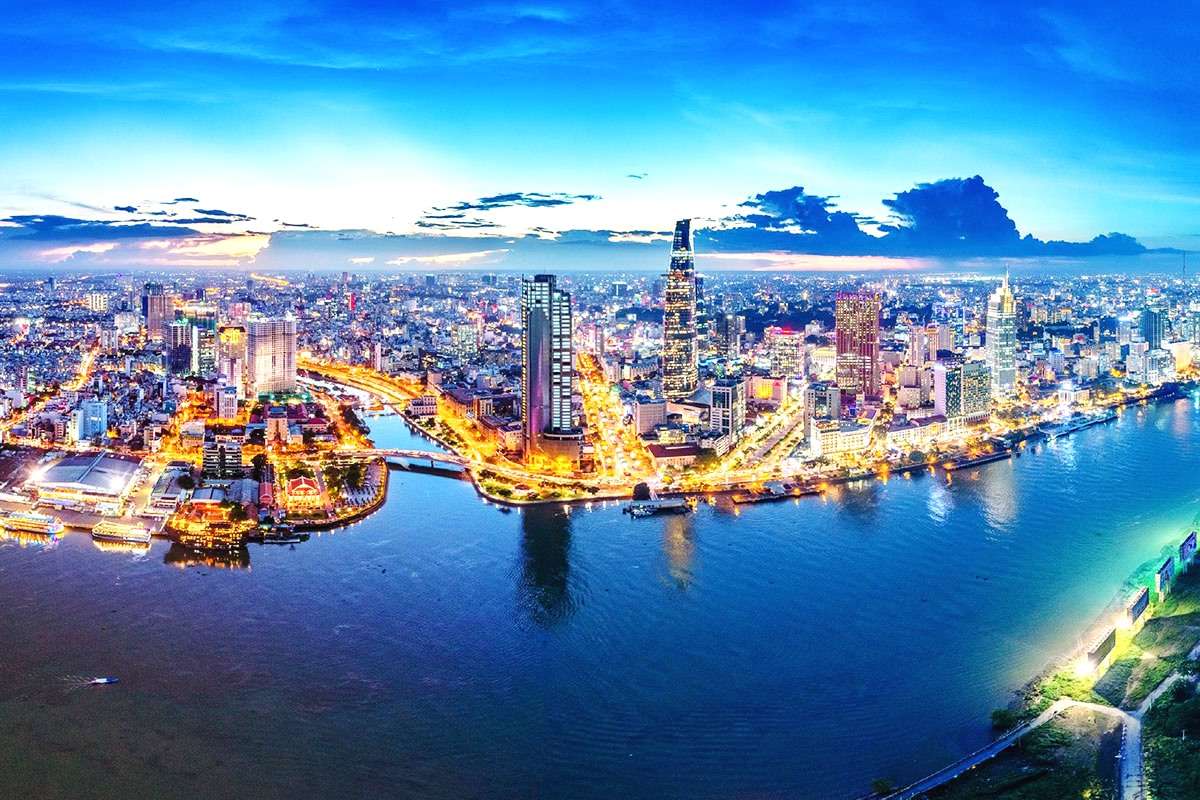
Dining in Ho Chi Minh City is an experience of contrasts: scooters moving through busy streets, quiet interiors behind narrow entrances, modern dining rooms beside historic architecture. A considered table setting helps create a pause between the energy outside and the concentration of the meal inside.
At Duong, the design supports a Vietnamese and French fusion identity without turning the restaurant into a theatrical backdrop. The crockery, cutlery, spacing and service work together to make the food feel important while keeping the guest comfortable. For Australian visitors, it offers a polished alternative to the familiar pub meal, beachside café or shared-plate restaurant, while still preserving the easy pleasure of eating well with others.
The wider Duong Restaurant Saigon experience brings together the menu, room, service and location. The table setting is one part of that story, but it is an influential one: before the first bite, it tells guests that the evening will be carefully guided, warmly hosted and rooted in Saigon.
For a meal that combines Vietnamese character with French-inspired refinement, reserve a table at Duong Restaurant Saigon and take time to notice how the setting shapes every course.