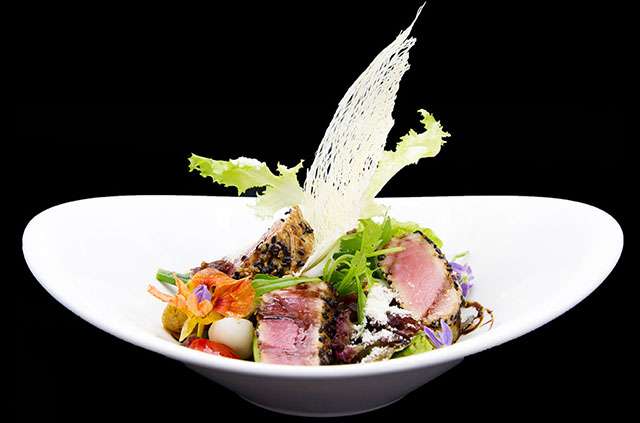
The Texture of Fusion: Crispy, Creamy, and Fresh at Duong Restaurant Saigon
Texture is one of the quiet pleasures of a memorable meal. Before a sauce reveals its depth or a spice finishes on the palate, the first impression often comes from the contrast between a crisp edge, a smooth center, or the clean bite of fresh produce. At Duong Restaurant Saigon, these details help Vietnamese and French influences meet naturally on the plate.
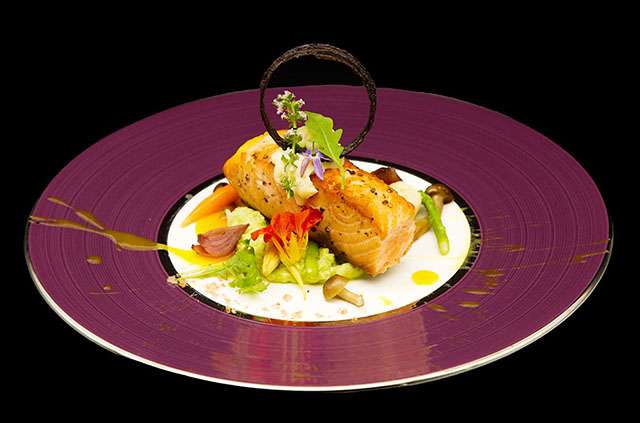
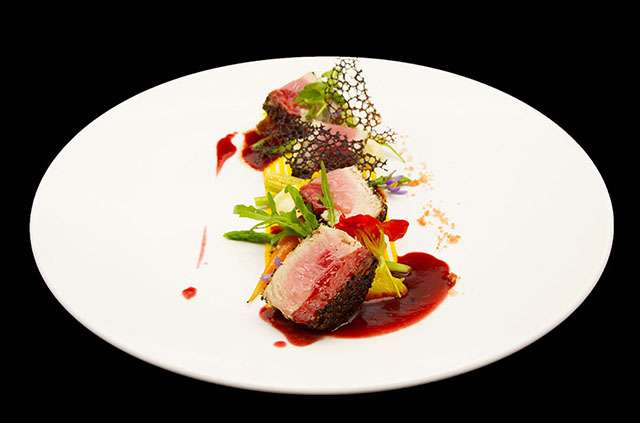
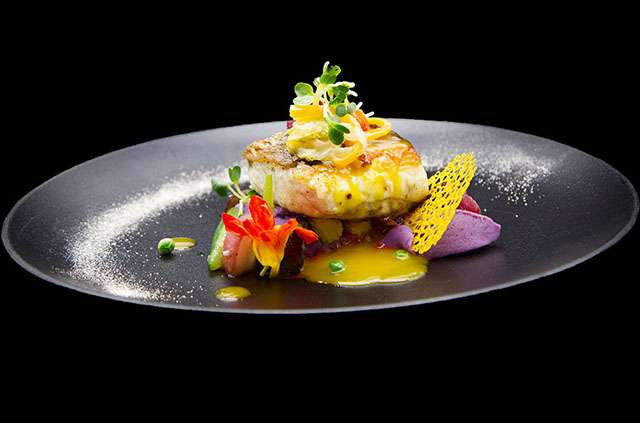
Located on Dong Du Street in District 1, Ho Chi Minh City, the restaurant presents a chef-led dining experience shaped by Vietnamese ingredients and modern culinary technique. Its menu includes seafood, tuna steak, mushroom soup, salads, rice noodle beef rolls, and other dishes that make room for varied textures.
This balance gives the meal a sense of movement. A light salad can prepare the palate for a richer course, while a delicate noodle roll may gain character from herbs, vegetables, and a contrasting accompaniment. The result is food that feels polished without losing its local identity.
How Texture Shapes A Fusion Dish
Fusion cuisine works best when its influences are connected by a clear idea. At Duong Restaurant Saigon, texture can serve as that connection. French-inspired smoothness may appear in a velvety soup or carefully prepared sauce, while Vietnamese cooking contributes fresh herbs, crisp vegetables, rice noodles, and bright seasoning.
The contrast is especially appealing because it keeps each mouthful dynamic. A creamy element can soften a dish, but a fresh garnish or crisp component prevents it from becoming heavy. Likewise, a fried or seared surface can add depth while a clean, aromatic side brings the plate back into balance.
Crisp Details With Vietnamese Character
Crispness does more than provide sound and texture. It creates a sense of freshness and highlights the natural juiciness of ingredients. In a dish such as rice noodle beef rolls, the soft rice noodle wrapper and tender filling can be complemented by herbs or vegetables that add a sharper, livelier bite.
Seafood and salads also benefit from this approach. Fresh vegetables, lightly dressed leaves, and carefully cooked seafood create a layered experience in which no single component overwhelms the others. The crisp elements act as punctuation, giving richer flavors a cleaner finish.
The best crisp textures are purposeful rather than excessive. They should support the main ingredient, whether that is beef, seafood, or a seasonal vegetable. This restraint reflects the restaurant’s fine-dining setting, where presentation and mouthfeel are considered together.
Creamy Comfort Balanced By Bright Flavors
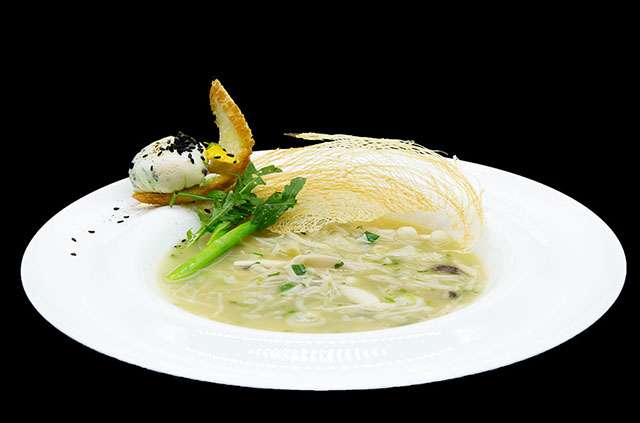
Creamy textures bring warmth and comfort to a menu. Mushroom soup is a natural example: its smooth consistency can carry earthy, savory notes while offering a gentle beginning to the meal. A carefully balanced soup should feel full-bodied without masking the subtle character of its ingredients.
French culinary traditions often value this kind of refinement, but the dish can still feel connected to Saigon through seasoning and freshness. Herbs, aromatics, or a light garnish can give a rich preparation a more lifted profile. The contrast between silky liquid and fresh finishing notes makes each spoonful more expressive.
| Texture |
Typical impression |
Best balancing element |
| Crispy |
Light, lively, and stimulating |
Fresh herbs, salad, or tender filling |
| Creamy |
Smooth, rich, and comforting |
Bright seasoning or aromatic garnish |
| Fresh |
Clean, vibrant, and refreshing |
Savory sauces or warm cooked ingredients |
| Tender |
Delicate and satisfying |
Crisp vegetables or textured toppings |
A Menu Built Around Contrast
A well-planned meal can move from freshness to richness and back again. A salad or seafood starter may open with clean flavors, followed by a tuna steak that brings a firmer, more substantial texture. Mushroom soup can add a soft and savory pause, while rice noodle beef rolls introduce a combination of tenderness, chew, and herbaceous freshness.
Guests who want to explore the restaurant’s range can browse the à la carte menu before dining. This makes it easier to consider how individual dishes might work together, especially when sharing several plates and building a progression of textures.
The menu’s Vietnamese inspiration remains important throughout that progression. Rice noodles, herbs, seafood, vegetables, and familiar savory flavors provide a recognizable foundation, while French techniques contribute finesse. That balance is what makes the experience feel like a considered fusion rather than a random mixture of influences.
The Dining Room As Part Of The Experience
Texture is also connected to the atmosphere around the food. A cozy dining room allows guests to slow down and notice the details of a dish, from the first crisp bite to the final traces of sauce. At Duong Restaurant Saigon, attentive service and a fine-dining approach support this unhurried rhythm.
The Dong Du Street location places the restaurant within the energy of District 1, yet the dining experience can provide a more composed setting away from the pace of the city. This makes it suitable for a relaxed dinner, a special occasion, or an evening centered on discovering Vietnamese-inspired cuisine.
Presentation plays a role as well. When crisp, creamy, fresh, and tender elements are arranged with care, the plate becomes easier to read. Guests can see how the components relate before tasting them, which adds anticipation to the meal.
Ways To Experience The Texture
A little planning can help diners appreciate the progression from light to rich and back to fresh. Consider these simple choices:
- Begin with a salad or seafood dish to establish a clean, refreshing rhythm.
- Add a dish with a creamy element, such as mushroom soup, for smooth savory depth.
- Choose tuna steak or beef rolls when a tender, substantial texture is desired.
- Share several plates to compare crisp vegetables, soft noodles, sauces, and fresh garnishes.
The restaurant’s chef-led approach makes this kind of exploration especially rewarding. Rather than focusing on one dominant flavor, the meal can be understood through contrasts: warm and cool, soft and crisp, rich and bright.
For restaurant details, photos, reservations, and local dining information, visit the restaurant’s website. Then reserve a table on Dong Du Street and experience how Vietnamese freshness and French-inspired refinement come together through every texture.