Reading the Texture of Nuoc Cham at Duong Restaurant Saigon
Nuoc cham is often described as a dipping sauce, yet its role in Vietnamese cuisine reaches much further. Its balance of fish sauce, lime, sugar, chili, garlic, and water can change the way a dish feels on the palate. At Duong Restaurant Saigon, this familiar condiment becomes part of a broader Vietnamese and French fusion experience.
The texture of nuoc cham is especially important. A sauce may be thin and bright, lightly syrupy, finely strained, or dotted with minced aromatics. Each version interacts differently with rice noodles, seafood, seared tuna, fresh vegetables, and crisp garnishes. These details help create contrast between softness, crunch, tenderness, and heat.
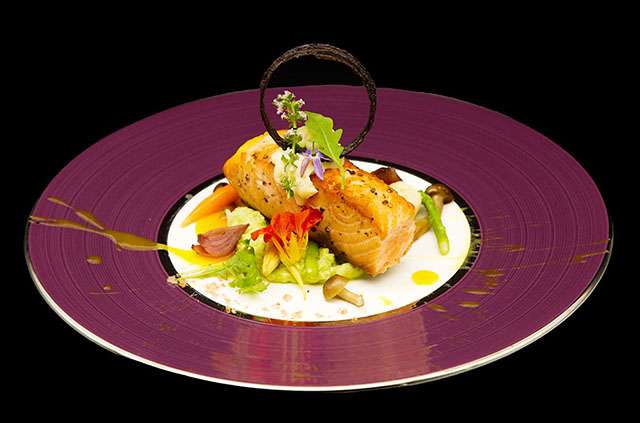
On Dong Du Street in District 1, Duong presents chef-led dishes in a cozy fine-dining setting. The result is a meal where sauce is treated with the same care as the main ingredient, giving Vietnamese flavors a polished context without removing their lively character.
Nuoc Cham As A Textural Element
Traditional nuoc cham usually has a fluid consistency that spreads quickly across the plate. This allows acidity and saltiness to touch several ingredients at once. When poured over rice noodle beef rolls or used as a dip, its liquid body moistens delicate wrappers while keeping the dish fresh rather than heavy.
Small pieces of garlic, chili, or carrot add another dimension. These suspended ingredients create tiny bursts of texture that interrupt the smooth sauce. A soft rice noodle roll can therefore feel more animated, with a gentle chew followed by a crisp aromatic accent.
A refined restaurant may adjust the sauce’s thickness according to the plate. A lighter version suits seafood and salads, while a slightly fuller texture can cling to grilled meat or roasted vegetables. The sauce remains recognizable, but its consistency is calibrated for each bite.
How Sweetness Builds Body
Sugar in nuoc cham does more than soften the sharpness of lime or vinegar. When dissolved carefully, it gives the sauce a rounder mouthfeel and a subtle sense of weight. This is useful in fusion cooking, where French techniques and Vietnamese seasonings may meet on the same plate.
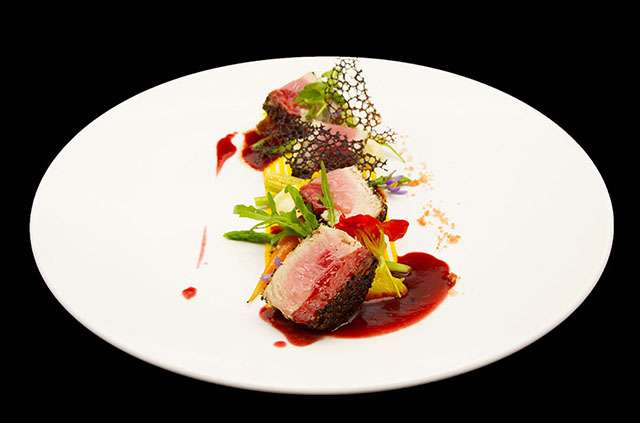
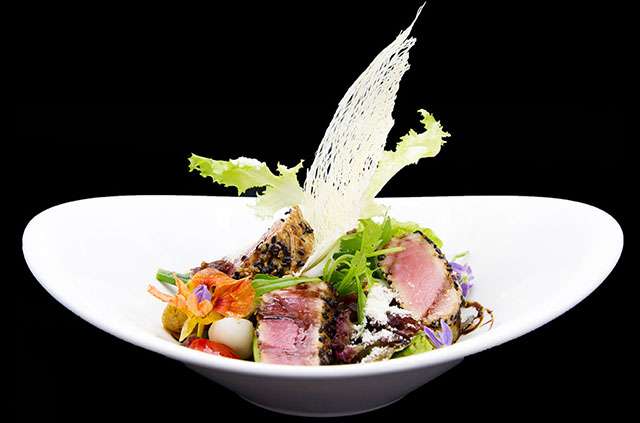
A balanced sweet note can make a sauce feel almost satin-like without turning it into a thick glaze. That middle texture is valuable with tuna steak, where a heavy coating could conceal the fish’s clean flavor. A thin, polished layer can instead accent the surface while leaving the center tender.
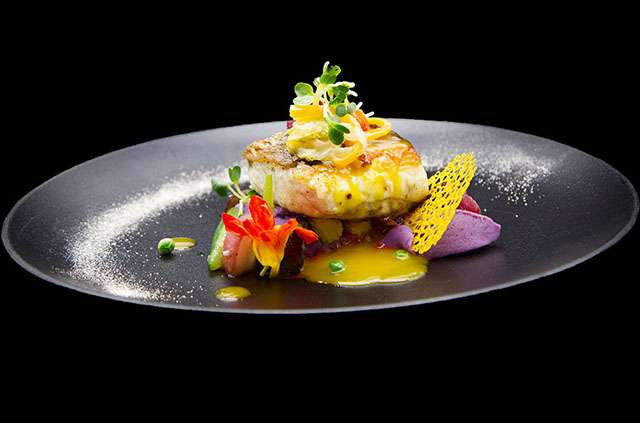
The same principle applies to seafood. Shrimp, scallops, or other delicate ingredients benefit from a sauce that has enough body to remain present but not enough to overwhelm their natural sweetness. Duong’s latest restaurant updates offer a useful glimpse into the setting and culinary direction behind this style of dining.
Acid, Heat, And Aromatic Lift
Lime brings a quick, clean sharpness to nuoc cham. In textural terms, acidity makes a sauce feel lighter and more mobile, cutting through rich ingredients and refreshing the palate between bites. This lift is valuable when a dish includes butter, caramelization, fried elements, or a rich protein.
Chili contributes warmth, but its physical form also matters. Finely chopped chili disperses heat evenly, while larger pieces create occasional flashes of intensity. Garlic behaves similarly: minced finely, it blends into the liquid; cut more generously, it provides a soft crunch and a stronger aromatic presence.
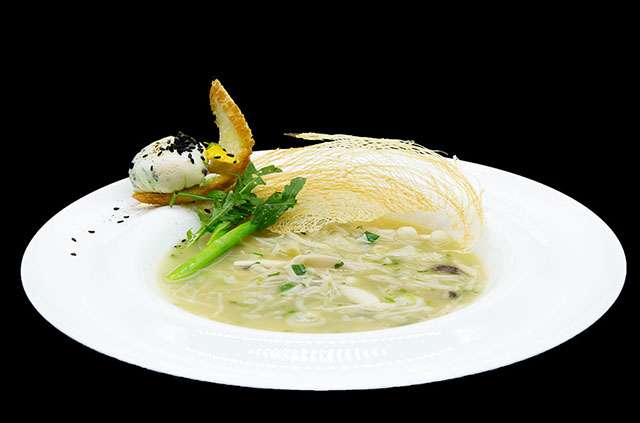
These contrasts help a fusion dish maintain momentum. A creamy mushroom soup may need only a bright herb or chili accent, while a salad with crisp vegetables can welcome more visible aromatics. Nuoc cham becomes a bridge between smooth French-inspired textures and the sharper, more layered profile associated with Vietnamese food.
Texture Across Fusion Plates
The texture of nuoc cham can be understood most clearly by comparing how it behaves with different ingredients. A sauce that seems perfectly balanced with rice noodles may feel too delicate beside grilled seafood. Likewise, a version with plenty of garlic and chili may bring welcome energy to a salad but distract from a carefully seared tuna steak.
| Dish Style |
Dominant Food Texture |
Nuoc Cham Texture |
Dining Effect |
| Rice noodle beef rolls |
Soft, flexible, lightly chewy |
Fluid with fine aromatics |
Adds moisture, salt, and small crisp accents |
| Seafood |
Tender, springy, delicate |
Light and citrus-led |
Preserves freshness and lifts natural sweetness |
| Tuna steak |
Firm outside, tender center |
Smooth, lightly rounded |
Complements seared notes without masking the fish |
| Mushroom soup |
Silky and warm |
Bright, thin, aromatic |
Cuts richness and refreshes the finish |
| Vietnamese-inspired salad |
Crisp, layered, juicy |
More textured with chili and garlic |
Ties crunchy elements together while adding heat |
The most successful pairing depends on contrast. A silky soup does not need another creamy component; it benefits from brightness. A crunchy salad may welcome a sauce with visible fragments. This attention to mouthfeel is part of what gives fine dining its sense of precision.
Reading The Sauce Bite By Bite
Dining at Duong encourages a slower appreciation of how each element changes. Rather than mixing all the sauce at once, tasting a small amount with one ingredient first can reveal its salt level, acidity, sweetness, and finish. The next bite may show how the same sauce behaves with herbs, noodles, or a seared surface.
Travelers often pay attention to this balance when describing their meals, and these traveler impressions reflect the broader appeal of combining attentive service, atmosphere, and carefully presented Vietnamese flavors. Texture becomes part of the memory because it is felt as much as tasted.
The sauce also helps connect separate courses. A bright dressing in a salad may prepare the palate for seafood, while a more rounded condiment can support a main course with roasted or grilled notes. Its purpose is subtle, yet it can shape the rhythm of the entire meal.
Ways To Notice The Difference
A few simple tasting habits make the texture of nuoc cham easier to recognize during a fine-dining meal:
- Taste the sauce alone first to notice whether it is thin, silky, or lightly syrupy.
- Pair it with a soft ingredient, such as a rice noodle roll, and observe how it adds moisture.
- Try it with a crisp salad element to identify the contrast between liquid sauce and fresh crunch.
- Notice whether minced garlic, chili, or herbs create small bursts within the smooth base.
- Compare the first taste with the finish after a seared or richer ingredient.
These observations turn a familiar condiment into a detailed part of the dining experience. They also show why sauce preparation requires restraint: too much sweetness can flatten the palate, while excessive acidity can dominate delicate seafood.
At Duong Restaurant Saigon, nuoc cham is best appreciated as a textural partner rather than a finishing afterthought. Its movement, thickness, aromatics, and balance help Vietnamese ingredients meet French-inspired presentation in a composed, approachable way.
Reserve a table on Dong Du Street to explore the restaurant’s chef-led menu, from rice noodle beef rolls and seafood to tuna steak, salads, and other Vietnamese-inspired dishes. A meal at Duong offers the chance to experience how a carefully balanced sauce can give every course greater freshness, contrast, and character.