Five side dishes that make Duong’s seafood shine
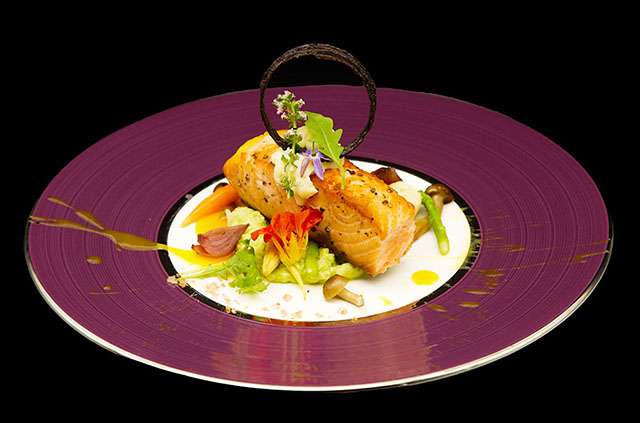
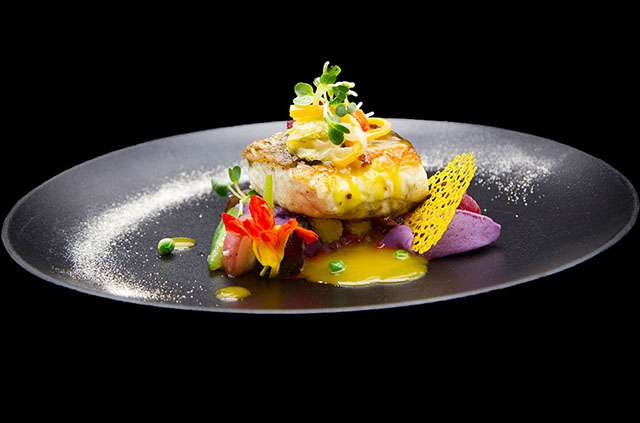
Duong Restaurant Saigon brings Vietnamese flavours and French technique together on Dong Du Street in District 1, Ho Chi Minh City. Its chef-led menu moves easily from tuna steak and seafood to rice noodle beef rolls, mushroom soup and fresh salads, all within a cosy fine-dining setting.
The top five side dishes that make Duong’s seafood shine work by contrast: crunch against tender fish, earthiness against salt, and freshness against richness. Each one should support the seafood rather than compete with it, especially when the meal is shared.
For Australian diners, the strongest order is usually one seafood main plus two sides, with a third for an adventurous group. Tuna is familiar from Sydney Fish Market, while Vietnamese herbs and lemongrass create a cleaner, more aromatic contrast. Availability can shift with the chef’s sourcing.
| Side dish |
Flavour profile |
Texture |
Best seafood pairing |
| Rice noodle beef rolls |
Savoury beef with mild rice-noodle sweetness |
Soft-chewy |
Tuna steak |
| Mushroom soup |
Earthy mushrooms and aromatic stock |
Silken |
White fish, prawns or squid |
| Vietnamese-style salad |
Fresh, tangy and fragrant |
Crisp |
Tuna or mixed seafood |
| Spring rolls |
Light savoury filling with gentle spice |
Crisp |
Prawns, squid or white fish |
| Ginger-scallion vegetables |
Sweet, garlicky and aromatic |
Tender-crisp |
Tuna steak or prawns |
Build contrast before adding heat
Seafood at Duong is the centre of the meal, so each side should answer a different part of the plate. A crisp accompaniment gives tuna or prawns a livelier contrast; a soup adds warmth and savoury depth; a salad supplies acidity and fragrance. The French influence makes restraint especially important.
For guests who want cultural context before choosing, this quick set of Vietnam food facts helps distinguish core Vietnamese flavours from the fusion elements on the chef’s menu. Use it as background, then return to what sounds balanced for your meal.
Let the rice noodle beef rolls lead
The restaurant’s rice noodle beef rolls bring savoury beef and soft, springy noodles to the table. That concentrated flavour offers a textural counterpoint to delicate fish, but a small portion works best. Share one or two pieces before the seafood arrives and choose a lighter dressing or sauce for the main course.
These rolls also root the meal in Vietnamese flavour while reflecting Duong’s willingness to reinterpret familiar dishes. For a mixed group, they are useful because the strong beef flavour gives everyone a clear point of agreement, leaving the seafood to provide contrast.
Use mushroom soup as a savoury reset
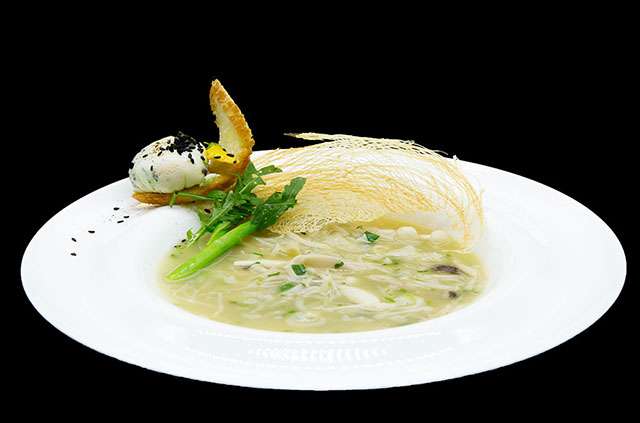
Mushroom soup brings earthy depth and a warm, spoonable texture to the spread. It works particularly well before white fish, prawns or squid, whose clean flavour can disappear if the rest of the meal is too heavily seasoned.
Ordering it as a starter also sets a comfortable pace for the courses that follow. Its aromatic stock feels closer to a European bistro classic than a dense Vietnamese noodle bowl, which explains how neatly it fits the restaurant’s French-Vietnamese identity.
Give tuna a fresh, acidic counterpoint
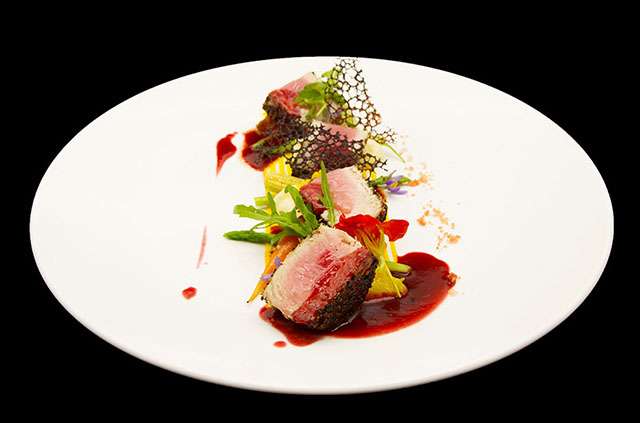
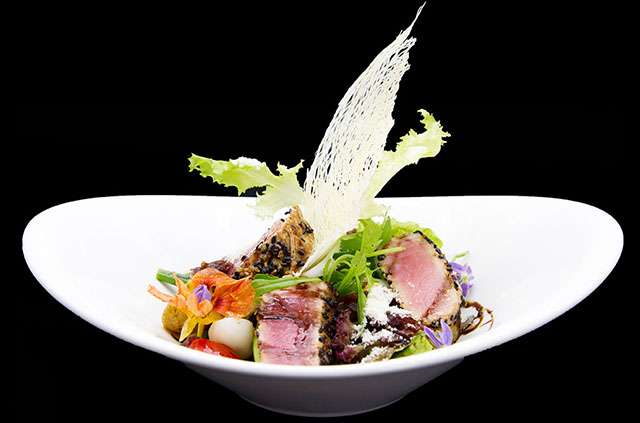
Tuna steak has a firm texture and pronounced flavour, so it benefits from something crisp and sharp beside it. A fresh Vietnamese-style salad brings lettuce, herbs and a bright dressing that cools the richness without making the fish taste insubstantial.
This is the side to prioritise when several guests are ordering different seafood. Ask whether the dressing can be served separately, then add a little to each bite. That control keeps the salad lively while protecting the tuna’s clean, smoky character.
Add one crisp side and one warm side
Spring rolls supply a crisp shell and light savoury filling, making them useful beside prawns, squid or white fish. A warm plate of ginger-scallion vegetables offers the opposite contrast: tender edges, sweet aromatics and enough ginger to stand up to tuna steak.
The principle travels well across cuisines. New York’s Blue Evolution seafood menu provides a useful cross-city reference for pairing seafood with considered sauces and vegetable accompaniments. The goal at Duong is similarly restrained: keep the accompaniments distinct while allowing the seafood to remain the most memorable element.
Order the spread the Australian way
Australian menus often call the first course an entrée and the main course a main, while casual diners say they want a few plates “to share”. In Melbourne, booking dinner on a Friday or Saturday is routine, and the sharing style common around Chinatown suits Duong’s cosy room.
For a balanced meal, use the seafood as the centre and assign each side a clear purpose:
- Centre the order on tuna steak or another seafood main.
- Share rice noodle beef rolls before the seafood arrives.
- Add mushroom soup when the chosen fish is rich or boldly seasoned.
- Put a fresh herb salad beside tuna, prawns or squid.
- Use spring rolls or ginger-scallion vegetables for the final contrast.
Make the meal part of District 1
Duong’s location makes it easy to pair dinner with more of District 1. After the meal, the Mariamman Temple visit guide is a useful lead for a self-guided cultural stop, while Dong Du and the surrounding streets reward an unhurried walk. Attentive service and the cosy atmosphere set a comfortable pace before and after sightseeing.
Book through Duong Restaurant Saigon’s reservation information, choose one seafood main, then add the rice noodle beef rolls, mushroom soup and a fresh salad to share. This mix creates a varied first spread while leaving the seafood clear, balanced and memorable.