Why caramel works in Duong Restaurant Saigon's savory dishes
When most Australians picture caramel, they imagine a sticky sauce spooned over sticky date pudding after a long lunch in a Fitzroy café. The flavour carries immediate comfort, tied to buttery, sugary sweetness. Yet in the hands of a skilled Vietnamese-French chef, this same golden ingredient transforms into something completely different: a savoury building block that brings depth, colour, and a whisper of bittersweet complexity to meat, seafood, and vegetables.
Few places in Ho Chi Minh City demonstrate this transformation as confidently as Duong Restaurant Saigon on Dong Du Street, where the kitchen treats caramel less like a dessert note and more like a seasoning. The technique itself has deep roots across Vietnam. Traditional nuoc mau, a dark syrup made by slowly cooking sugar until it turns a deep mahogany, has flavoured braised pork, claypot fish, and stir-fried greens for generations. French colonialism brought its own caramel traditions into the mix, particularly through meat glazes and onion confit. Head chef Duong fuses both lineages, using caramel to round out umami and sharpen savoury edges across the menu.
For travellers planning a meal out in District 1, the city's dining scene can feel overwhelming, and the best way to settle in is often to start with a trusted list. Curious diners can browse these ten standout plates before they arrive, then experience how caramel weaves through several of them in person.
The French-Vietnamese caramel tradition
Caramel in savoury cooking is not a novelty, but its presence in Vietnamese restaurants outside of home kitchens remains rare. At Duong Restaurant Saigon, the technique draws from two culinary wells. The French side brings a patient reduction of sugar into a deep amber liquid, often finished with stock, vinegar, or wine to balance the sweetness. The Vietnamese side brings nuoc mau, which is darker, smokier, and usually cooked with fish sauce or coconut water. The kitchen uses both, sometimes within the same dish, to layer flavours naturally.
A quick comparison helps explain the two approaches.
| Caramel style |
Colour & flavour profile |
Common uses at Duong Restaurant Saigon |
| Dry caramel (French-leaning) |
Light amber, nutty, butterscotch notes |
Pan sauces for tuna steak, reductions for grilled seafood |
| Wet caramel (Vietnamese nuoc mau) |
Deep mahogany, smoky, bittersweet |
Braised beef, fish claypots, sticky pork belly |
| Blended caramel (house style) |
Rich, complex, layered |
Mushroom soup garnish, salad dressings, glaze for rice noodle beef rolls |
The kitchen adjusts the cooking method depending on the protein. A quick sear calls for a lighter French-style caramel brushed on at the end, while a slow braise benefits from the deeper, saltier Vietnamese version added at the start. Australians who appreciate the layered reduction work of a Margaret River shiraz will recognise the same logic at play, where intensity is built slowly over heat rather than masked with sugar.
Caramel in seafood and meat plates
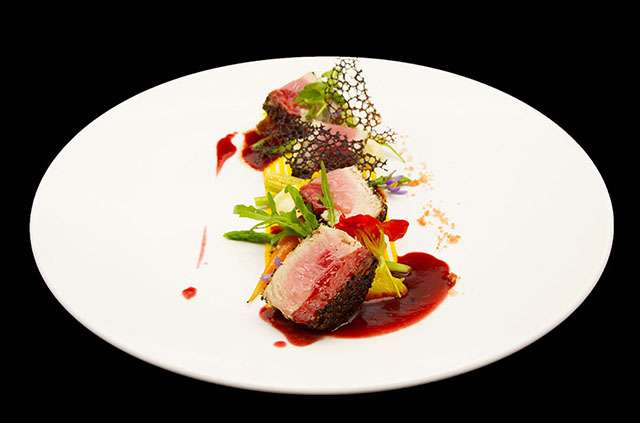
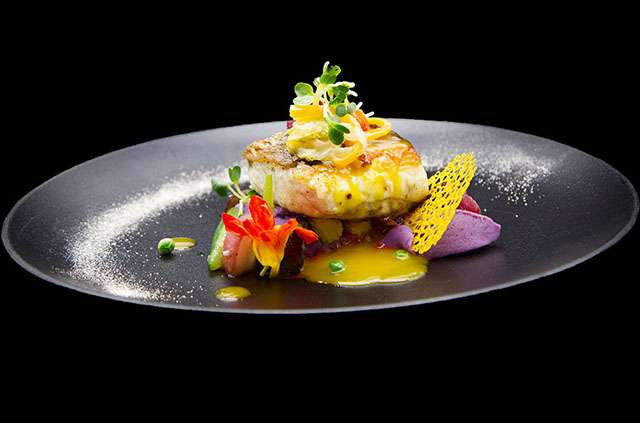
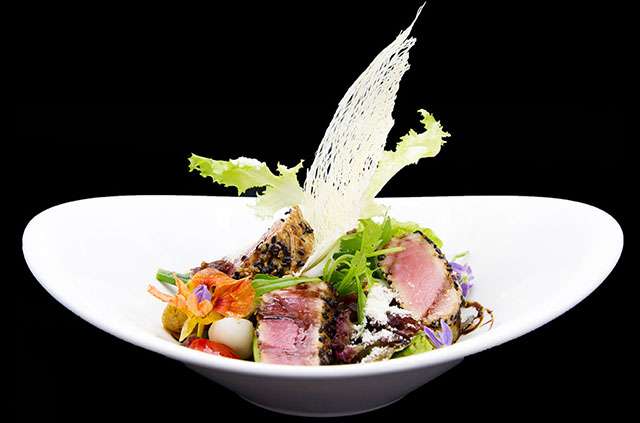
Seafood takes to caramel with surprising grace, and the restaurant's tuna steak is one of the clearest examples. The fish is seared rare, then finished with a glaze built from dry caramel, soy, ginger, and fish sauce. The caramel does not announce itself; instead, it darkens the crust, locks in moisture, and adds a faint bitterness that counters the tuna's richness. Australians who grew up ordering barramundi on the barra will recognise the chef's instinct for letting a sauce balance rather than blanket the fish.
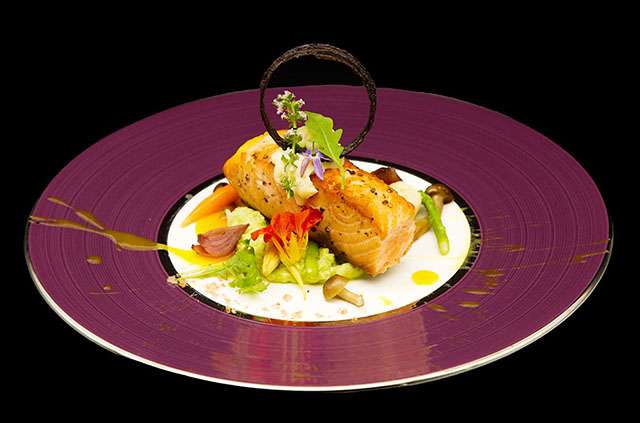
Meat dishes follow a similar philosophy. The signature rice noodle beef rolls arrive slicked with a nuoc mau-based sauce that clings to the noodles and caramelises slightly against the heat of the wok. Pork belly portions pick up glossy edges where the sugar has scorched, while braised short rib spends hours in a wet caramel bath that turns the cooking liquid into something closer to a savoury toffee. Each plate demonstrates how the chef lets sugar do structural work rather than decorative work.
Standout caramel-led dishes worth ordering
The menu changes with the seasons, but several plates anchor the caramel conversation. Diners who want to taste the technique at its best can start with these favourites.
- Tuna steak with dry caramel glaze, finished with soy and ginger
- Braised short rib in a wet nuoc mau bath, served over jasmine rice
- Rice noodle beef rolls tossed in a smoky caramelised sauce
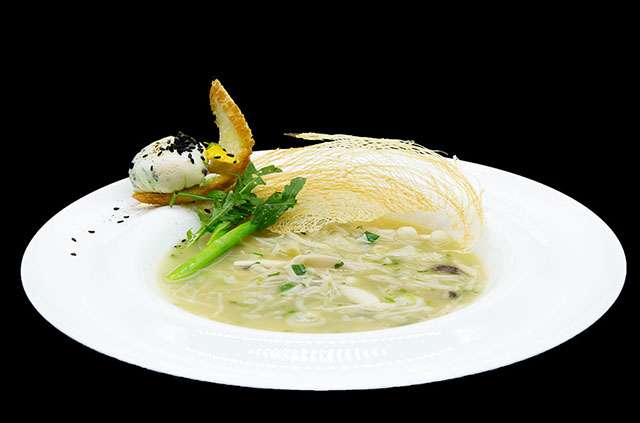
- Wild mushroom soup topped with a drizzle of blended caramel and truffle oil
- Sticky pork belly scorched at the edges and balanced with pickled vegetables
The kitchen also runs a chef's tasting menu each month that pulls several of these elements together. Asking the staff about the current selection is the easiest way to compare the dry, wet, and blended caramel styles side by side.
Tips for Australian diners
Australians are adventurous eaters, but a few habits can make the caramel-forward menu even more enjoyable. Before sitting down, travellers should keep these details in mind.
- Book ahead, especially from December to February, when Aussie summer holidays flood Ho Chi Minh City with visitors escaping their own winter.
- Ask the waiter which sauce carries the caramel, since it can change how the dish reads on the palate.
- Order a light starter such as a green papaya salad to reset the tongue between richer plates.
- Pair the caramel-glazed meats with a Vietnamese iced tea or a local lager rather than a heavy red.
- Save room for a simpler dessert, since the savoury course already carries sweetness.
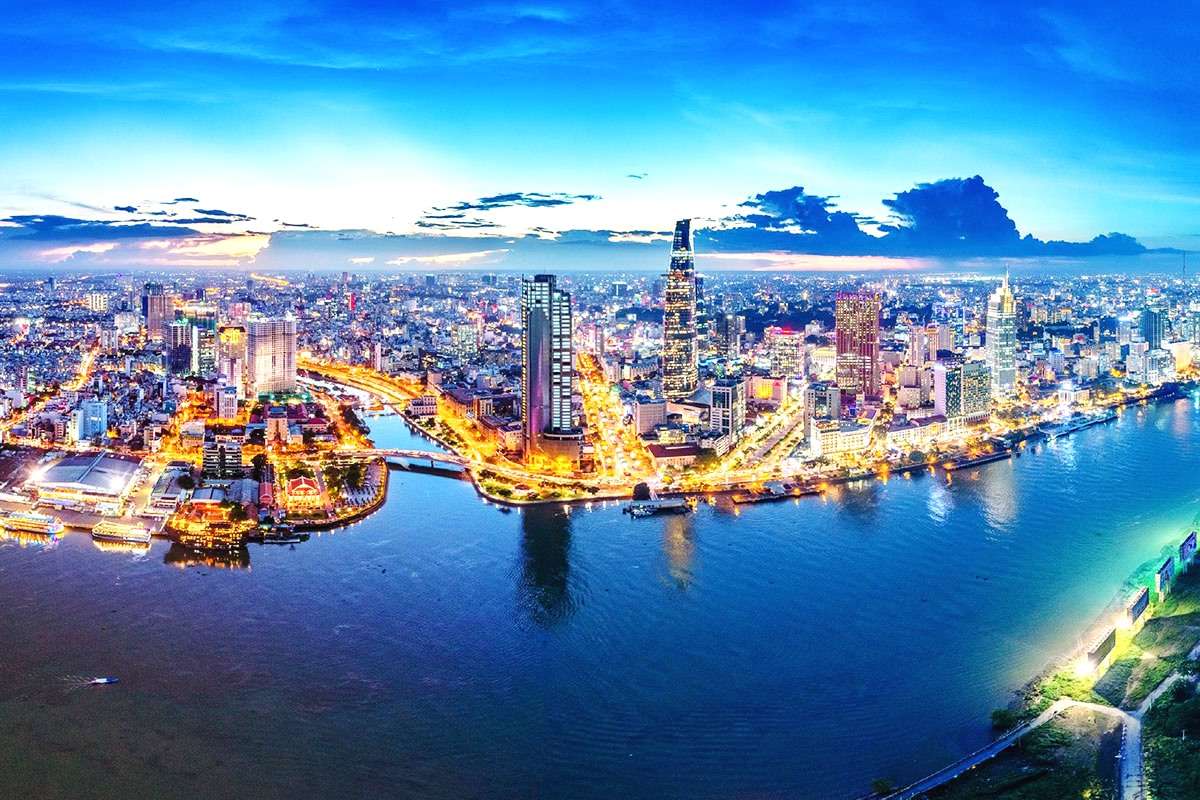
Travellers flying in from Perth often arrive late in the evening and head straight to dinner. That timing works beautifully with the restaurant's rhythm, since the kitchen's caramel notes tend to deepen as service progresses and the dining room settles into its sunset skyline views over the city.
The sensory experience beyond the plate
Food rarely travels alone, and caramel in particular seems to ask for atmosphere. At Duong Restaurant Saigon, the Dong Du Street location places diners within walking distance of the Saigon River and the opera house, both of which colour the room with soft golden light as the arvo turns to evening. The caramel on the plate mirrors that light, reflecting it back through glossy sauces and charred edges. The harmony is subtle, but it is what turns a good meal into a memorable one.
Visitors worried about navigating a busy Asian capital for the first time will benefit from a little preparation. Anyone landing in Ho Chi Minh City from Sydney can read through this safe dining guide for practical advice on street food, water, and restaurant etiquette, so the focus can stay on the food rather than the logistics.
The chef-led menu rewards travellers who plan ahead, and reservations through the restaurant's website guarantee a table in the cosy dining room. Book a seat at Duong Restaurant Saigon tonight and taste how a single ingredient can carry an entire kitchen's philosophy.