What Makes Duong Restaurant Saigon's Rice Paper Rolls So Fresh and Crisp
Australia's growing love for Vietnamese cuisine has turned fresh rice paper rolls into a staple at summer brunches from Sydney's Cabramatta to Melbourne's Richmond. In a country where temperatures often soar past thirty-five degrees, the cool, herbaceous bite of a properly made goi cuon feels almost medicinal. Yet not every version lives up to the ideal, and the difference between a limp, soggy roll and one that snaps with each bite comes down to a handful of careful decisions made long before the dish reaches the table.
Tucked along Dong Du Street in the heart of District 1, Duong Restaurant Saigon treats rice paper rolls as a canvas for Vietnamese and French culinary traditions. The kitchen approaches each component with the same discipline used for its seared tuna steak and slow-simmered broths, which is why travellers and locals alike keep returning to this particular address in Ho Chi Minh City.
The rice paper wrapper sets the tone
A great roll begins with the wrapper, and Duong Restaurant Saigon sources its banh trang from producers who understand that moisture, age, and thickness all matter. The sheets arrive at the kitchen slightly dry and brittle, which is the desired state. Chefs dip each one in warm water for just a few seconds, then lay it on a clean surface where it softens into a translucent skin without becoming waterlogged. This short window between pliable and pasty is where most home cooks fail, and where the restaurant's trained hands make the difference.
The result is a wrapper that stays supple enough to fold without tearing, yet firm enough to provide the signature crisp resistance when bitten. Visitors interested in the broader sourcing philosophy can read how ingredients are sourced, which explains the relationships with growers around the Mekong Delta.
Fillings built around texture and temperature
Inside each roll, the restaurant layers textures with intention. Poached prawns from the south coast sit alongside thinly sliced pork belly, while rice vermicelli adds a soft, neutral base. What truly distinguishes the rolls, however, is the generous inclusion of fresh herbs: Vietnamese mint, Thai basil, perilla, and lettuce from local farms. Each leaf is washed, spun dry, and used the same day.
Australians accustomed to the herb-heavy salads of Vietnamese-Australian cafés in Footscray or Marrickville will recognise this commitment to green freshness. The kitchen also incorporates crisp julienned carrot and daikon, which contribute a sweet crunch that contrasts with the silkier proteins. Nothing is pre-cooked and held, nothing sits in a container waiting to be rolled.
Technique that locks in the snap
Technique separates a memorable roll from a forgettable one, and the chefs at Duong have refined their process over years. They roll each bundle tightly enough to hold its shape, but not so firmly that the wrapper tears or the fillings compress into paste. Once assembled, the rolls are cut with a sharp knife dipped in water, which keeps the rice paper from dragging and sticking to the blade.
The rolls are then plated immediately and sent to the table. There is no resting period, no holding drawer. This immediacy preserves the slight tackiness of the rice paper, which then firms up slightly as it meets the air. Within thirty seconds, the outer skin develops that satisfying tautness diners prize.
| Roll style |
Wrapper texture |
Filling temperature |
Best paired with |
| Duong's fresh rice roll |
Soft, slightly tacky, snap-resistant |
Cool, room temperature |
Hoisin and chili dipping |
| Crispy fried spring roll |
Golden, brittle, crunchy |
Warm, just-cooked |
Lettuce cups and nuoc cham |
| Saigon-style wet roll |
Soft, fully pliable |
Cool, herb-forward |
Peanut sauce |
The table above highlights the contrast between styles available across Ho Chi Minh City, from street carts to dining rooms like Duong's.
Pairing the rolls with the wider menu
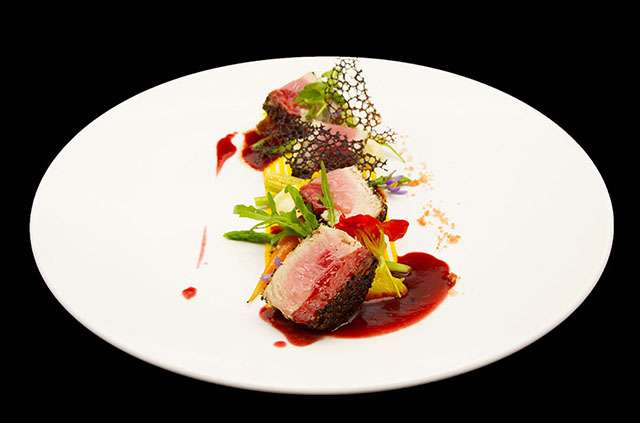
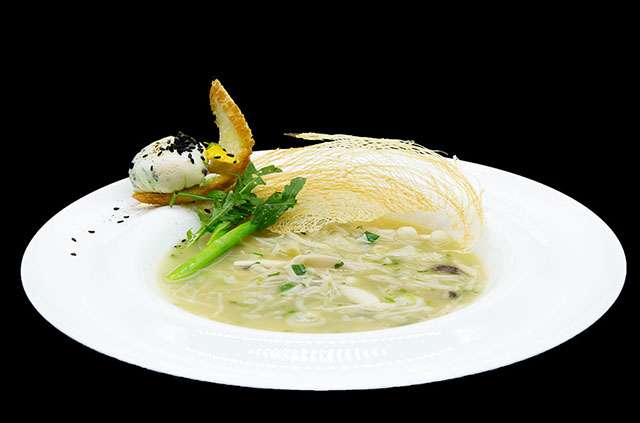
The rolls work beautifully as a starter before heartier plates such as the signature rice noodle beef rolls or the seared tuna steak. Diners looking to extend the meal often follow with a soup course, and the mushroom soup offers an earthy counterpoint to the cool, herbaceous opening.
For those with a sweet tooth, the restaurant's desserts layer French pastry technique with Vietnamese flavours, providing a fitting finale. The contrast between the clean, cool rolls and a warm, caramel-rich dessert creates a balanced arc across the meal.
How Australian diners experience these rolls
Back home, Vietnamese restaurants in suburban hubs like Cabramatta, Springvale, and Inala have spent decades perfecting their own versions of goi cuon. Many diners who have travelled to Saigon, however, will admit that the rolls served at the source feel different, often brighter and sharper in their herbal intensity. Part of this is geography: herbs grown under the southern Vietnamese sun carry stronger essential oils than their greenhouse-grown Australian counterparts.
Another factor is timing. Vietnamese-Australian chefs frequently prepare rolls hours ahead for takeaway counters, which inevitably softens the wrapper. At Duong Restaurant Saigon, the rolls arrive at the table within minutes of being assembled, which Australian palates trained on fresh, just-cut sushi at the Sydney Fish Market will immediately recognise and appreciate.
Planning a visit around the rolls
For travellers from Brisbane or Perth considering a trip specifically to explore Vietnamese cuisine, Ho Chi Minh City rewards those who plan ahead. The restaurant accepts reservations through its website, and early evening seatings tend to offer the freshest kitchen output, since the morning's herb deliveries have settled into the walk-in coolers and the team is fully rested.
Guests who want to broaden their culinary tour of the city can also explore Ho Chi Minh street eats to round out an evening after their fine-dining experience at Duong.
Tips for appreciating every detail
- Request the rolls as your first course so the herbs taste their brightest before richer dishes arrive.
- Dip sparingly into the hoisin-chili sauce to preserve the snap of the wrapper.
- Eat with your hands the traditional way, then switch to chopsticks once the roll is cut.
- Order an extra plate to share; the rolls disappear quickly at tables of two or more.
- Pair with a light Vietnamese iced tea or a French-style house wine for contrast.
Reserve a table at Duong Restaurant Saigon before your next evening in District 1. The combination of meticulous sourcing, immediate plating, and an unwavering commitment to texture ensures the rice paper rolls arrive at your table exactly as the chef intended: bright, taut, and crisp with every bite.