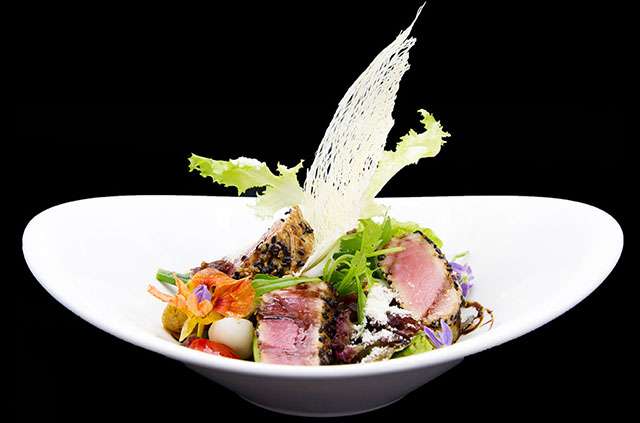
Drinks for Tuna Steak at Duong Restaurant Saigon
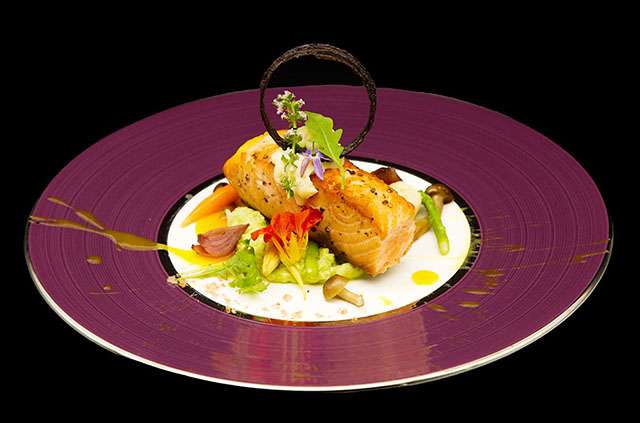
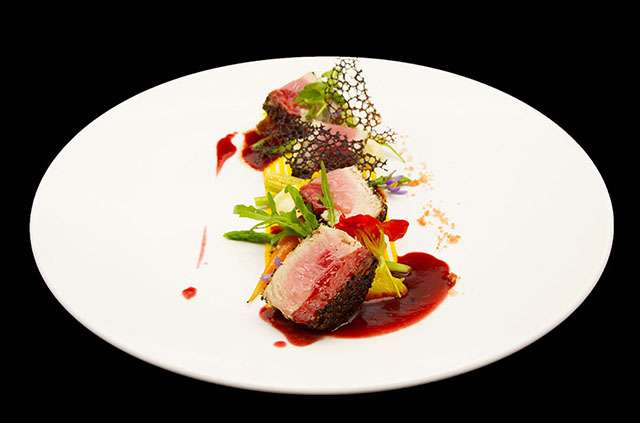
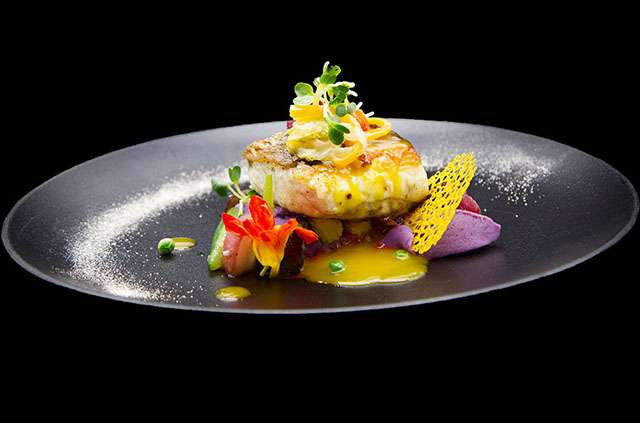
Tuna steak has a clean, meaty flavour that can suit far more than a chilled glass of white wine. At Duong Restaurant Saigon, the chef-led menu brings Vietnamese ingredients and French technique together, creating room for sparkling drinks, aromatic cocktails, light reds, and carefully chosen non-alcoholic pairings.
For Australian diners, the best choice depends on how the tuna is cooked, the sauce on the plate, and what else is ordered. A bright drink can refresh a warm Saigon evening, while a more textured option can match seared fish with mushrooms, herbs, chilli, or a rich reduction.
Tuna’s Texture Needs Balance
A lightly seared tuna steak has a firm, almost beef-like texture in the centre, yet it remains delicate around the edges. Drinks with sharp acidity work well because they cleanse the palate between bites. Citrus, green apple, fresh herbs, and gentle bubbles can lift the fish without covering its flavour.
If the dish includes soy, sesame, ginger, or Vietnamese herbs, sweetness should stay restrained. A bone-dry drink may feel too severe beside chilli, while a heavily oaked or high-alcohol choice can make the tuna taste metallic. The aim is a pairing that keeps the seafood fresh and the seasoning lively.
Sparkling Drinks Beyond Champagne
Sparkling wine is an excellent alternative to still white wine. French crémant, Italian Franciacorta, or a dry Australian sparkling wine can bring enough acidity to balance tuna while adding a celebratory feel. A Tasmanian or Victorian sparkling may appeal to guests who enjoy cool-climate wines with fine bubbles and a crisp finish.
For a non-wine option, ask about sparkling water with lime, lemongrass, or a lightly sweetened calamansi-style cordial. The bubbles echo the freshness of the fish, and the citrus helps soften salty or spicy sauces.
Bright Choices For A Fresh Plate
- Brut sparkling wine with seared tuna and herb dressing
- Soda water with lime for a clean, alcohol-free pairing
- Dry sparkling rosé with tuna, tomato, or mild chilli
- Ginger and lemongrass spritz for a fragrant Vietnamese accent
- Unsweetened iced tea when the meal includes several rich dishes
A Melbourne diner used to ordering “sparkling” rather than “bubbly” will find these options familiar, while visitors from Sydney may enjoy the same style alongside seafood-inspired starters. Ask the team whether the current preparation calls for something crisp, floral, or slightly fuller-bodied.
Vietnamese Aromatics In The Glass
Tuna pairs naturally with flavours common in Vietnamese cooking. Lemongrass, basil, mint, ginger, coriander, and kaffir lime-style citrus can mirror the herbs on the plate. A gin-based cocktail with restrained botanicals may be especially effective, provided it is not overloaded with sugar or strong tonic.
A dry vermouth spritz, cucumber cocktail, or lightly salted margarita-style drink can also work with tuna. These choices suit diners who want a cocktail with dinner rather than a conventional wine match. Keep the serve moderate, since delicate fish can disappear beside a powerful spirit-forward drink.
The same principle applies to beer. A crisp lager or a pale ale with moderate bitterness can handle grilled or seared tuna, especially where the dish includes fried garnish or chilli. Avoid very bitter IPAs unless the sauce is bold enough to stand up to them.
Reds, Rosé, And Amber Alternatives
Red wine is possible when it is light, low in tannin, and served slightly cool. Gamay, cool-climate Pinot Noir, or a delicate Australian rosé can match tuna better than a dense Shiraz. Tannin can create a dry, iron-like sensation with fish, so softer styles are safer.
Orange wine and chilled light reds offer a more adventurous direction. Their gentle grip can suit sesame, mushrooms, caramelised edges, or a savoury Vietnamese sauce. When choosing what to drink with tuna steak at Duong Restaurant Saigon, think about the sauce first, then the colour of the wine.
| Tuna preparation |
Drink style |
Why it works |
| Rare or medium-rare seared tuna |
Brut sparkling |
Acidity and bubbles refresh the palate |
| Tuna with herbs and citrus |
Dry rosé |
Fruit and freshness echo the garnish |
| Tuna with mushroom sauce |
Light Pinot Noir |
Earthy notes complement the savoury sauce |
| Tuna with chilli and ginger |
Aromatic spritz |
Citrus and bubbles soften heat |
| Grilled tuna with robust seasoning |
Crisp lager |
Clean bitterness balances char and salt |
Australian guests who usually choose a bold Barossa red with steak may prefer a lighter Adelaide Hills Pinot Noir here. It still provides wine character, but its structure is less likely to overwhelm the fish.
Pairing Drinks With The Whole Meal
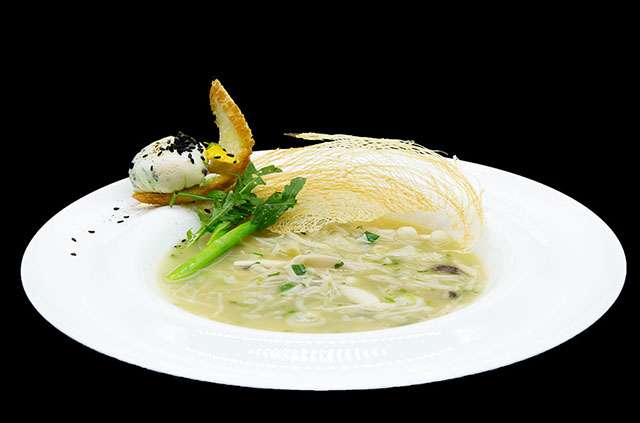
A restaurant meal rarely centres on one plate alone. Rice noodle beef rolls, seafood, salads, and mushroom soup may all appear before or beside the tuna. A versatile drink is therefore often more useful than a highly specific match.
For a table sharing several courses, dry sparkling wine, lager, or soda with citrus is dependable. If one guest chooses tuna and another selects vegetarian dishes, the group can still share a bottle or order matching glasses. Diners considering plant-based courses can review the restaurant’s vegetarian choices before settling on a drink with enough flexibility.
Useful Orders For A Shared Table
- Dry sparkling wine for seafood, salads, and fresh starters
- Crisp lager for fried items and grilled flavours
- Light rosé for mixed dishes with herbs and tomato
- Ginger tea for a gentle, warming alcohol-free option
- Lime soda for guests moving between savoury courses
This approach suits Australian dining habits, where sharing plates and ordering a round of drinks are common. It also makes sense after a long flight from Brisbane, Perth, or Melbourne, when a refreshing first drink may be preferable to a heavy cocktail.
A Drink For Saigon’s Evening Rhythm
The setting matters as much as the ingredients. Duong Restaurant Saigon is on Dong Du Street in District 1, a convenient area for a meal after exploring central Ho Chi Minh City. A cool drink can be welcome after walking through busy streets, shopping, or visiting nearby landmarks.
Guests planning an afternoon around local culture could visit the Jade Emperor Pagoda before dinner, then arrive ready for a slower meal. In that situation, a light spritz, mineral water, or chilled tea may feel more suitable than a strong aperitif.
Australian visitors may notice that dinner in Saigon can begin later and unfold at a more relaxed pace than a quick weeknight meal at home. Saying “cheers” over a shared bottle, taking time between courses, and choosing a second drink only after the tuna arrives can make the pairing feel more natural.
Reserve The Right Pairing
The strongest pairing is the one that follows the kitchen’s current preparation. Tuna may be served with a different garnish, sauce, or cooking style depending on the chef-led menu, so the restaurant team can guide the choice more accurately than a fixed rule.
If the visit coincides with a seasonal celebration, the menu may carry distinctive local ingredients or special combinations; the restaurant’s guide to festival-inspired menus offers useful context before you dine. Reserve a table at Duong Restaurant Saigon, mention the tuna preparation when ordering, and let the team select a drink that matches the plate and the mood of your evening.