What to Expect from a Chef’s Tasting Menu at Duong Restaurant Saigon
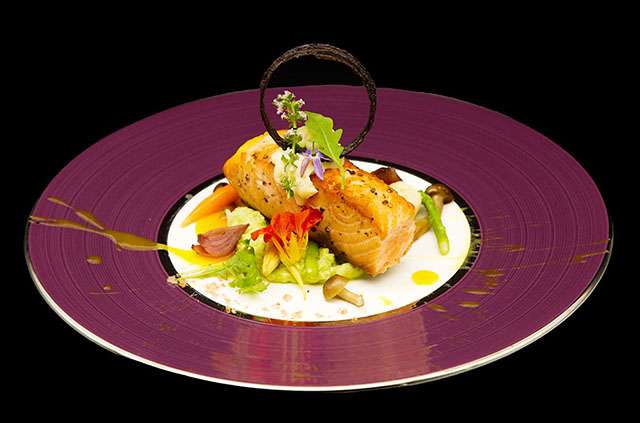
A chef’s tasting menu at Duong Restaurant Saigon offers a guided way to experience Vietnamese cuisine through a carefully arranged sequence of courses. Rather than choosing a single main dish, diners can expect a progression of flavors, textures, and ingredients shaped by the chef’s interpretation of local culinary traditions.
Located on Dong Du Street in District 1, the restaurant combines Vietnamese inspiration with French fine-dining techniques. The atmosphere is cozy and polished, making the experience suitable for a special evening, a relaxed culinary exploration, or a memorable meal during a visit to Ho Chi Minh City.
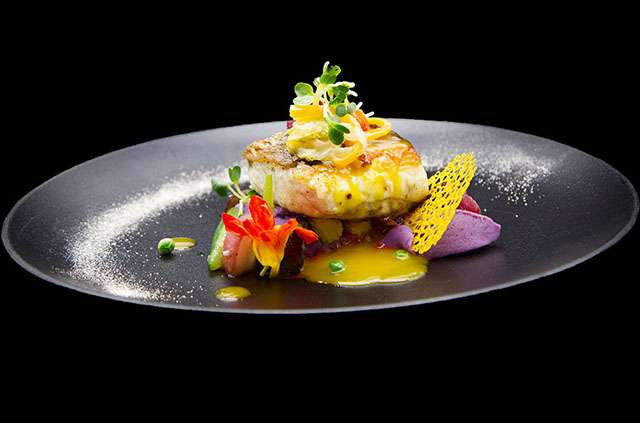
The menu may change with ingredient availability and the chef’s creative direction. That element of discovery is part of the appeal: each course arrives with its own presentation, balance, and story, while the overall meal remains connected to the fresh herbs, vegetables, seafood, meats, and aromatic seasonings associated with Vietnamese food.
A Calm Start In A Refined Setting
The tasting experience begins with the setting. Duong Restaurant Saigon provides an intimate dining room where attentive service and thoughtful presentation create a more leisurely rhythm than a typical casual meal. Guests can settle in, review the menu format, and prepare for several courses rather than a single plate served all at once.
The restaurant’s location makes it convenient to include dinner in a District 1 itinerary. Visitors spending the afternoon exploring cultural landmarks such as the Jade Emperor Pagoda can continue toward Dong Du Street for an evening focused on food, hospitality, and modern Vietnamese dining.
A Sequence Built Around Vietnamese Flavors
An opening course may introduce the kitchen’s style with a light salad, delicate seafood, or a small Vietnamese-inspired appetizer. Fresh herbs, crisp vegetables, citrus, chili, and savory dressings can create an immediate sense of brightness without overwhelming the palate. A dish such as a rice noodle beef roll may appear as a refined interpretation of a familiar local combination.
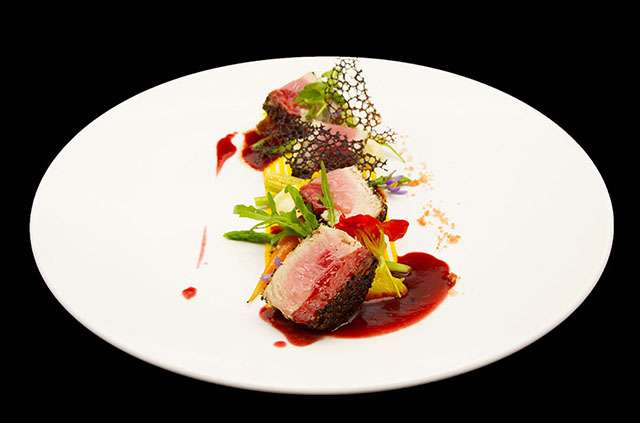
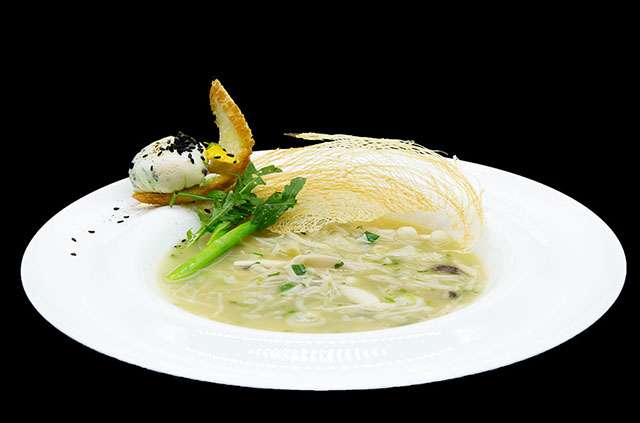
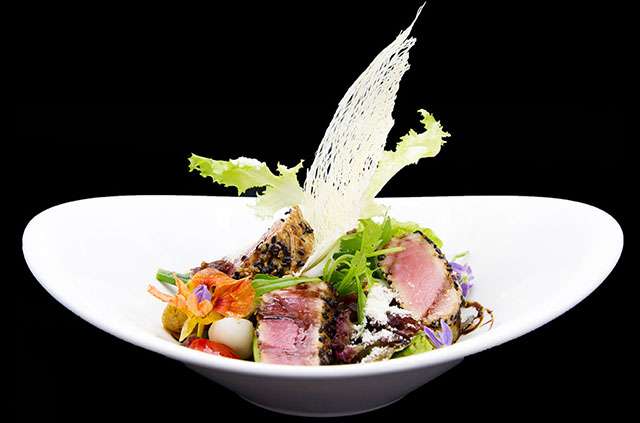
As the meal develops, the flavors generally become fuller and more layered. Seafood can bring sweetness and freshness, while a tuna steak may provide a more substantial course with carefully chosen sauces or vegetables. Mushroom soup, salads, and other seasonal preparations help vary the temperature, texture, and intensity of the meal.
How The Courses May Progress
A tasting menu is best understood as a culinary journey rather than a fixed list of individual favorites. The exact lineup can vary, but diners may encounter a pattern similar to the one below.
| Stage of the meal |
Possible focus |
What diners may notice |
| Welcome bite |
A small chef-selected taste |
A first impression of the restaurant’s technique |
| Light starter |
Salad, seafood, or fresh vegetables |
Bright acidity, herbs, and clean flavors |
| Noodle or roll course |
Vietnamese comfort-food inspiration |
Familiar ingredients presented with finesse |
| Soup or vegetable course |
Mushroom, seasonal produce, or broth |
Warmth, aroma, and a change in texture |
| Main course |
Tuna, seafood, or another featured protein |
Deeper seasoning and a more satisfying finish |
| Sweet ending |
A light dessert or fruit-based preparation |
Balance and a gentle close to the meal |
The spacing between courses allows each preparation to stand apart. This is especially useful when the menu combines dishes with very different personalities, such as a refreshing salad followed by a richer seafood or meat course. The result feels paced and intentional rather than crowded.
French Technique Meets Local Character
The fusion approach does not erase the identity of Vietnamese cuisine. Instead, it can highlight familiar ingredients through French-inspired presentation, sauces, cooking methods, and plating. A simple vegetable may become an elegant accompaniment, while a traditional flavor profile can be presented in a more delicate or contemporary form.
Expect attention to detail in the way sauces are balanced and garnishes are used. Vietnamese cuisine often depends on contrast—sweet with sour, salty with fresh, soft with crisp—and a chef-led menu gives those contrasts room to develop across several courses. The tasting format also makes it easier to notice how herbs, stocks, marinades, and natural ingredient flavors work together.
Portions, Timing, And Dining Pace
Individual tasting courses are usually moderate in size, but the full meal can be satisfying because several dishes are served over time. Diners should allow enough time to enjoy the experience without rushing between reservations or evening plans. The slower pace encourages conversation and gives the service team time to explain each course when appropriate.
Guests who are accustomed to ordering one large entrée may find the format more interactive. Each plate presents a new detail, and the anticipation between courses becomes part of the evening. Reservations are advisable, particularly for weekends, holidays, and other busy dining periods, so the restaurant can prepare for the desired seating time.
Making The Experience Personal
Before the meal begins, it is useful to share important dietary requirements, allergies, or strong dislikes with the restaurant. A chef-led menu may include seafood, meat, dairy, or other ingredients that are not obvious from a brief description. Early communication gives the kitchen a better opportunity to adjust suitable courses when possible.
Guests who enjoy Vietnamese flavors but prefer a lighter meal can also ask about pacing and portion expectations. Those curious about a particular ingredient may want to request a little context from the service team. For a closer look at a popular dish beyond the tasting format, the story behind the chicken salad favorite offers useful insight into the restaurant’s approach to freshness and familiar local flavors.
Ways To Enjoy The Evening Fully
A few simple choices can make the tasting menu feel more comfortable and rewarding:
- Arrive with enough time to settle in before the first course is served.
- Mention allergies, dietary restrictions, and ingredient preferences when reserving.
- Keep the earlier part of the day’s meals moderate if you plan to enjoy every course.
- Take time to notice the changes in aroma, texture, acidity, and spice from dish to dish.
- Ask the service team about unfamiliar ingredients or the inspiration behind a preparation.
The experience is designed for discovery, so there is no need to compare every course with a traditional version of the dish. Some plates may feel familiar, while others may be more experimental. Together, they show how Vietnamese ingredients and culinary ideas can be shaped into a polished fine-dining menu.
Reserve a table at Duong Restaurant Saigon on Dong Du Street and make your next Ho Chi Minh City evening an opportunity to enjoy chef-led Vietnamese and French fusion cuisine at an unhurried pace.