What to Sip with Duck or Chicken at Duong Restaurant Saigon
Duck and chicken bring different personalities to a meal: duck is often richer, roastier and pepperier, while chicken can be delicate, herbal or smoky. At Duong Restaurant Saigon on Dong Du Street, the right sip should mirror the sauce and cooking method rather than overpower the protein. The rice noodle beef rolls guide shows how the kitchen balances Vietnamese flavours with composed, fine-dining presentation.
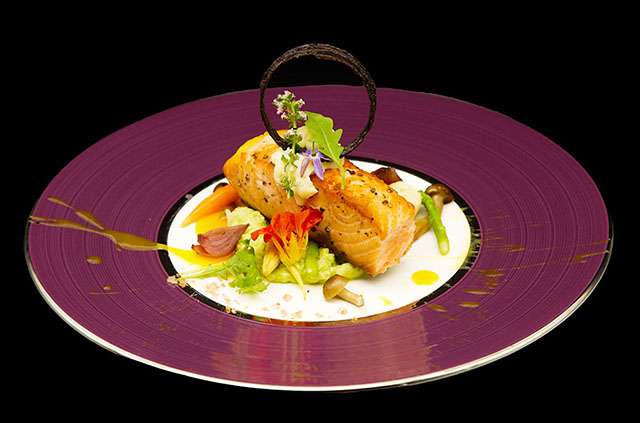
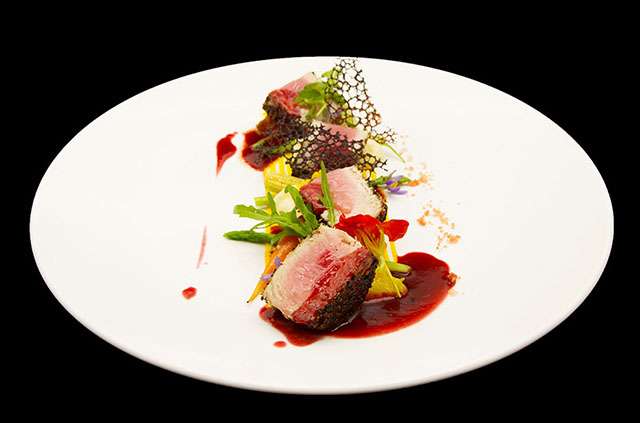
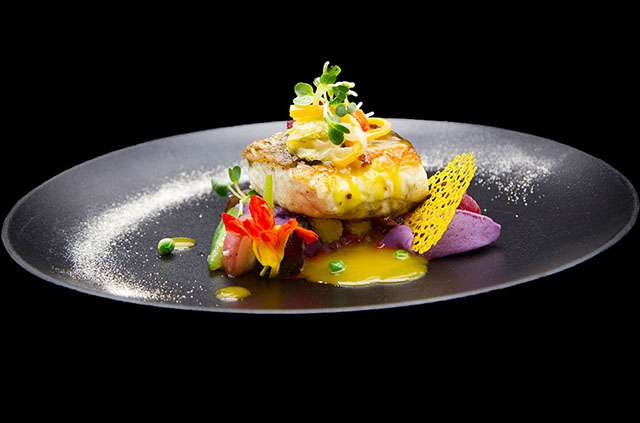
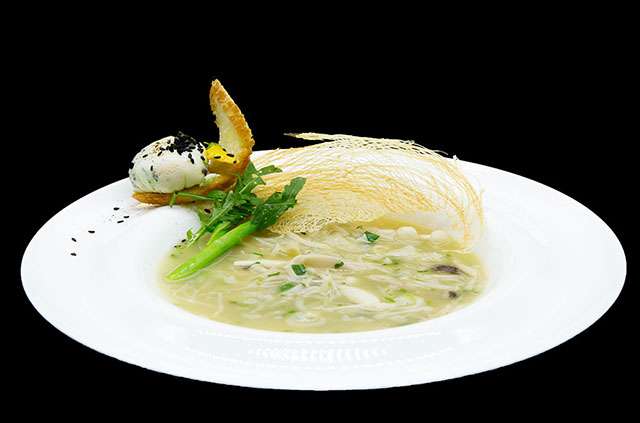
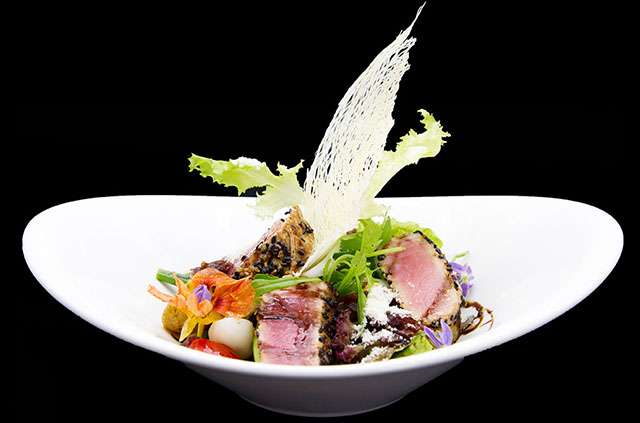
Duong’s menu moves between Vietnamese inspiration and French technique, from rice noodle beef rolls and seafood to tuna steak, mushroom soup and salads. Because the chef-led menu can change, the most reliable pairing starts with what arrives: its glaze, herbs, acidity and char all point towards a different drink.
For Australian diners, many supporting flavours feel familiar. Vietnamese communities around Melbourne’s Footscray and Richmond, Sydney’s Cabramatta and Brisbane’s Teneriffe have made lemongrass, mint, coriander, limes and fish sauce everyday finds in local Asian supermarkets, even when the main course is plated with French restraint.
This guide covers tea, coffee, wine and alcohol-free choices for a duck or chicken order. Ask about sauces and allergens when ordering, since recipes can vary. A small sip, considered against the first bite, is usually more rewarding than committing to a full glass before tasting.
Let the Protein Set the Direction
Start with the protein’s character. Crisp-skinned duck calls for carbonation or lightly bitter tea, while poached or gently steamed chicken benefits from clear water, citrus or a dry, delicate wine. Charred edges also deserve a drink with enough structure to echo smoke rather than merely refresh the mouth.
If the meal moves from a shared seafood plate to poultry, small dining rituals matter as much as the pairing. A sushi etiquette guide offers transferable advice on serving shared food and keeping individual portions separate, so everyone can taste the tuna steak or seafood without the dishes blending together.
Sauce makes the final adjustment. Tamarind or sharp citrus calls for brightness; black pepper suits a bolder red or sparkling wine; and a creamy or coconut sauce can make unsweetened tea taste cleaner by comparison. Read the sauce before choosing from the wine list.
Build Around Aromatics and Acidity
Herbs and acidity are the easiest clues. Coriander, Thai basil, mint and crisp lettuce point towards sparkling water with lime, a dry white wine or chilled jasmine infusion. Cucumber, pickle or salad alongside the meat strengthens the case for a lean, lively drink.
The same counterpoint appears in a European breakfast spread: this croissant coffee and juice guide shows how espresso and fresh juice can balance a rich, flaky pastry. At Duong, a lightly sweetened Vietnamese coffee or fresh citrus drink can play that role beside charcoal-marked chicken, provided sugar does not dominate.
Sweet drinks need greater caution. Condensed milk can blur the savoury nuances in a peppery duck sauce, while a richly sugared juice may make grilled chicken seem heavier. Order tea or coffee lightly sweet and let the lemongrass, lime or ginger notes remain perceptible.
Choose a Drink by Service Style
For composed fine-dining service, begin with still or sparkling water before deciding whether the dish wants tea, coffee, wine or a mixed drink. Sparkling water is particularly useful with fried skin or oily sauces because the bubbles lift the palate between bites.
The French side of the menu opens familiar wine possibilities. A dry white with bright acidity suits chicken with herbs, while a lighter red can complement duck with roasted or peppery notes. Ask the server which grapes and pours are available rather than assuming that a classic Vietnamese pairing will suit the preparation.
Tea offers the most versatile route. Jasmine follows whole grilled chicken, roasted oolong echoes a darker duck glaze, and a citrus tea highball can replace a cocktail when the meal already feels rich. Save strongly sweetened coffee for the end, when its bitterness works as a digestif-like finish.
Make It an Australian Evening
Australian dining habits are worth planning around. BYO is familiar in Melbourne and Sydney, where licensed venues must meet NSW or Victorian liquor rules and generally need approval to serve outside wine. Those state laws do not travel, so confirm Duong’s own policy rather than assuming either BYO or corkage arrangements.
At home, Australia’s legal drinking age is 18 and service staff follow responsible-service rules. Diners are also accustomed to tap water arriving by default, so request still or sparkling water before choosing a paid drink. Either can reset the palate without adding alcohol or sweetness to a rich poultry course.
Friday and Saturday dinner bookings are often claimed weeks ahead, especially for a central District 1 address, so reserve before planning a theatre itinerary or late evening elsewhere. After dinner, the evening river cruise guide offers a natural way to extend the night along Saigon’s illuminated waterfront.
Compare Pairings by Dish Character
A side-by-side comparison keeps the decision focused on flavour rather than a long list of fashionable drinks. Consider the protein, sauce, cooking method and accompaniments, then choose the option that echoes one element while cutting through another.
If a rich course is likely to be followed by dessert, the restaurant’s room for dessert guide helps preserve appetite and avoid an over-ordered finale. A small, lightly sweetened coffee after dessert can be more satisfying than pushing another full glass through the meal.
| Dish character |
Best sip |
Why it works |
Watch for |
| Crisp, peppery duck |
Dry red or sparkling wine |
Echoes roast notes while bubbles cut through fat |
Sweet glazes |
| Herb-grilled chicken |
Dry white wine or sparkling water with lime |
Acidity mirrors the herbs and refreshes the palate |
Creamy sauces |
| Poached chicken with greens |
Chilled jasmine tea or still water |
Keeps the delicate texture and flavours distinct |
Fiery chilli oil |
| Dark-sauce duck or chicken |
Roasted oolong or lightly sweetened Vietnamese coffee |
Roast and bitterness balance a caramelised glaze |
Heavy condensed milk |
Order with Confidence
Ask the server about allergens and ingredients before ordering. Australian diners can request details under established food-safety procedures, and FSANZ guidance makes cross-contamination worth discussing, particularly for dishes involving peanuts or shellfish. Clear information helps the kitchen adapt and the diner enjoy with confidence.
Use this short list when ordering:
- For crisp duck with pepper, choose a dry red or sparkling wine; add tea only if the sauce is not sweet.
- For poached or herb-grilled chicken, choose dry white wine, jasmine tea or sparkling water with lime.
- For a dark glaze, try roasted oolong or lightly sweetened Vietnamese coffee.
- When dining as a group, keep shared portions separate and select one fresh drink to simplify service.
- For an alcohol-free pairing, prioritise citrus, tea and mineral water over syrupy mixes.
Book through Duong Restaurant Saigon’s reservation details, note whether you prefer duck or chicken, and ask which sauce and garnish accompany the chosen dish. Let the first bite guide the final sip, then settle into the cosy atmosphere and attentive service that define this Dong Du Street dining room.