Why Duong Restaurant Saigon Serves Locally Sourced Vegetables
Fresh vegetables are central to Vietnamese cooking. Herbs, leafy greens, mushrooms and crisp seasonal produce bring colour, fragrance and balance to every plate, from a simple salad to a refined seafood dish. At Duong Restaurant Saigon, these ingredients support a chef-led style that combines Vietnamese character with French technique.
The restaurant’s location on Dong Du Street, in the heart of District 1, makes it a convenient choice for visitors exploring Ho Chi Minh City. After walking around Nguyen Hue Walking Street, browsing Ben Thanh Market or visiting the Saigon River, diners can settle into a cosy setting for a carefully prepared meal.
For Australian guests, the emphasis on provenance will feel familiar. People who shop at Queen Victoria Market in Melbourne, Carriageworks Farmers Market in Sydney or Brisbane’s weekend produce markets understand how much better vegetables can taste when they are fresh, seasonal and handled well.
Choosing local produce also reflects the way food is enjoyed in Vietnam. Vegetables are not treated as a background garnish. They provide texture, aroma and contrast, helping rich sauces, grilled meats and seafood feel lighter and more balanced.
Freshness From Nearby Growing Areas
Ho Chi Minh City is surrounded by agricultural areas that supply the city’s restaurants and markets. Vegetables and herbs can reach kitchens quickly, reducing the time they spend in storage and helping preserve their natural crispness, colour and perfume.
This matters in a warm, humid climate. Delicate herbs can lose their fragrance rapidly, while leafy greens may become limp when transported or stored for too long. Working with nearby suppliers allows a restaurant kitchen to respond more closely to the day’s harvest and the quality available.
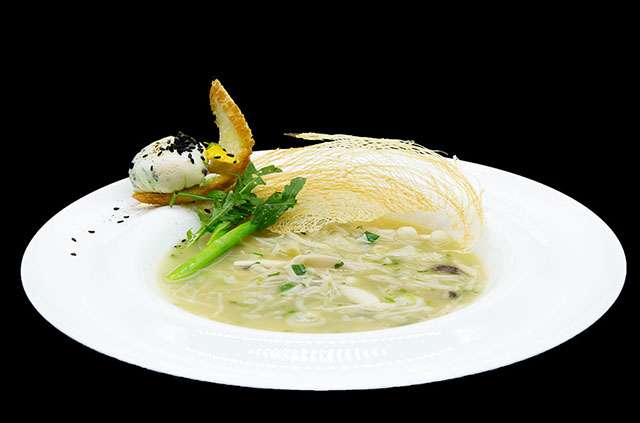
Local sourcing also gives the chef greater control. Instead of relying on produce selected solely for long shelf life, the kitchen can choose ingredients for flavour, tenderness and appearance. That approach suits a menu built around fresh salads, mushroom soup, seafood and Vietnamese-inspired dishes.
Vegetables That Shape Vietnamese Flavour
Vietnamese cuisine depends on a lively mix of textures. Bean sprouts add crunch, herbs bring freshness, and greens can soften the richness of grilled or pan-seared ingredients. Mushrooms contribute savoury depth, while cucumber and other crisp vegetables create a cooling contrast.
At Duong Restaurant Saigon, these qualities help define dishes such as rice noodle beef rolls and salads. The vegetables have a culinary purpose: they refresh the palate, carry aromatic herbs and make each mouthful feel more layered.
For Australian diners accustomed to produce-driven cooking, the difference is easy to recognise. A tomato from a good market stall, a bunch of Thai basil picked recently or mushrooms stored carefully can change the whole impression of a dish. The same principle applies to Vietnamese ingredients.
A Natural Fit For French-Vietnamese Cooking
French culinary influence often brings attention to sauces, knife work, presentation and precise cooking. Vietnamese food contributes herbs, acidity, fresh vegetables and a strong sense of balance. Locally sourced produce allows both traditions to work together without losing their identity.
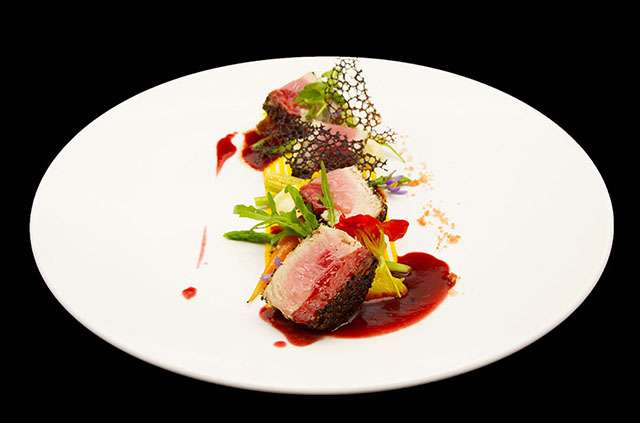
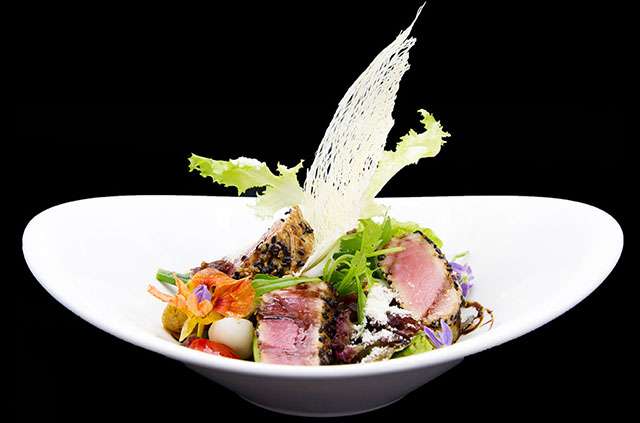
A well-prepared vegetable can provide the acidity needed beside tuna steak, the softness required in a soup or the crisp edge that lifts a richer sauce. This creates a more complete plate while keeping the ingredients recognisable.
The result is a style that feels polished without becoming overly formal. Guests can enjoy a refined meal while still tasting the freshness associated with Vietnamese home cooking and street food.
Better Texture, Colour And Aroma
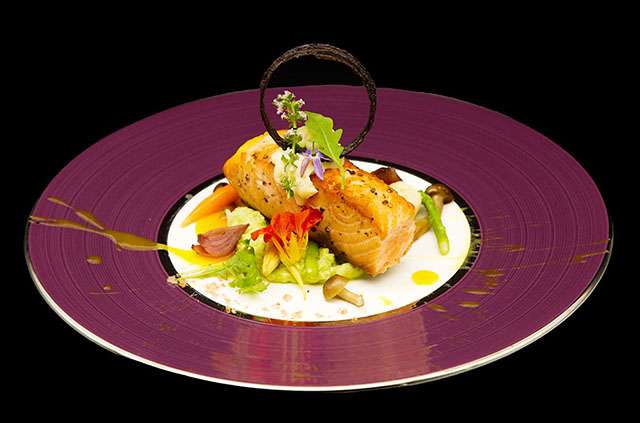
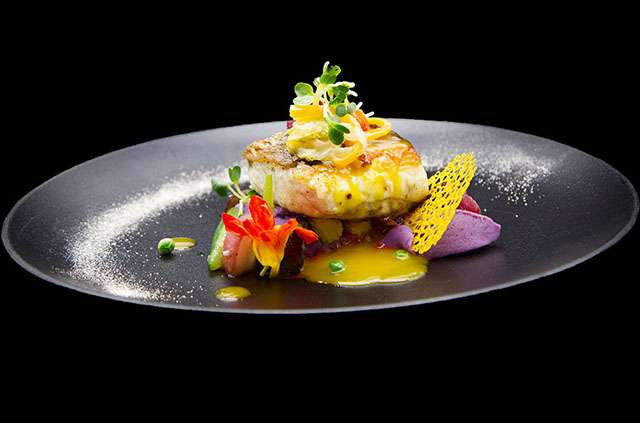
Fresh vegetables make a visible difference before the first bite. Bright greens, vibrant herbs and carefully cut produce give a plate energy and make the meal feel inviting. In fine dining, this visual freshness supports the restaurant’s wider attention to presentation.
A shorter journey from farm to kitchen can also protect texture. Crisp vegetables remain crisp, herbs retain their scent and mushrooms can be cooked at the right point rather than being used simply because they have been stored for too long.
This is particularly valuable in dishes served at different temperatures. A cool salad, warm soup and hot seafood plate each need vegetables with a specific texture. Local availability gives the kitchen more opportunity to select the right ingredient for each preparation.
Supporting Regional Producers
Buying from nearby growers keeps more of the food supply chain connected to the region. It gives farmers and produce suppliers a dependable restaurant market while allowing chefs to build relationships based on quality and consistency.
The model will resonate with Australians who support local growers through independent grocers, community markets and seasonal buying. It is similar to choosing Victorian stone fruit in summer or Tasmanian vegetables when they are at their best, rather than expecting every item to be available in the same form all year.
For visitors, this also adds a sense of place. Eating local vegetables in Saigon is part of experiencing the city itself, much like ordering regional seafood on the coast or visiting a farmers market while travelling through Australia.
A More Responsible Dining Choice
Local sourcing can help reduce unnecessary transport and excessive packaging, although the environmental impact of any ingredient depends on farming, refrigeration and distribution. The practical benefit is that a restaurant can make careful purchasing decisions based on what is available nearby.
Seasonal buying can also reduce waste. When vegetables arrive at their best, chefs can use them across salads, soups, garnishes and main courses instead of trying to rescue produce that has passed its peak.
Guests looking for a thoughtful Saigon itinerary can pair a meal with the Saigon street food guide, then compare the informal energy of street stalls with the composed style of a restaurant kitchen.
What Diners Can Expect At The Table
Vegetable-led freshness does not mean the menu is limited to vegetarian dishes. It means vegetables are given enough attention to support seafood, beef and other ingredients properly. Diners may notice a cleaner finish, brighter aromas and more contrast between elements.
The restaurant’s cosy atmosphere makes this approach suitable for several occasions, from a relaxed dinner after sightseeing to a special meal during a longer stay in District 1. Guests can explore the menu at Duong Restaurant Saigon while considering the balance of vegetables, seafood, noodles and French-inspired presentation.
| Ingredient focus |
How it contributes |
Where Australian diners may recognise the idea |
| Fresh herbs |
Aroma, brightness and a clean finish |
Market herbs used immediately at home |
| Leafy greens |
Softness, colour and balance |
Seasonal greens from local grocers |
| Mushrooms |
Umami depth and a meaty texture |
Produce selected for freshness rather than storage life |
| Crisp vegetables |
Crunch and cooling contrast |
Salad ingredients bought at weekend markets |
| Seasonal produce |
Better flavour and less waste |
Buying what is abundant at Queen Victoria Market or a local farmers market |
A meal at Duong Restaurant Saigon offers more than a convenient place to eat in central Ho Chi Minh City. It shows how local vegetables can connect Vietnamese ingredients, regional agriculture and modern restaurant technique. For diners who value fresh produce and a clear sense of place, that connection makes the experience especially rewarding.
Reserve a table on Dong Du Street and enjoy Vietnamese-French cooking shaped by the season, the local supply chain and the natural character of fresh vegetables. Planning a wider evening around the city? The restaurant’s casino feature guide can also help you organise nearby entertainment by preference.