Why the broth at Duong Restaurant Saigon tastes different every day
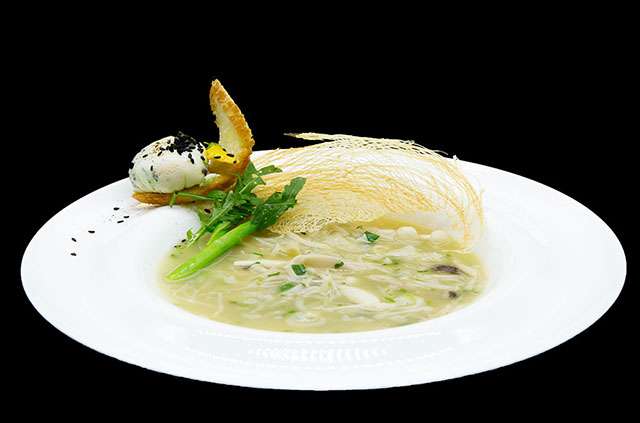
In the heart of District 1, Ho Chi Minh City, a pot of simmering broth tells a different story each morning. At Duong Restaurant Saigon on Dong Du Street, the liquid foundation of countless dishes shifts subtly from one service to the next, drawing curious diners who return specifically to decode what has changed.
For Australian travellers planning a culinary pilgrimage to Southeast Asia, this daily variation is more than a novelty. It mirrors the appreciation for provenance and seasonality that defines modern Australian dining, from the farm-to-table movement in Byron Bay to the meticulous sourcing at Melbourne's top eateries. Understanding why each bowl carries a distinct fingerprint adds a rich layer to the travel experience.
The restaurant's chef-led menu embraces Vietnamese traditions while weaving in French techniques inherited from the colonial era. This fusion shapes every aspect of the kitchen, especially the broths that anchor soups, stews, and slow-simmered pots. The philosophy rejects uniformity in favour of authenticity and a quiet responsiveness to the day.
Walking past the marble columns and vintage photographs inside the dining space, guests often notice the aromatic steam rising from the open kitchen. That aroma is the first clue that something living is happening in the pots, and the story behind it reveals much about the soul of Vietnamese-French fusion.
The philosophy of a living broth
At Duong Restaurant Saigon, broth is treated as a living ingredient rather than a static base. The culinary team adjusts recipes based on the morning's market haul, the humidity levels, and even the mood of the head chef. This fluid approach contrasts with the industrial consistency favoured by large chain restaurants, and it resonates with Australian chefs who have long championed variability as a marker of craft.
The kitchen staff begins each day by tasting the previous night's stock, noting how it has evolved overnight. This practice of mindful tasting echoes techniques taught at culinary schools in Adelaide and Perth, where sensory training forms a core part of the curriculum. By the time service begins, the broth has already undergone multiple adjustments.
Unlike pre-packaged bouillon cubes or frozen concentrates, the broth here relies on bones roasted that morning, aromatics bruised by hand, and water drawn from the same supply that serves the entire building. This commitment to freshness means the flavour profile can never be exactly replicated, even if the written recipe remains consistent.
Seasonal ingredients from Vietnamese markets
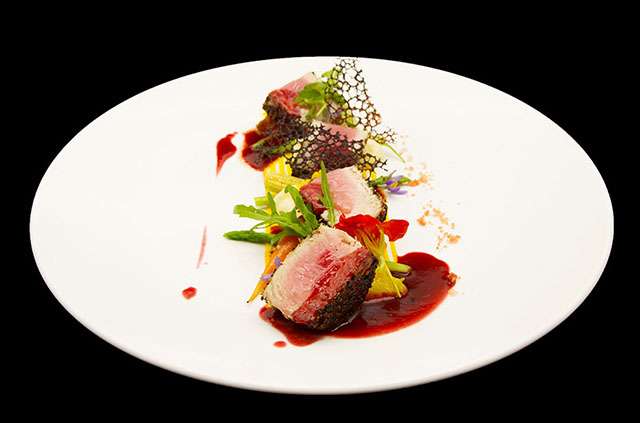
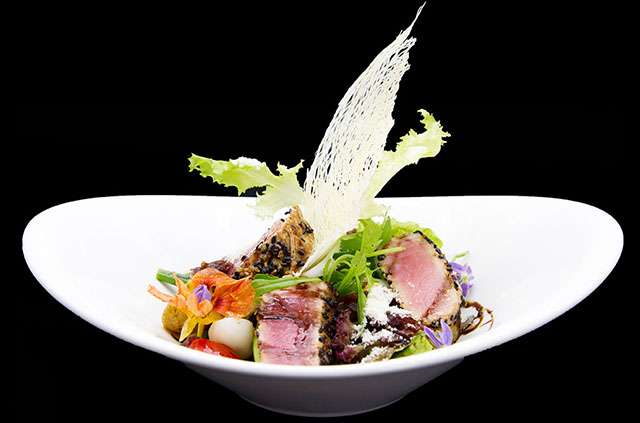
Saigon markets operate on a rhythm that few outsiders fully grasp. Star anise, cinnamon, and cloves arrive in waves depending on the harvest in the Central Highlands, while fish sauce varies in salinity based on the anchovy catch off the coast. The broth at the restaurant's tuna steak ingredients absorbs these fluctuations naturally.
During the rainy season, the herbs carry more water content, which dilutes certain aromatics and requires the chefs to recalibrate their ratios. In dry months, the same herbs become more concentrated, demanding restraint instead. The kitchen team has learned to read these signals intuitively, much like a barista in a Surry Hills café adjusting espresso shots for the morning humidity.
The restaurant sources its beef bones from specific provinces, and when supply tightens, the broth takes on a slightly gamier profile. When pork bones are abundant, the base becomes rounder and sweeter. These variations are subtle but discernible to attentive palates.
The daily ritual of simmering
Each morning begins at four in the morning, when the first bones hit the pot. The heat is applied gradually, allowing the proteins to coagulate slowly and create a clear liquid foundation. This low-and-slow approach is similar to the technique used by traditional pasta makers, where patience defines quality.
Throughout the day, the broth is skimmed, tasted, and adjusted. Fish sauce might be added at noon, rock sugar at three in the afternoon, and a final handful of charred ginger just before service. Each addition is documented in a worn notebook that has become an unofficial record of the restaurant's evolution.
The chefs rarely follow the same recipe twice. Instead, they respond to the ingredients, the weather, and the demands of the day's reservations. This improvisational ethic connects the kitchen to the jazz clubs celebrated by Blue Evolution NYC, where musicians riff on standards rather than reproducing them exactly.
Comparing broth traditions around the world
| Tradition |
Base ingredients |
Cooking time |
Daily variation |
Defining trait |
| Vietnamese pho |
Beef bones, star anise, cinnamon |
6 to 12 hours |
Moderate, seasonal |
Aromatic and spiced |
| French consommé |
Chicken or beef, mirepoix |
4 to 6 hours |
Low, clarified |
Clear and refined |
| Italian brodo |
Mixed meats, vegetables |
3 to 4 hours |
Low, regional |
Hearty and rustic |
| Japanese dashi |
Kombu, katsuobushi |
20 to 40 minutes |
Very low |
Umami and delicate |
| Duong Restaurant Saigon |
Beef and pork bones, French aromatics |
8 to 10 hours |
High, intentional |
Adaptive and fused |
The table illustrates how the restaurant's approach occupies a unique space. While Italian brodo relies on regional consistency and Japanese dashi prizes minimal intervention, the broth here actively fluctuates based on deliberate choices. This positions the kitchen closer to a living artwork than a static recipe.
For diners, this means each visit offers a genuine discovery. The broth might lean sweet on a warm afternoon or carry more pepper on a cool evening. This variability has become part of the restaurant's identity and a reason for its devoted following.
Weather, water, and atmosphere
Ho Chi Minh City's tropical climate plays a significant role in how the broth develops. During the monsoon months, the air carries more moisture, which affects how aromatics release their oils. The kitchen compensates by adjusting cooking times and temperatures, much like how the seasonal shifts in the Barossa come to mind for sommeliers discussing vintage differences.
The mineral content of the local water supply also shifts subtly throughout the year. While most diners would never notice, the chefs claim they can detect these changes in the finished broth. This sensitivity is cultivated over years of tasting and represents one of the most refined skills in the kitchen.
Even the mood of the kitchen influences the final product. On busy nights when the dining room hums with conversation, the staff moves with urgency, and the broth is pushed harder. On quiet afternoons, the simmer is gentler, producing a more delicate flavour profile that rewards those paying close attention.
The French colonial fingerprint
Vietnam's culinary heritage carries unmistakable traces of French colonialism, and the broth at this restaurant reflects that legacy. The use of bouquet garni, mirepoix, and careful reduction techniques comes directly from French tradition, adapted to local ingredients. This fusion creates a broth that is simultaneously familiar and foreign to palates trained in European cuisine.
For Australian diners accustomed to the bold reductions of French bistros in Melbourne or the delicate consommés served in Brisbane's fine dining establishments, this hybrid approach offers an intriguing middle ground. The broth carries the backbone of Vietnamese pho combined with the refinement of a French pot-au-feu, creating something genuinely cross-cultural.
The chefs studied various French techniques during their training, and they apply these methods with respect rather than imitation. The result is a broth that honours both traditions while standing firmly in its own territory, shaped by Vietnamese ingredients and the particular conditions of each Saigon morning.
A perspective from Australian travellers
Australians visiting Ho Chi Minh City often seek authentic experiences that distinguish their trip from generic tourism. The broth at Duong Restaurant Saigon offers exactly that: a taste that cannot be reproduced elsewhere or even the following morning. Travellers from Brisbane and Perth frequently mention this variability as a highlight of their culinary adventures.
The restaurant's location near various cultural landmarks, including the Mariamman Hindu Temple, makes it a convenient stop during a day of exploration. Visitors can wander the bustling lanes, absorb the spiritual atmosphere of the temple, and then settle into the cool, refined dining room for a bowl of something extraordinary.
Many Australian guests have noted that the broth reminds them of the varied terroir expressions they appreciate in Australian wines. Just as a Penfolds Bin from a strong vintage differs from a weaker one, each day's broth carries the signature of its specific conditions, making repeat visits a rewarding exercise in sensory comparison.
Factors shaping each day's broth profile:
- Freshness of market ingredients that morning
- Intensity of bone roasting before simmering
- Duration and temperature of the gentle heat
- Weather and humidity in the open kitchen
- Last-minute adjustments by the head chef
Sensory notes to watch for during your visit:
- The clarity and amber colour of the liquid
- The aroma of charred ginger meeting a careful palate
- The balance of sweet, salty, and umami
- The finish, which may linger or fade quickly
Reserve a table at Duong Restaurant Saigon and experience the broth that cannot be bottled or standardised. Located on Dong Du Street in District 1, the restaurant welcomes guests seeking authentic Vietnamese-French fusion shaped by the rhythms of the market, the weather, and the skilled hands of its chefs. Bring your curiosity, return on different days, and taste how each morning writes a new chapter in the pot.