Why Duong Restaurant Saigon’s Pork Belly Melts in Your Mouth
Vietnamese cooking often balances deep savoury flavours with herbs, acid and contrasting textures. On a fine-dining plate, pork belly becomes especially compelling: its rich character can showcase caramelisation while fresh elements keep the dish lively.
At Duong Restaurant Saigon on Dong Du Street, the chef-led kitchen brings Vietnamese ideas into a French fusion setting. The answer to why the Caramelized Pork Belly at Duong Restaurant Saigon Melts in Your Mouth is contrast: lacquered caramel meets yielding meat, while aromatic accompaniments sharpen the richness.
Caramel, heat and tenderness
First, the caramelised surface creates a thin, sweet, deeply browned shell. It gives the first bite a crisp edge and a concentrated caramel note, setting up a memorable contrast with the softer centre. The same controlled heat that browns the exterior gradually renders the fat and softens connective tissue.
| Element |
A classic pork belly |
Duong Restaurant Saigon’s serving |
| Surface |
Deeply browned, crisp and sticky |
A defined caramelised edge with concentrated sweetness |
| Centre |
Rich fat and tender meat |
A yielding interior that becomes almost fluid |
| Flavour |
Sweet smoke and pork dominate |
Caramel depth sits within a Vietnamese-French menu |
| Balance |
Often paired with rice and greens |
Fresh salads, seafood and aromatics provide lift |
| Occasion |
Familiar barbecue or shared-food dish |
Chef-led fine dining on Dong Du Street |
The melt comes from what happens beneath that crust. Slowly rendered fat becomes glossy and spreads over the fibres, while collagen-rich layers turn tender enough to pull apart with little resistance. A brief rest allows the juices to settle, and serving the pork warm preserves the contrast between the crisp exterior and the fluid, succulent interior. Small bites make the change in texture easier to notice.
Vietnamese and French flavours in balance
The fusion works because the two culinary traditions complement rather than compete. French technique contributes precision, balance and restrained presentation; Vietnamese flavours bring fragrant herbs, citrus, char and depth. This combination shapes the broader Duong Restaurant Saigon menu and gives the pork belly a clear place within it.
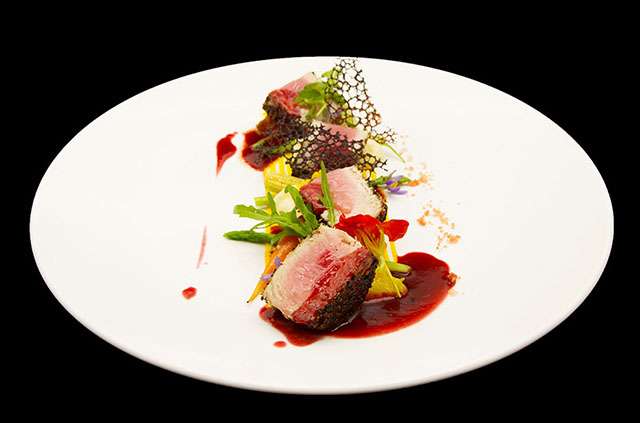
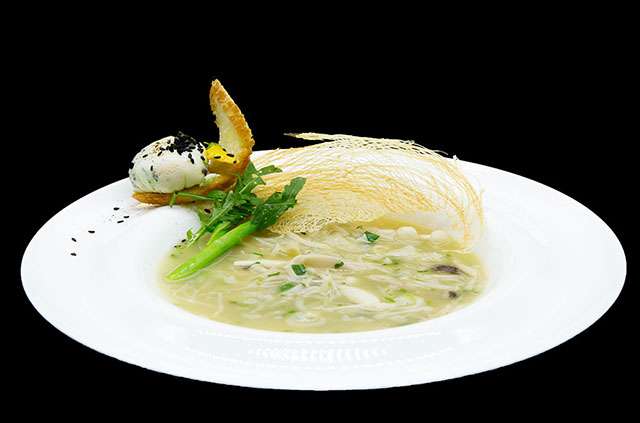
Rich pork also benefits from the menu’s breadth. Seafood, tuna steak, mushroom soup and salads can provide different textures and levels of intensity, while acidity and fresh herbs cut through the fat. The result is not a heavy plate surrounded by decoration, but a sequence in which richness, brightness and savoury depth can be balanced across the meal.
Why the texture feels plush
A revealing example of the kitchen’s aromatic thinking appears in its guide to butter and lemongrass pairing. Butter rounds a sauce with mellow richness, while lemongrass contributes a citrusy, floral note. Applied as a broader principle, that pairing helps explain how fat can carry aroma rather than simply add weight.
Texturally, pork belly is unusually rewarding. Alternate layers of meat and fat respond differently to heat: the lean portions become succulent, the fat softens, and collagen-rich material becomes gelatinous. At the right serving temperature, the centre feels almost fluid, yet the caramelised border still resists with a light crack. Cutting smaller pieces lets the diner move through those sensations gradually.
An Australian perspective on the plate
For Australian diners, Vietnamese food is already familiar. Sydney’s Little Saigon and Melbourne’s Victoria Street have long celebrated it, while suburban barbecue traditions make crisp pork skin and tender, fatty meat instantly recognisable. That experience creates a useful reference point for understanding the pleasure this dish delivers.
Dining customs also carry across the Pacific. Sydney and Melbourne diners commonly reserve popular restaurants for dinner and treat weekends as an occasion for a long lunch. At Duong, the pork belly works particularly well as a shared centrepiece, allowing everyone to try the first crisp edge and then explore the softer centre.
Fresh-produce markets such as Melbourne’s Queen Victoria Market offer another Australian lens: ingredients are judged by ripeness, aroma and seasonality. Taverna Santi’s seasonal menu philosophy makes the same point from a restaurant perspective, showing why changing ingredients can create variety without relying on novelty. It is a useful idea to carry into a Saigon meal, where each dish should feel intentional.
How to order the pork belly
A thoughtful order helps the dish shine, especially when several people are sharing the meal.
- Reserve ahead for dinner and choose a relaxed time to enjoy the full menu.
- Order the pork belly as the shared centrepiece rather than as an isolated side.
- Begin with a fresh salad to sharpen the palate before the richer courses arrive.
- Add a seafood dish or tuna steak for contrast in flavour and texture.
- Let the first piece cool briefly, then notice how its texture changes bite by bite.
Leave enough space for the restaurant’s other preparations, including noodle dishes, soups and seafood, and request guidance on which pairing the chef currently recommends. Sharing several small plates lets the kitchen’s contrasting flavours build gradually rather than competing with the pork belly.
Savour a memorable Saigon dinner
For a celebratory meal with friends, hosting a hibachi night offers a useful reminder that shared dishes and lively presentation can make dinner feel like an event. Duong’s refined setting and chef-led menu create a similar sense of occasion, with the caramelised pork belly as its most conversation-starting plate.
Reserve a dinner at Duong Restaurant Saigon on Dong Du Street, check the current menu and booking details, and plan to arrive with enough time to savour the experience. Order the pork belly for the centre of the meal, bring someone you enjoy dining with, and let the crisp edge and tender centre make an evening in District 1 genuinely memorable.