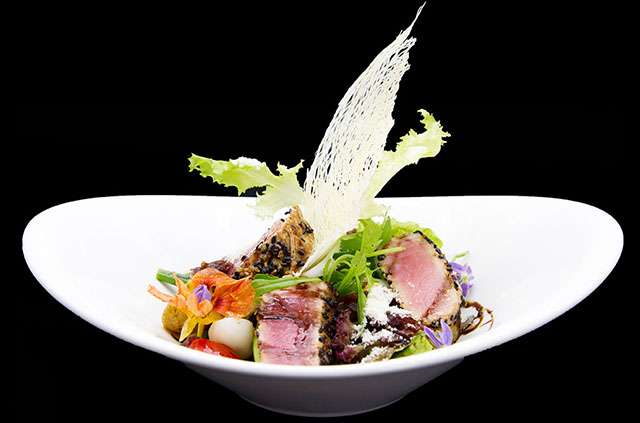
Why tuna steak at Duong Restaurant Saigon pairs perfectly with citrus
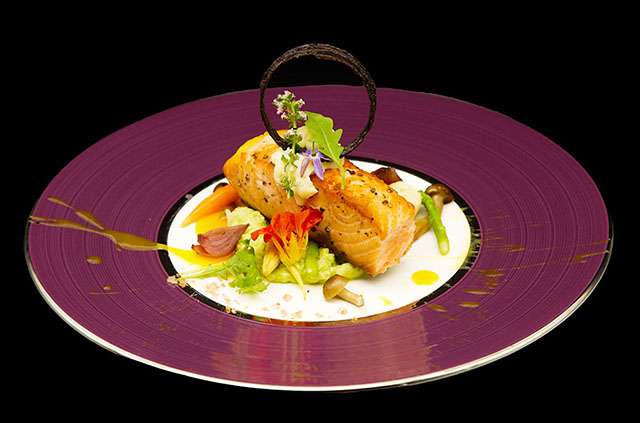
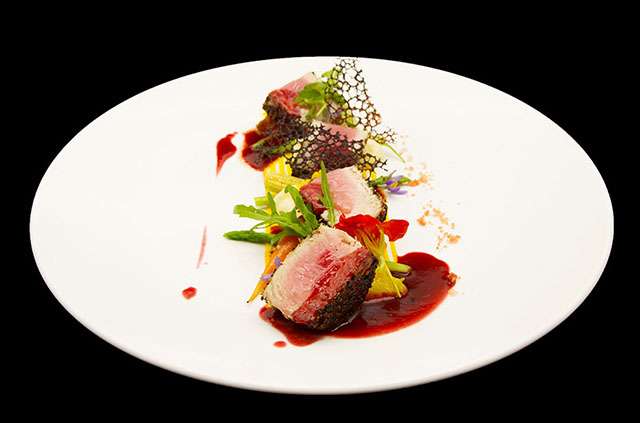
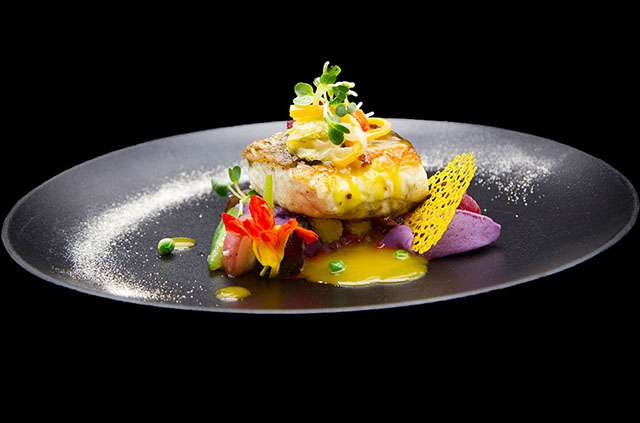
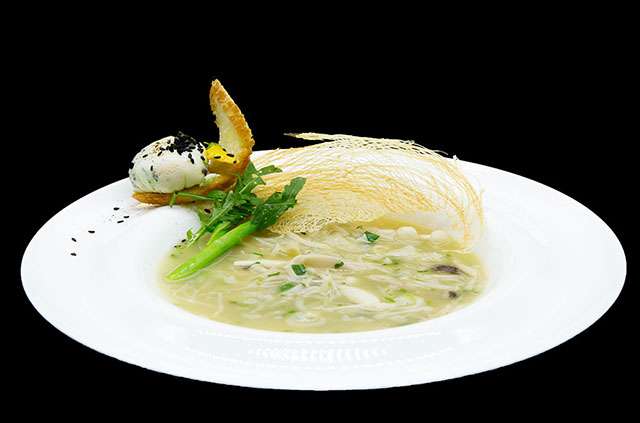
Duong Restaurant Saigon brings Vietnamese flavours and French technique together on Dong Du Street in District 1, Ho Chi Minh City. Its chef-led menu includes tuna steak, seafood, salads, mushroom soup and rice noodle beef rolls. The tuna steak with citrus stands apart because the fruit does more than sharpen the fish: it restores brightness, lifts its aroma and gives each bite a cleaner finish.
Rich tuna carries a rounded, buttery depth that can feel heavy on its own. Citrus answers with acidity, fragrance and a little bitterness, creating contrast without hiding the quality of the fish. A balanced sauce or wedge also refreshes the palate between richer dishes, making the course feel composed rather than simply fiery.
The combination belongs naturally in Duong’s fusion identity. Vietnamese citrus, herbs and clean dressings meet French ideas of sear, sauce and careful presentation. That meeting suits a cozy fine-dining room, where familiar Vietnamese flavours arrive with the polish expected from a contemporary chef’s kitchen.
The pairing is best approached as a study in texture and temperature. A warm, seared exterior meets a tender centre, while citrus supplies a cool aromatic edge. For visitors planning a Saigon meal, the dish offers a memorable bridge between the restaurant’s Vietnamese roots and its French influences.
Citrus sharpens the tuna’s richness
Tuna steak has a savoury centre that works beautifully with a bright acidic note. Seared edges contribute toasted depth, while the flesh remains soft and meaty. Lemon or another citrus cuts through that density, allowing the tuna to taste lighter while preserving its satisfying weight.
The fruit also controls the flavour of any accompanying sauce. Citrus oil carries fragrant compounds towards the fish, and its acidity balances salt, pepper or rich dressing. The result is layered rather than harsh, especially when the citrus is fresh and used with restraint.
Vietnamese brightness meets French precision
Vietnamese cooking frequently uses citrus to wake up salty, herbal and grilled ingredients. Lime, calamansi and lemon can provide acidity, while orange brings gentle sweetness to dressings and seafood dishes. Duong Restaurant Saigon develops this familiar flavour language through a chef-led menu influenced by French technique.
Searing gives tuna steak the focused flavour expected from a contemporary kitchen, while citrus prevents the fish from becoming the heaviest element in the course. The combination echoes the restaurant’s broader menu, including seafood, mushroom soup and composed salads.
For visitors who cannot dine in, checking current delivery options can help confirm what is available before making plans. Availability may vary, so anyone hoping to experience the tuna steak in its full restaurant setting should contact Duong directly.
Choosing the right citrus expression
No citrus variety creates exactly the same effect. Lemon offers straightforward acidity, lime feels sharper and more floral, orange contributes mellow sweetness, and calamansi provides a distinctly Vietnamese aromatic quality. Each works differently with tuna and with the accompaniments chosen by the kitchen.
| Citrus |
Principal flavour |
Effect with tuna steak |
Ideal expression |
| Lemon |
Clean, bright acidity |
Cuts richness and restores freshness |
Simple wedges or a light dressing |
| Lime |
Sharp, floral aroma |
Heightens herbs and grilled flavours |
Vietnamese-style dressing or sauce |
| Orange |
Soft sweetness and fragrance |
Softens salt while retaining brightness |
Glaze, salad or refined accompaniment |
| Calamansi |
Fragrant acidity with gentle bitterness |
Adds complexity without dominating the fish |
Light dressing or aromatic finish |
The best choice depends on the preparation as much as personal taste. A strongly seasoned sauce may benefit from lemon or calamansi, whereas orange can complement a sweeter glaze. Diners with a preference for less bitterness can begin with a milder citrus and add more gradually.
Why the pairing suits Australian diners
Australian diners in Sydney, Melbourne and Brisbane are accustomed to tuna served fresh at fish markets, frozen for home cooking, canned, or prepared as sushi and sashimi. Supermarkets and Asian grocers also stock tuna steaks and loins, making the ingredient familiar even before a trip to Vietnam.
Weekend long lunches, shared dishes and advance reservations are common across Australia’s restaurant culture. Tuna steak with citrus fits those habits particularly well: it feels restaurant-worthy, works as a shared centrepiece, and offers a lighter counterpoint to heavier fried or grilled dishes.
Food standards add another layer for Australian readers. The national Food Standards Code sets requirements for labelling and food safety, while state and territory authorities oversee compliance. Commercial seafood imports must meet biosecurity and cold-chain controls, and travellers cannot casually bring fresh fish into Australia.
Many shoppers also compare sustainability certifications, fishing origins and traceability when choosing tuna. Those same priorities make a chef-led tasting menu more persuasive, since careful sourcing and precise preparation can reveal differences between fish and cut that packaged products often conceal.
Planning a polished Saigon dinner
Duong’s location on Dong Du Street makes the restaurant a natural part of a District 1 evening. Guests can begin with a Vietnamese-inspired salad or seafood course before moving into richer plates. The beef roll guide offers useful context for the kitchen’s noodle work and signature flavours.
The room’s atmosphere is part of the experience. Diners seeking a relaxed view can consult the best seats guide, while food-focused guests may prefer quieter seating and time to appreciate the sauces and garnishes.
Tuna availability may depend on the chef’s daily menu and supply. Advance reservation information allows the restaurant to prepare for guest preferences, particularly when citrus choice, doneness or dietary requirements matter. A request for the tuna steak with citrus is best handled before arrival rather than assumed on the night.
Reserve your evening at Duong
Guests planning a special meal should reserve a place at Duong Restaurant Saigon and ask whether the citrus-paired tuna steak is included in the evening’s selections. Checking upcoming events can also reveal special menus and useful service updates before choosing a date.
Allow time to settle into the cozy setting, explore the chef-led menu and experience the contrast between rich tuna and fragrant citrus. Reserve your evening on Dong Du Street and savour a pairing that captures both Vietnamese brightness and French precision.