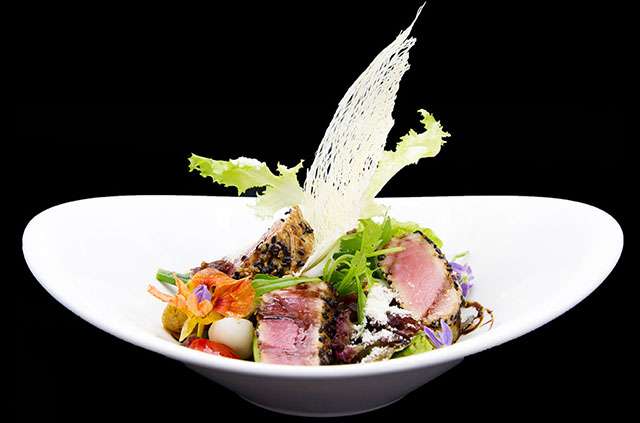
Why Tuna Steak Belongs On Your Duong Restaurant Saigon Itinerary
Tuna steak brings together the qualities many diners look for in a memorable main course: a clean seafood flavor, a firm yet tender texture, and enough versatility to pair with bright herbs, vegetables, and carefully balanced sauces. At Duong Restaurant Saigon, this familiar ingredient fits naturally into a menu shaped by Vietnamese inspiration and French culinary technique.
Located on Dong Du Street in District 1, the restaurant offers a fine-dining setting where presentation, service, and ingredient quality receive careful attention. The tuna steak is an appealing choice for travelers who want something elegant without losing the fresh, vibrant character associated with Vietnamese cuisine.
Its appeal also comes from its versatility. Whether you are exploring Ho Chi Minh City for the first time or searching for a refined seafood dinner, this dish provides a distinctive way to experience the restaurant’s chef-led approach.
A Refined Take On Seafood
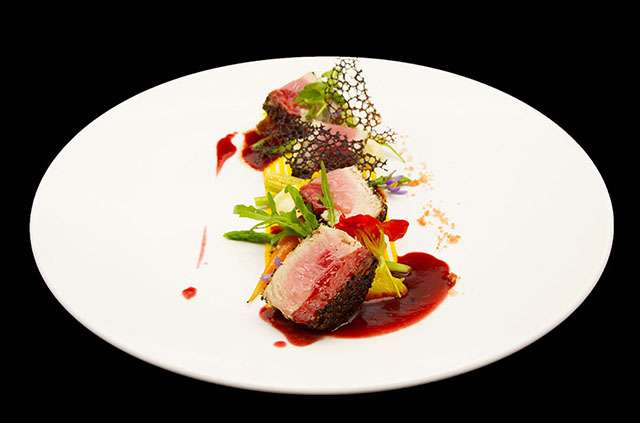
Tuna has a naturally rich flavor, but it is lighter and cleaner than many heavily seasoned seafood dishes. When prepared as a steak, it develops a lightly seared exterior while retaining a moist center. That contrast gives the dish a satisfying texture without making it feel heavy.
This balance suits Duong Restaurant Saigon’s Vietnamese and French fusion identity. French-inspired cooking often emphasizes precise preparation and restrained presentation, while Vietnamese cuisine contributes freshness, herbs, acidity, and aromatic depth. Tuna steak can bring these elements together in a single composed plate.
The result is a main course that feels polished but still connected to the coastal and ingredient-focused traditions of Vietnam. It offers sophistication through technique rather than relying on overly rich flavors.
Fresh Flavor With A Vietnamese Character
Vietnamese food is known for contrast: savory flavors meet citrus, herbs meet heat, and crisp vegetables balance richer ingredients. These principles work especially well with tuna, whose delicate flavor can be enhanced rather than concealed by fresh accompaniments.
A well-balanced tuna dish may be supported by seasonal vegetables, fragrant herbs, a light sauce, or a subtle Vietnamese seasoning profile. Each addition should allow the fish to remain the focus. The goal is not to overwhelm the tuna, but to give its clean flavor greater dimension.
For visitors accustomed to European-style seafood, this combination offers something familiar and new at the same time. The steak format feels recognizable, while the surrounding flavors create a distinctly Saigon dining experience.
Texture, Searing, And Presentation
The pleasure of tuna steak begins with texture. A carefully seared surface provides a gentle contrast to the tender interior, making each bite more interesting than a uniformly cooked fish fillet. This preparation also highlights the importance of timing and temperature in the kitchen.
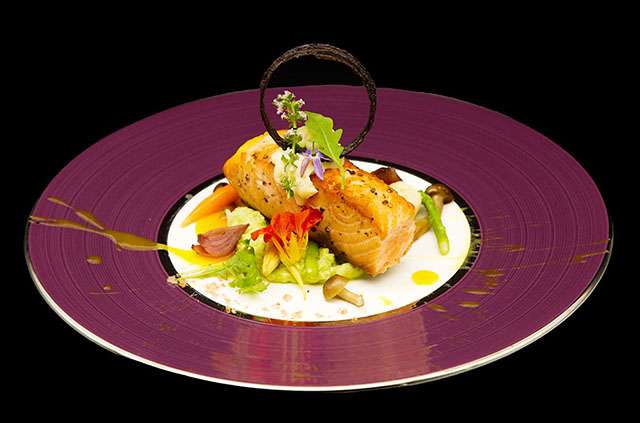
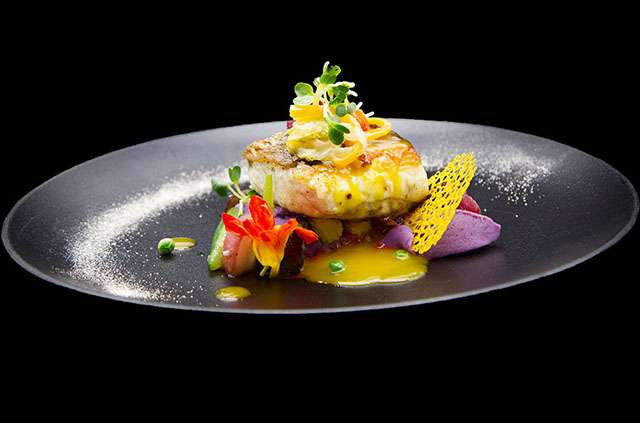
Presentation adds another layer to the experience. In a fine-dining restaurant, the arrangement of the fish, sauce, vegetables, and garnish helps communicate how the dish is meant to be enjoyed. Clean plating can make the meal feel lighter, while thoughtful color and texture create visual appeal before the first bite.
For diners who appreciate culinary detail, tuna steak is a useful window into the restaurant’s style. It demonstrates how a simple central ingredient can become an elegant dish through careful cooking and composition.
| Feature |
Tuna Steak |
Heavier Seafood Entrée |
| Flavor |
Clean, rich, and naturally savory |
Often stronger or more intensely seasoned |
| Texture |
Firm exterior with a tender center |
May be softer, denser, or creamier |
| Pairing Potential |
Works with herbs, citrus, vegetables, and light sauces |
Often needs bolder or richer accompaniments |
| Dining Experience |
Refined and balanced |
More substantial and filling |
| Best For |
Guests seeking a sophisticated but approachable main course |
Diners looking for a more indulgent plate |
A Strong Choice For Different Diners
Tuna steak can suit several types of restaurant guests. Seafood lovers may appreciate its direct, clean flavor, while diners who usually choose meat can enjoy its steak-like structure and satisfying bite. It is also a practical option for anyone seeking a main course that feels substantial without being excessively rich.
The dish works well for a quiet dinner, a special occasion, or a meal shared with visitors who want to explore Vietnamese-inspired cooking. Because tuna has a recognizable flavor, it can be an easy starting point for guests who are less familiar with regional ingredients.
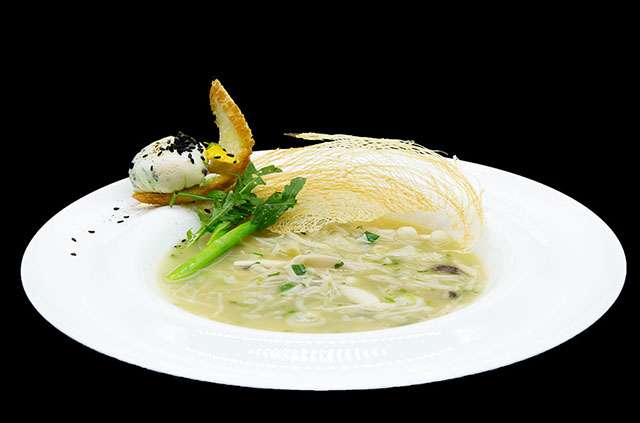
When planning a group meal, tuna steak also creates a useful contrast with other dishes on the menu, such as seafood selections, salads, mushroom soup, or Vietnamese-style rice noodle beef rolls. A varied order allows everyone to experience different textures and flavor profiles.
The Setting Makes The Dish More Memorable
Food is influenced by its surroundings, and Duong Restaurant Saigon’s cozy atmosphere creates the right setting for a thoughtfully prepared seafood course. Dining on Dong Du Street places guests in the center of District 1, while the restaurant provides a more composed environment away from the pace of the city streets.
Fine dining is often about the complete sequence: arriving, settling in, receiving attentive service, and enjoying dishes at an unhurried pace. Tuna steak benefits from this kind of setting because its appeal lies in subtle preparation rather than dramatic heaviness.
If you are arranging a birthday dinner, business meal, or evening with friends, the restaurant’s reservation information can help you plan ahead. Booking is especially useful when you want the meal to fit smoothly into a busy Ho Chi Minh City itinerary.
A Taste Of Saigon Beyond The Plate
Choosing tuna steak can also be part of a broader effort to understand the food culture of Ho Chi Minh City. The city’s dining scene brings together local traditions, international influences, modern presentation, and ingredients from across Vietnam.
Duong Restaurant Saigon reflects this spirit through its Vietnamese and French fusion menu. The tuna dish is not necessarily a traditional street-food preparation, but it represents how contemporary restaurants interpret local culinary identity for both residents and international visitors.
Before or after dining, travelers can explore more about the country through these Vietnam facts and questions. Learning about regional customs, ingredients, and everyday food traditions can make a restaurant visit feel more connected to the destination.
Simple Ways To Enjoy Your Visit
A little planning can help you appreciate the tuna steak and the wider menu more fully:
- Reserve ahead when dining during a busy evening or planning a special occasion.
- Ask the service team about the day’s preparation, accompaniments, and recommended pairing.
- Balance the meal with a fresh salad or another lighter Vietnamese-inspired dish.
- Compare the tuna’s texture and seasoning with another seafood course at the table.
- Leave time to enjoy the restaurant’s atmosphere rather than treating dinner as a quick stop.
Approaching the meal this way turns one entrée into a fuller culinary experience. You can focus on the precision of the sear, the freshness of the accompanying ingredients, and the way French technique meets Vietnamese flavor.
Make tuna steak part of your next District 1 dining plan at Duong Restaurant Saigon. Reserve your table, explore the chef-led menu, and discover how this elegant seafood dish brings together clean flavor, careful technique, and the distinctive character of Saigon cuisine.