A Beginner’s Guide to Vietnamese French Fusion Dining in Saigon
Vietnamese French fusion brings together two culinary traditions that have shaped Ho Chi Minh City’s food culture. Fresh herbs, rice noodles, seafood and aromatic broths meet French techniques, elegant sauces and refined presentation. At Duong Restaurant Saigon on Dong Du Street in District 1, this combination is expressed through a chef-led menu in a comfortable fine-dining setting.
For Australian visitors, the experience may feel familiar in some ways. Like the dining scenes in Melbourne and Sydney, the restaurant balances quality ingredients with thoughtful plating and attentive service. The flavours, however, are distinctly Vietnamese, with herbs, fish sauce, rice paper and tropical produce adding brightness that differs from classic European cooking.
Beginners do not need extensive knowledge of Vietnamese cuisine to enjoy the meal. A helpful approach is to start with one or two recognisable dishes, then add something less familiar, such as rice noodle beef rolls, a seafood course or mushroom soup. This creates a relaxed introduction without making the menu feel overwhelming.
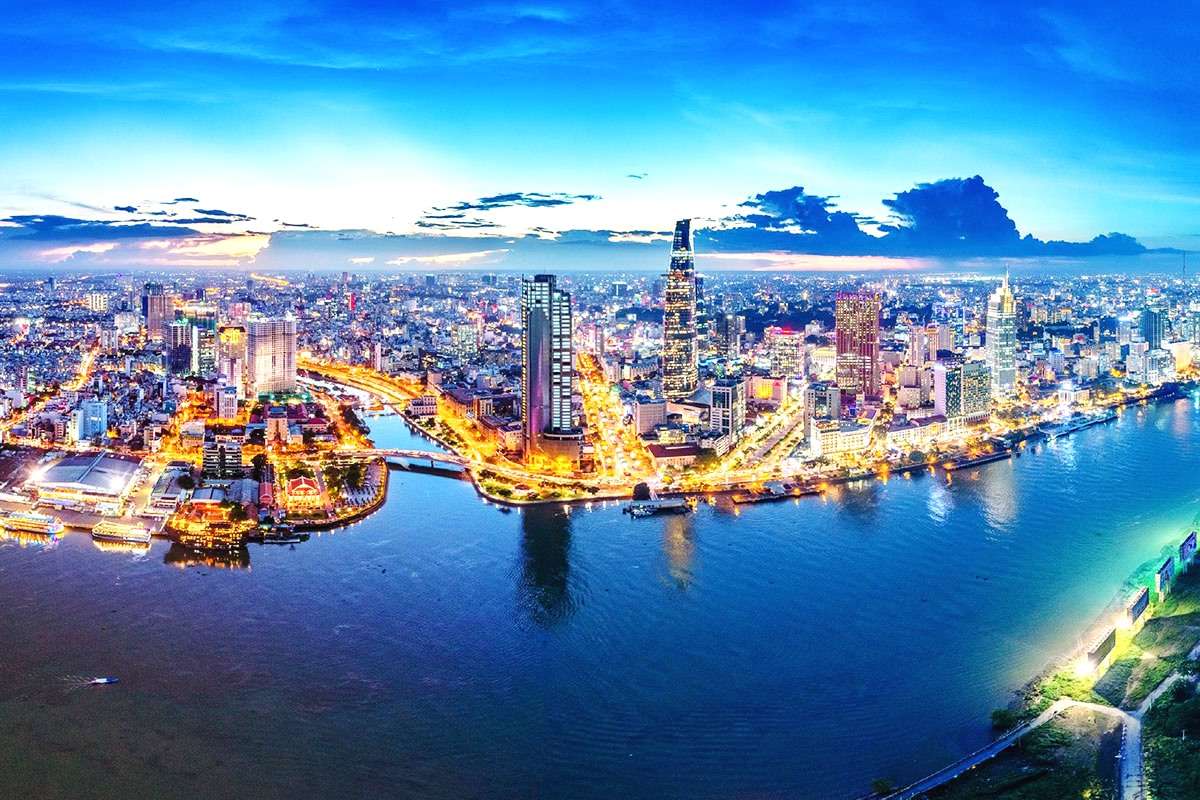
Dining in District 1 also gives the meal a wider setting. Duong Restaurant is close to major attractions, busy streets and the evening energy of central Ho Chi Minh City, making it convenient after sightseeing. A booking, comfortable clothing and a little curiosity are usually more valuable than strict dining rules.
Understanding Vietnamese French Fusion
Vietnamese-French cuisine is not simply traditional dishes covered in French sauce. It is an exchange of methods and ingredients. French influence can appear in reductions, grilling, pâtisserie, butter-based preparation and composed presentation, while Vietnamese character comes through in herbs, citrus, chilli, fermented flavours and balanced seasoning.
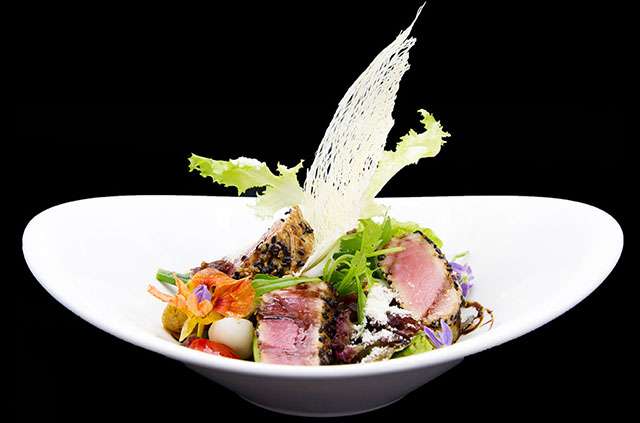
The best dishes usually preserve the identity of both traditions. A protein may be prepared with a French technique but served with a Vietnamese dressing. A salad might have delicate plating yet rely on fresh coriander, mint, lime or fish sauce for its essential flavour. This balance makes the cuisine layered without becoming heavy.
Reading the Menu With Confidence
A first visit is easier when you think in categories rather than trying to understand every description at once. Look for a fresh starter, a seafood or meat dish, a vegetable-based course and a dessert. This gives the table contrasts in texture and flavour, from crisp and herbal to rich and savoury.
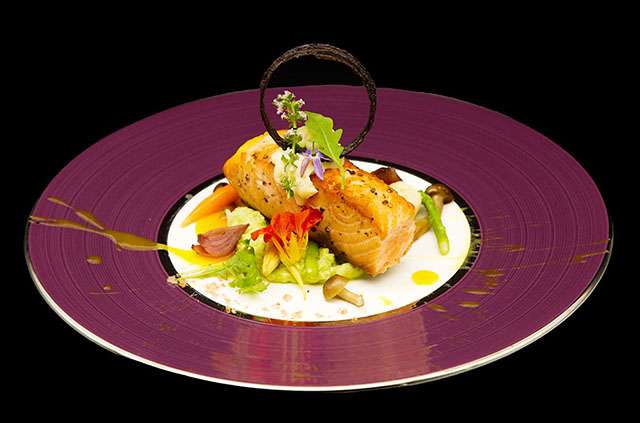
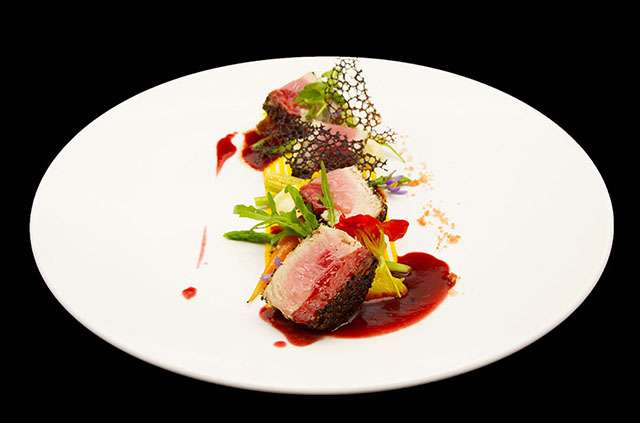
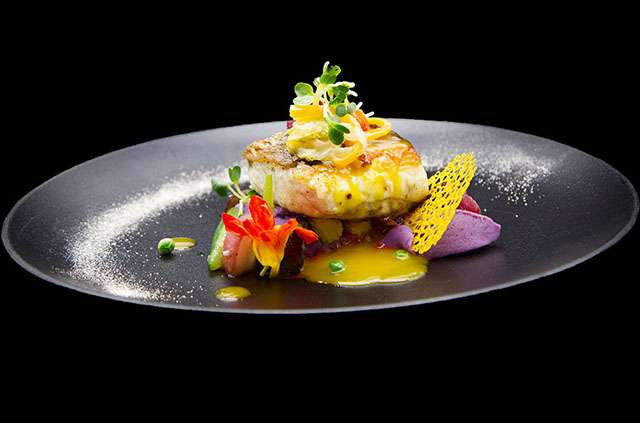
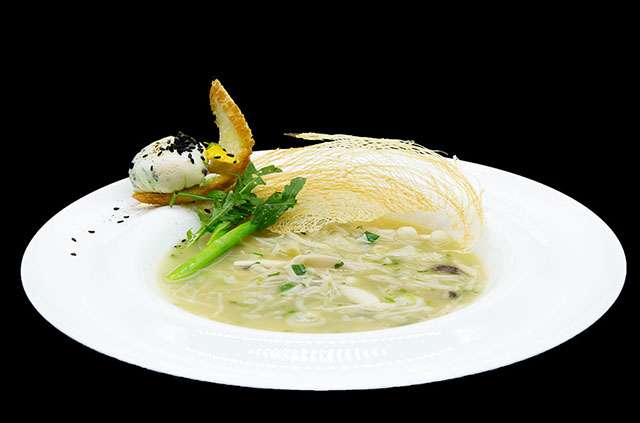
Rice noodle beef rolls are a welcoming choice because they combine familiar beef with soft noodles and Vietnamese aromatics. Seafood can offer a lighter, coastal expression, while tuna steak suits diners who enjoy precise cooking and clean flavours. Mushroom soup is useful for adding warmth and depth without making the meal feel too filling.
If you enjoy cooking at home in Australia, you can also explore this seasonal kitchen recipe before visiting. It provides a useful glimpse into how Vietnamese ingredients and seasonal thinking influence the restaurant’s food.
Building a Balanced Meal
A successful order should include variety rather than several dishes with the same richness. Pair a delicate starter with a more substantial main, then choose vegetables or salad to refresh the palate. If you are sharing, ask the team about portion sizes so the table does not order too much too early.
Australian diners are often comfortable sharing food, particularly those used to modern Asian restaurants in Sydney, Brisbane or Perth. That habit works well here, although fine dining courses may arrive in a carefully planned sequence. Allowing the kitchen to pace the meal helps each dish receive attention.
Consider the climate as well. Ho Chi Minh City can feel warm and humid compared with a cool Melbourne evening or a dry Adelaide afternoon. Fresh salads, seafood, citrus and herbs can be especially appealing, while a soup or richer course may be better suited to a slower dinner indoors.
Appreciating Flavour and Texture
Vietnamese seasoning often aims for harmony between sweet, sour, salty, spicy and savoury notes. French culinary techniques can add a second layer through roasting, reduction or carefully made sauces. Rather than searching for one dominant flavour, take a moment to notice how each element changes the next bite.
Herbs are part of the structure of many Vietnamese-inspired dishes, not merely decoration. Mint, coriander, basil and other fragrant leaves can lift a rich sauce or add contrast to grilled ingredients. Rice noodles provide softness, while crisp vegetables and toasted components create a different rhythm.
If you are sensitive to chilli, fish sauce, shellfish or dairy, mention it when ordering. Clear communication is especially helpful for Australian visitors with allergies or dietary requirements, as some sauces and marinades may contain ingredients that are not obvious from a short menu description.
Making the Most of Service
Fine dining in Vietnam is generally attentive but need not feel formal or intimidating. Staff can often explain unfamiliar ingredients, recommend a sequence and help match dishes to the number of people dining. It is perfectly acceptable to ask for guidance instead of selecting everything independently.
Vietnamese meals may unfold more gradually than a quick weekday dinner in Australia. Treat the restaurant as an evening experience rather than a rushed stop between attractions. Phones can be kept discreetly away from the table, and smart-casual clothing is a sensible choice for the setting.
Tipping is not approached exactly as it is in Australia or the United States. A service charge or gratuity may be handled differently, so check the bill rather than assuming a fixed percentage. Paying in Vietnamese dong is convenient, while many travellers also use cards; confirm accepted payment methods if you prefer not to carry much cash.
Planning a Visit to Dong Du Street
Dong Du Street places Duong Restaurant in the centre of District 1, close to hotels, shopping, galleries and well-known city landmarks. It can fit naturally into an itinerary that includes the Saigon River, the Opera House or an evening walk through central streets.
Traffic can make short distances take longer than expected, especially during busy periods. Australian travellers used to relatively predictable driving times in Canberra or Perth should allow extra time when travelling across central Ho Chi Minh City. Arriving a little early gives you space to settle before the first course.
For reservations, directions or current dining information, use the restaurant’s contact details before setting out. This is also the best way to check practical matters such as availability, special requests and any changes to service arrangements.
A Simple First-Visit Approach
Use the following guide to make your first Vietnamese French fusion meal comfortable and varied:
- Reserve a table, particularly for dinner or a busy travel period.
- Begin with one familiar dish and one Vietnamese-inspired speciality.
- Share a salad, soup or vegetable course to balance richer plates.
- Ask about herbs, sauces, spice levels and allergy considerations.
- Let the staff suggest a sensible order and pacing for the table.
- Save room for dessert, especially if you enjoy French-style finishing touches.
- Allow time after the meal for a relaxed walk through District 1.
Dessert is more than an optional extra in this style of dining. French pastry traditions can meet Vietnamese ingredients such as tropical fruit, coconut, coffee or subtly sweet sauces. For ideas about finishing the experience, explore dessert at Duong before choosing your final course.
Book a table at Duong Restaurant Saigon when you are ready to explore this meeting of Vietnamese freshness and French technique. Bring an open appetite, mention any dietary needs early and give yourself enough time to enjoy the full sequence in the heart of Ho Chi Minh City.