A food lover’s guide to Dong Du Street: where to eat before and after Duong Restaurant Saigon
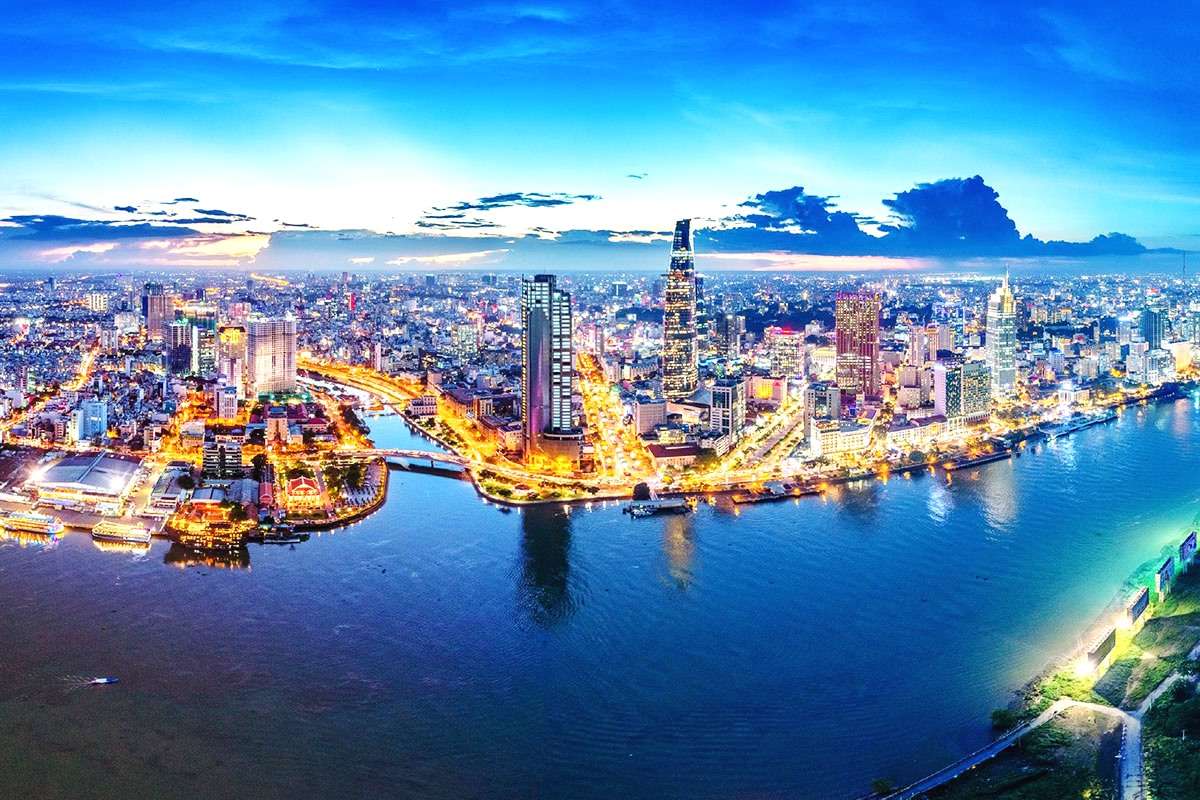
Dong Du Street sits in the heart of District 1, close to the Saigon River, the Opera House, Nguyen Hue Walking Street and some of Ho Chi Minh City’s most elegant old buildings. It is a compact dining area where a quick coffee, a bowl of noodles and a polished dinner can fit into the same evening.
For Australian visitors, the neighbourhood offers an easy way to experience the city’s changing food culture. Think Vietnamese staples, French-influenced cooking, modern cafés, small dessert shops and lively bars within a comfortable walking distance. The pace is faster than a relaxed Melbourne laneway meal, yet the best stops still reward unhurried eating.
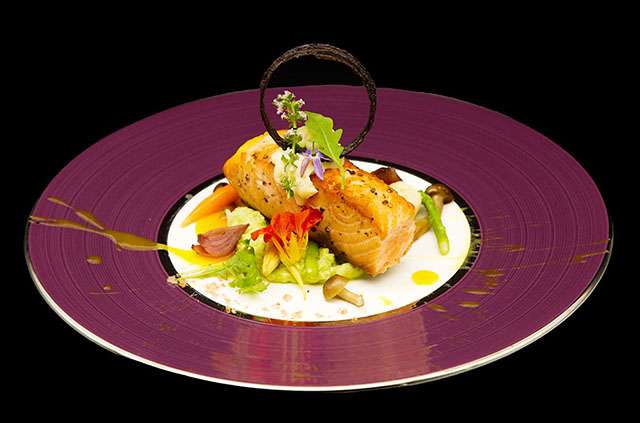
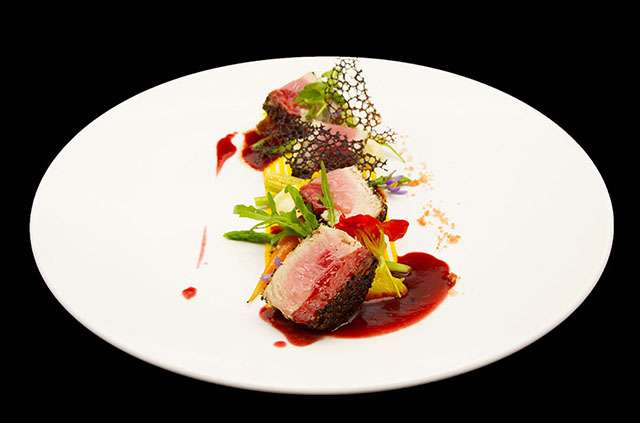
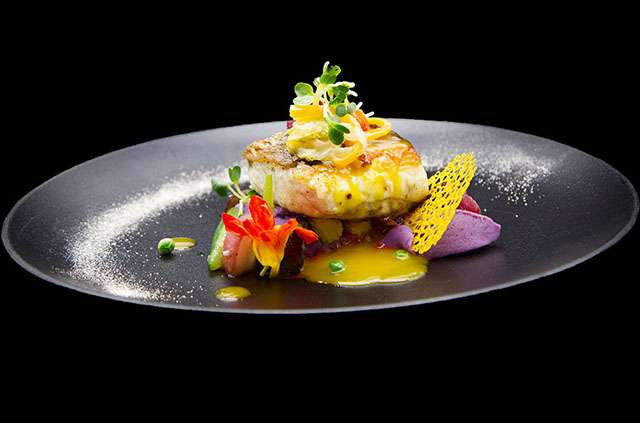
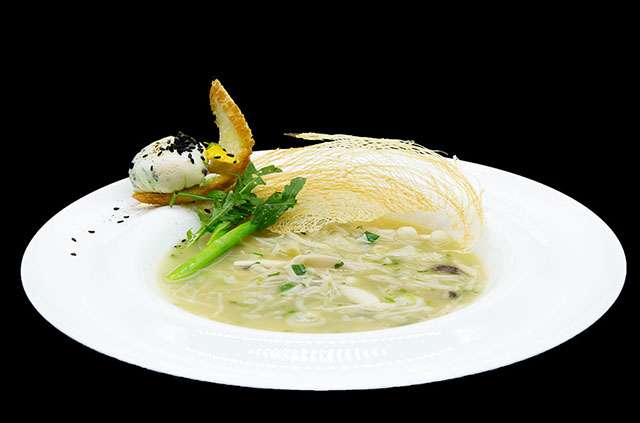
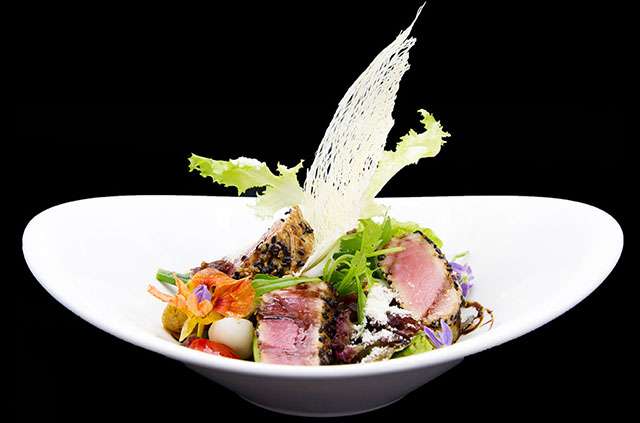
Duong Restaurant Saigon is a natural centrepiece for a food-focused visit. Its chef-led menu brings Vietnamese ingredients into a fine-dining setting, with options such as rice noodle beef rolls, seafood, tuna steak, mushroom soup and fresh salads. The cosy atmosphere also makes it suitable for a special meal without feeling overly formal.
The most enjoyable plan is to treat Dong Du as a progressive tasting route rather than a single restaurant stop. Begin with a light local bite, enjoy dinner at Duong, then finish with Vietnamese coffee, fruit or a sweet snack nearby. Allowing time between each stage lets the street, architecture and evening energy become part of the experience.
Start with a light local bite
Before a full dinner, look for a small serving of Vietnamese street food or a simple café snack. Banh mi, fresh spring rolls, rice paper rolls and small noodle dishes are ideal because they introduce local flavours without taking the edge off your appetite. Fresh herbs, pickled vegetables, chilli and fish sauce create a sharper, more layered profile than many familiar Australian takeaway meals.
A strong alternative is Vietnamese coffee, served hot or over ice with condensed milk. It is intense, sweet and particularly welcome after walking through District 1 in humid weather. Visitors from Sydney or Perth may find the robust brew stronger than their usual flat white, so sharing one or choosing a smaller glass can be sensible before dinner.
Make dinner the main event
Duong Restaurant Saigon suits diners who want Vietnamese cuisine presented with the care associated with contemporary European dining. The menu’s combination of seafood, beef, vegetables and refined sauces allows a group to explore several textures rather than ordering one large dish each. Sharing selected plates is a good approach when travelling with family or friends.
French culinary influence is part of the story behind modern Vietnamese cooking, from sauces and stocks to careful presentation. The restaurant explains this relationship through its guide to French cooking techniques, which provides useful context before a reservation.
Consider balancing a richer dish such as tuna steak or beef with a salad, mushroom soup or seafood preparation. Australian diners are often accustomed to generous portions and clear dietary communication, so mention allergies or preferences when booking and again with the service team. Ingredient-based cooking can be adjusted more easily when the restaurant knows in advance.
Explore the French and Vietnamese character
Dong Du’s charm comes from contrasts. Colonial-era façades, modern hotels, narrow shopfronts and polished restaurants sit close together, while scooters move along the street throughout the day. The atmosphere is distinctly urban, but the area remains manageable on foot, especially around the Opera House and the central shopping precinct.
After dinner, walk towards the civic landmarks rather than immediately returning to your hotel. The Notre Dame Cathedral is part of the city’s French architectural heritage, although access and surrounding conditions can change during restoration works. Check the current situation before planning a detailed visit.
This blend of architecture and food helps explain why District 1 appeals to travellers from Brisbane, Adelaide and Melbourne. It feels familiar enough to navigate, but the street life, tropical climate and late-night dining rhythm are distinctly different from an Australian CBD.
Plan the timing and budget
Dinner reservations are worthwhile, particularly on Friday and Saturday evenings or during major holidays. Contact Duong Restaurant Saigon directly for current opening times, menu details and booking information. Traffic can be unpredictable, so allow extra time if travelling by car from areas such as Thao Dien, Binh Thanh or Phu Nhuan.
Australian visitors should also remember that prices in Vietnam may be displayed differently from home. Confirm whether the menu includes service charges and tax, and check the exchange rate rather than relying on a quick mental conversion from Australian dollars. In Australia, businesses generally need to display unavoidable charges clearly under Australian Consumer Law, while practices can vary more noticeably between Vietnamese venues.
Cards are commonly accepted at established restaurants, though carrying some Vietnamese dong remains useful for cafés, markets and small dessert counters. A bank notification or travel card with low foreign-exchange fees can help control costs across several small purchases.
Choose what to eat before and after
A successful food walk depends on restraint. The aim is to sample different categories instead of filling up at the first stop. Keep earlier dishes small, drink water between tastings and save room for the restaurant’s more carefully composed plates.
After dinner, choose something refreshing rather than another heavy meal. Chè, fresh tropical fruit, coconut-based sweets or a second iced coffee can provide a gentle finish. Some visitors prefer a quiet drink, while others enjoy returning to Nguyen Hue Walking Street to watch families, young people and street performers share the evening.
Food safety habits are also worth keeping in mind. Select busy vendors with high turnover, use bottled or treated water where appropriate and be cautious with raw ingredients if you have a sensitive stomach. Australia’s Food Standards Code places strong emphasis on allergen information in packaged food, but restaurant communication overseas may be less formal, so explain serious allergies plainly.
A simple route for the evening
Use this flexible sequence to experience Dong Du without rushing:
- Arrive before sunset and take a short walk around Dong Du, the Opera House and nearby lanes.
- Have one small street-food snack or a Vietnamese coffee rather than a full meal.
- Reserve dinner at Duong Restaurant Saigon and mention allergies or special occasions in advance.
- Share several dishes to compare seafood, beef, vegetables, soup and Vietnamese-inspired sauces.
- Walk through the central District 1 landmarks after dinner while the temperature is cooler.
- Finish with chè, fruit or another light local dessert at a nearby café.
- Keep cash and a card available for different types of venues, and confirm transport before leaving.
This route works well for couples, small groups and families who want more than a restaurant visit. It also leaves room to adjust according to weather, energy levels and the evening’s traffic. If rain arrives, move directly between cafés and restaurants; tropical showers can be brief but intense.
The area is especially atmospheric after dark, when restaurant windows glow and the streets become a meeting point for residents and visitors. Avoid trying to fit every attraction into one night. A slower walk, an extra shared dish or a pause for coffee will give the experience more character.
Reserve your table, map out a comfortable walking route and let Duong Restaurant Saigon anchor an evening of Vietnamese flavour, French influence and District 1 discovery. Check the restaurant’s current details before travelling, then arrive hungry enough to enjoy the street before and after dinner.