A food lover’s walking guide to Dong Du Street and its hidden eateries
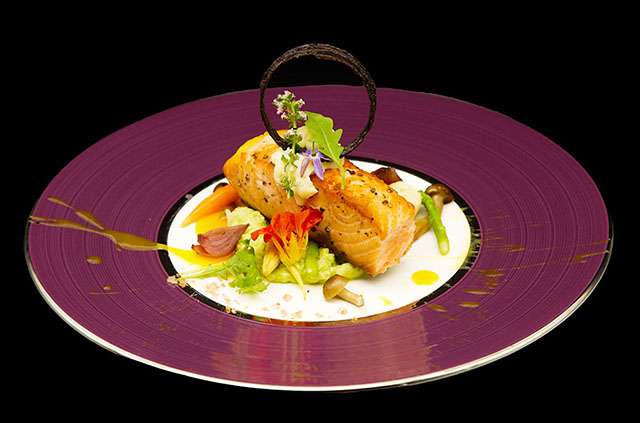
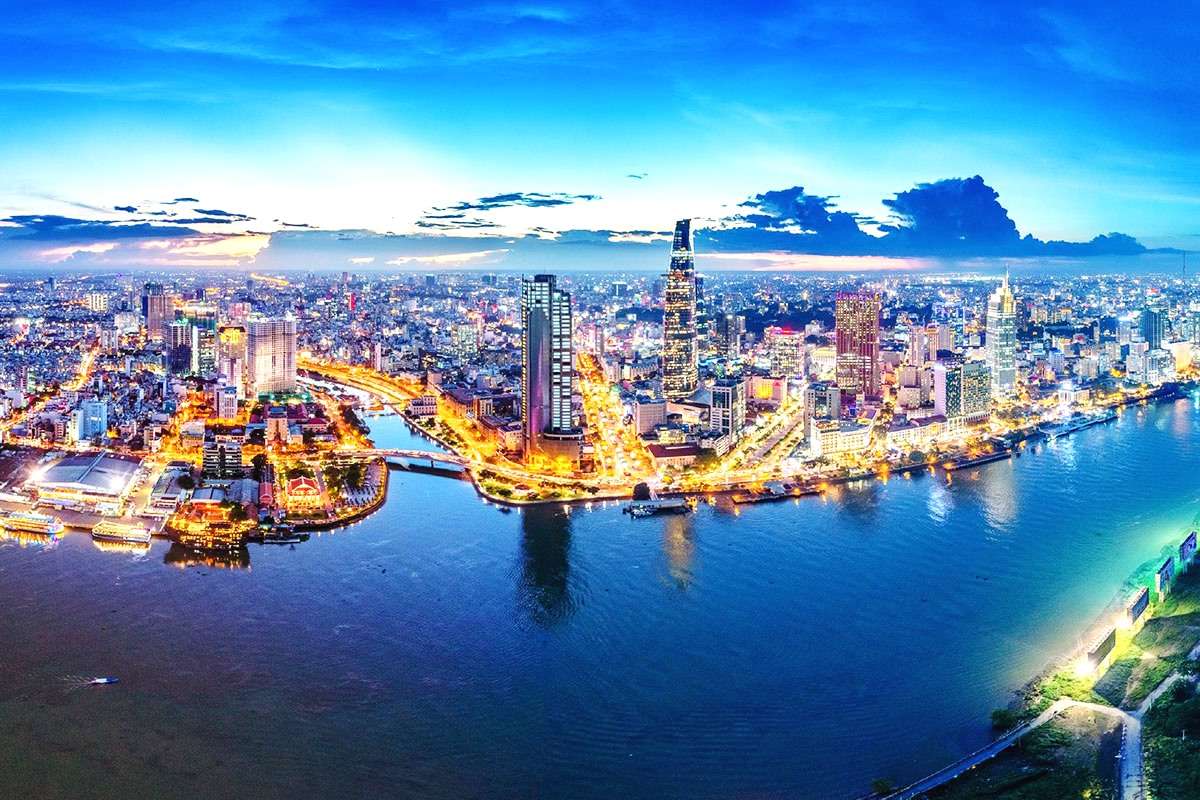
Dong Du Street runs through the heart of District 1, close to Bến Thành market, the Saigon Centre area and riverside landmarks. For hungry visitors, its appeal lies in the short distance between quick street food, shaded cafés and polished chef-led dining. Duong Restaurant Saigon brings Vietnamese ideas into a French style, making it a useful anchor for a day of walking and eating.
A practical route through District 1 can begin with market breakfasts, continue toward Nguyễn Huệ and Tao Đàn Park, then slow down for dinner. The “hidden” stops are often modest counters, cafés and upper-floor rooms rather than secret locations, with the best discoveries appearing just beyond the main restaurant strip.
Begin at Bến Thành and eat like a local
At Bến Thành market, aim for the breakfast rhythm first: coffee, bánh mì, fresh juice and a bowl of phở before the crowds build. Look for stalls where the food is prepared nearby and turnover is quick. A few bites here make the later tasting much easier.
Australians already know Vietnamese food through migration and the country’s thriving restaurant scene, but a market meal adds textures and condiments rarely served at home. Sydney diners can compare the produce with Cabramatta’s specialist shops, while Melbourne visitors may recognise the same herbs and chillies sold in Richmond and Footscray.
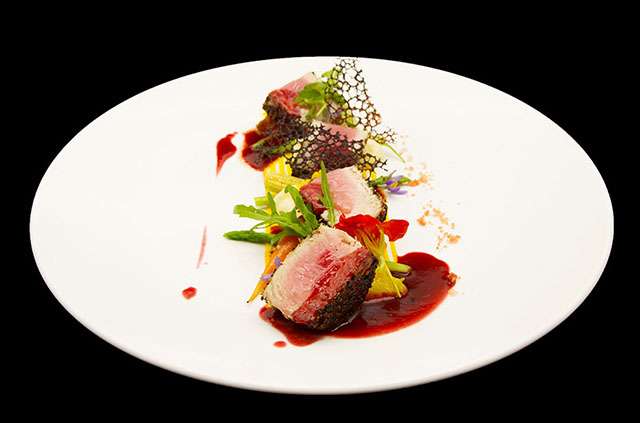
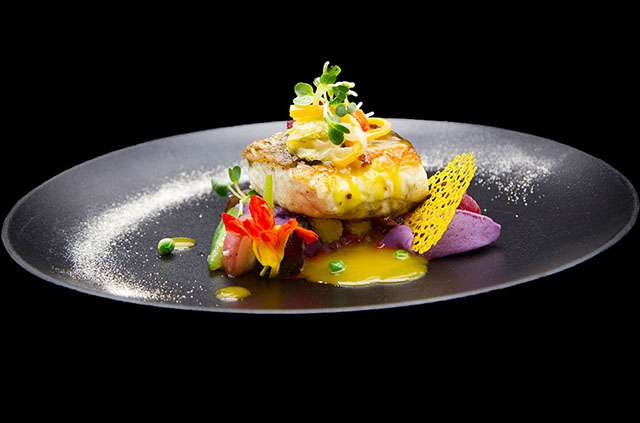
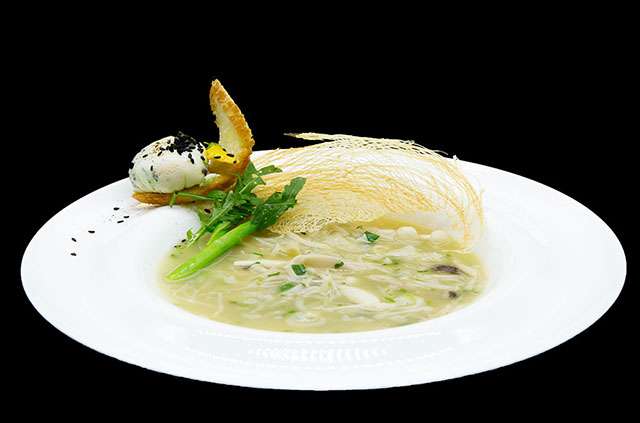
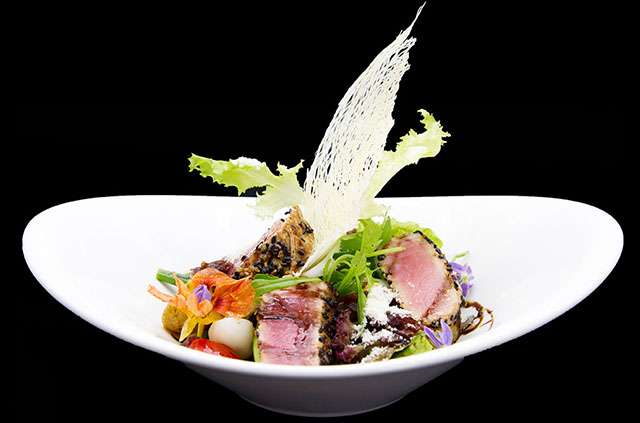
At Duong Restaurant, the pace changes without leaving the neighbourhood. Its chef-led menu includes beef rice-noodle rolls, seafood, tuna steak, mushroom soup and salads in a cosy setting. The lemongrass and butter pairing guide also reveals how French technique and Vietnamese aromatics meet in the kitchen, a strong reason to reserve before the evening service.
Follow the aromatic side streets
The best “hidden” eating begins when you leave the polished shopfront and follow smaller lanes around Đồng Du and Đồng Khởi. Watch for steam rising from grills, stacks of fresh herbs and a handwritten menu with prices in đồng. Small rooms upstairs often feel more personal than the busier ground-floor venues.
Build a grazing route from bánh mì and rice noodles to grilled skewers and seafood, then save room for a composed plate at Duong. Vietnamese dining is naturally suited to sharing, so ordering two or three small dishes gives a group more variety than choosing one large main each.
Sauces deserve their own moment on the route. The kitchen’s signature dipping sauces guide explains how nước chấm is balanced and served, turning familiar meals into a more considered experience. Ask for extra chilli only after tasting, as the balance of salt, sugar, acid and heat can change quickly.
Compare street stops with a chef-led dinner
A good sampler starts light, moves into richer dishes and ends with something composed. This makes Dong Du useful for both solo walkers and friends sharing a table, because the same route can be paced around lunch or dinner.
Compare the quick options before committing to a longer meal. Market stalls favour speed and low-cost grazing, while a chef-led restaurant suits a seated occasion with attentive service and a wider menu. Use the timing and appetite columns below to match your stop to the rhythm of the day.
| Choose |
Best for |
Typical dishes |
Suggested timing |
| Market breakfast |
Quick energy before the crowds |
Coffee, phở, bánh mì |
7–9 am |
| Bánh mì stop |
A portable savoury break |
Bánh mì, herbs and chilli |
Late morning |
| Casual noodle lunch |
Filling street-food value |
Rice noodles, skewers and soup |
11 am–2 pm |
| Duong dinner |
A composed chef-led meal |
Rice-noodle beef rolls, tuna steak, seafood and salads |
From 6 pm |
After eating, let the city slow down for a walk around Tao Đàn Park or along the riverfront. A heavy lunch beside a pool may feel less appealing than a light market breakfast followed by a shaded café break. Leave enough time between stops to browse without rushing.
Find the quieter corners around Đồng Khởi
Tao Đàn Park is a handy reset between market energy and dinner, while side streets toward Nguyễn Huệ reveal bakeries, noodle shops and tucked-away bars. The best discoveries are visible once you look above street level: upstairs dining rooms, compact counters and places with only a few tables all reward a slower pace.
For a group celebration, plan the meal and room together rather than relying on chance. A broad overview of holiday party catering shows how pre-planning portions, timing and serving can simplify a gathering; the same principle works for a shared meal followed by dessert and a long walk.
Pair the food with easy landmarks such as the Ho Chi Minh Museum, City Hall and nearby Notre-Dame Cathedral. Entering one of these places in the cooler late afternoon creates a natural break before returning to Đồng Du for an evening tasting. This is especially useful if rain interrupts lunch.
Walk comfortably and eat confidently
Wear shoes with grip and carry water, since District 1’s pavements can feel intense in Ho Chi Minh City’s heat and humidity. Distances are compact, but crossings and curbs demand attention. Australians can keep the mental map simple by remembering that distances here are in kilometres, not miles, and that midday sun is strongest.
Carry some cash for tiny stalls, yet cards and mobile payments work in many established restaurants. Dining here may feel leisurely, and sharing plates is common. Australian tipping customs are also different from those in many Asian countries: rounding up or leaving a small amount is generally enough, while the restaurant may add a service charge.
Anyone who needs step-free access should confirm the entrance and seating before booking. The practical examples from mobility equipment guidance show why it helps to ask specific questions about routes, transfers and equipment rather than assuming every venue is identical.
Make the evening your own
Plan the route around one satisfying meal rather than ten hurried snacks. A relaxed walk can include market coffee, one savoury stop and then Duong Restaurant for the chef-led menu and its warm, attentive service. Reservations are sensible on weekends and around the dinner peak.
Reserve your place at Duong Restaurant Saigon and begin with the route that matches your appetite, whether you want a quick lunch or a longer tasting evening. Walk slowly, order another small dish and let Dong Du reveal its quieter corners.