The Craft Behind Duong Restaurant Saigon’s Signature Sauces
How Duong Restaurant Saigon prepares its signature dipping sauces begins with balance. In Vietnamese cooking, a sauce may be small in volume, yet it can shape the identity of an entire dish. It brings acidity to rich food, sweetness to sharp aromatics, and depth to delicate ingredients.
At the restaurant on Dong Du Street in District 1, sauces are designed to support a chef-led menu that blends Vietnamese ingredients with French culinary refinement. A dipping bowl served with rice noodle beef rolls, seafood, salads, or a carefully cooked steak is treated as part of the dish rather than an afterthought.
Guests can explore the setting, menu style, and reservation details through the restaurant’s website. The experience reflects a simple principle: quality ingredients become more expressive when seasoning is precise.
Flavor Starts With Fresh Aromatics
A Vietnamese dipping sauce often gains its character from ingredients such as garlic, chili, ginger, shallot, lime, fish sauce, and herbs. Each aromatic contributes a different sensation. Garlic provides warmth, chili adds brightness and heat, while citrus lifts the palate with a clean finish.
Freshness matters because uncooked or lightly handled ingredients remain vivid. Aromatics are finely chopped or prepared shortly before service so their fragrance remains clear. This approach gives the sauce a lively texture instead of a flat, heavily processed taste.
Ginger has a particularly useful role in balancing seafood and richer proteins. Its peppery warmth can soften strong flavors while adding a fragrant, almost floral quality. Duong’s guide to fresh ginger explains why this root is so valuable in Vietnamese-inspired cooking.
Building A Balanced Vietnamese Dipping Sauce
The most successful sauce recipes rely on proportion rather than a single dominant ingredient. Fish sauce supplies umami and salt, lime juice contributes acidity, sugar rounds the edges, and water adjusts intensity. The mixture is tasted repeatedly until the flavors feel integrated.
This balancing process is especially important in a fusion restaurant. French cooking often emphasizes reductions, butter, stocks, and controlled seasoning, while Vietnamese cuisine commonly depends on fresh herbs, citrus, fermented fish sauce, and aromatic contrast. A dipping sauce can connect these traditions without making either one feel overstated.
The final flavor should be distinctive but adaptable. A sauce for delicate seafood may be lighter and more citrus-forward, while one served with beef can carry deeper savory notes and a stronger aromatic presence.
Matching Sauce To The Dish
Sauce preparation does not happen separately from menu planning. The chef considers the main ingredient, cooking method, temperature, and texture before deciding how intense the dip should be. A crisp salad needs a dressing that remains fresh, while a grilled or seared item may benefit from acidity that cuts through caramelized flavors.
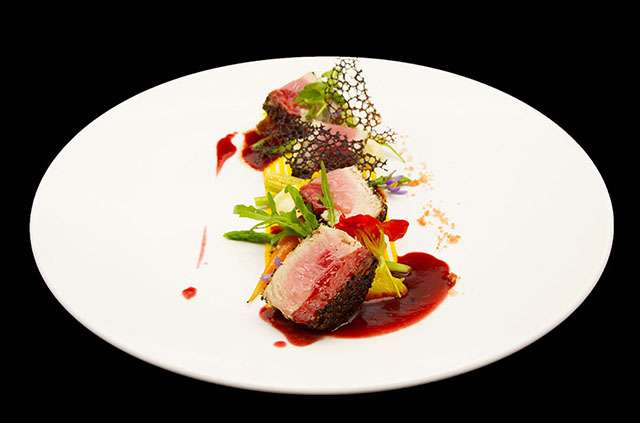
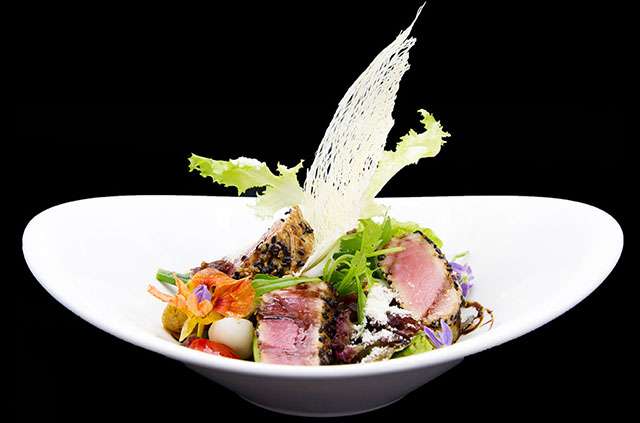
For rice noodle beef rolls, a balanced sauce can travel into the roll and season the noodles, herbs, and filling in a single bite. Seafood may call for ginger, citrus, and herbs, creating a clean contrast. Tuna steak can work with a more restrained accompaniment so the quality of the fish remains central.
| Dish Style |
Sauce Direction |
Main Purpose |
| Rice noodle beef rolls |
Savory, lightly sweet, aromatic |
Season noodles, beef, and herbs |
| Seafood |
Citrus-led with ginger or herbs |
Refresh the palate and soften richness |
| Tuna steak |
Clean, restrained, gently acidic |
Preserve the flavor of the fish |
| Salads |
Bright, fragrant, balanced |
Bind vegetables without weighing them down |
| Richer meat dishes |
Deeper umami with acidity |
Cut through roasted or seared flavors |
Texture And Timing Matter
A sauce can taste correct yet feel unfinished if its texture is wrong. Finely minced aromatics create a gentle distribution of flavor, while larger pieces deliver occasional bursts of heat or fragrance. The choice depends on how the sauce will be eaten and whether it should cling to food or remain fluid.
Timing also influences the final result. Citrus added too early can lose some of its lively aroma, and herbs may darken or soften if held too long. A careful kitchen prepares components in stages, then combines them close to service. This preserves the distinction between sweet, salty, sour, spicy, and fresh notes.
Some sauces may be rested briefly to allow the ingredients to settle together. Others are best served immediately, particularly when their appeal depends on bright lime, crisp herbs, or freshly grated ginger.
The Vietnamese-French Connection
Fusion cooking works when the relationship between ingredients is intentional. At Duong Restaurant Saigon, a Vietnamese dipping sauce can accompany a dish presented with French-inspired attention to plating, temperature, and portion. The sauce adds a familiar local accent while fitting the polished rhythm of fine dining.
This balance also gives diners a way to understand Vietnamese cuisine through contrast. A small dip may reveal fermented depth, tropical acidity, herbal freshness, and controlled heat within seconds. Its purpose is sensory as much as practical: it guides the way each component of the dish is tasted.
For visitors planning a wider culinary itinerary, the restaurant’s foodie’s guide offers useful context for discovering Ho Chi Minh City through its food culture. A meal at Duong can serve as an elegant starting point before exploring the city’s markets, cafés, and neighborhood specialties.
How To Appreciate The Sauce At The Table
Diners can taste a sauce on its own first, using a small amount to identify its primary character. Is the first impression citrus, savory depth, sweetness, ginger, chili, or herbs? This quick tasting makes it easier to understand how the dip changes the main ingredient.
It is also worth trying different amounts. A light coating may highlight the natural flavor of seafood or tuna, while a fuller dip can bring together noodles, beef, herbs, and vegetables. The best proportion depends on personal preference, but the sauce should enhance rather than conceal the dish.
A thoughtful dining experience includes attention to these details:
- Taste the sauce before combining it with the main dish.
- Begin with a small amount, especially when the sauce contains chili or fish sauce.
- Pair bright sauces with richer or grilled foods.
- Notice how ginger, lime, herbs, and garlic change the finish.
- Ask the service team about the recommended pairing when several sauces are offered.
Signature dipping sauces express the restaurant’s broader approach to Vietnamese-inspired fine dining: fresh aromatics, careful seasoning, and respect for the ingredients on the plate. Reserve a table at Duong Restaurant Saigon and experience how a small bowl of sauce can bring an entire dish into focus.