Exploring District 1 After Dinner at Duong Restaurant Saigon
A Foodie’s Guide to Exploring District 1 After Dinner at Duong Restaurant Saigon begins on Dong Du Street, where a refined meal can easily lead into an evening of riverside walks, historic architecture and small late-night discoveries. Duong Restaurant Saigon is well placed for this kind of outing, with Vietnamese-inspired dishes, French influences and a cosy dining room that makes dinner feel like part of the city experience rather than a quick stop.
For Australian visitors, the rhythm may feel familiar in some ways. Like Melbourne’s laneway restaurants or Sydney’s small bars around Barangaroo, District 1 rewards people who wander between venues. The difference is the tropical heat, busy motorbike traffic and the sheer variety of food packed into a few city blocks.
Begin With Dong Du Street’s Evening Energy
After dinner, take a relaxed walk along Dong Du Street and its surrounding lanes. The area sits close to the Saigon River, the Saigon Opera House and several boutique hotels, so it is easy to continue sightseeing without arranging another taxi. Street vendors, cafés and softly lit shopfronts create a lively atmosphere well into the evening.
The Dong Du dining guide is useful for understanding the neighbourhood’s food culture before setting out. It highlights how Vietnamese dining moves between polished restaurants, casual noodle shops and compact dessert counters, often within a short walk.
Australians accustomed to an early dinner booking should remember that Ho Chi Minh City often stays active later. A 6.30 pm meal leaves plenty of time for a stroll, while a 7.30 or 8 pm booking can still fit comfortably before a late dessert or drink.
Follow the Lights Toward the River
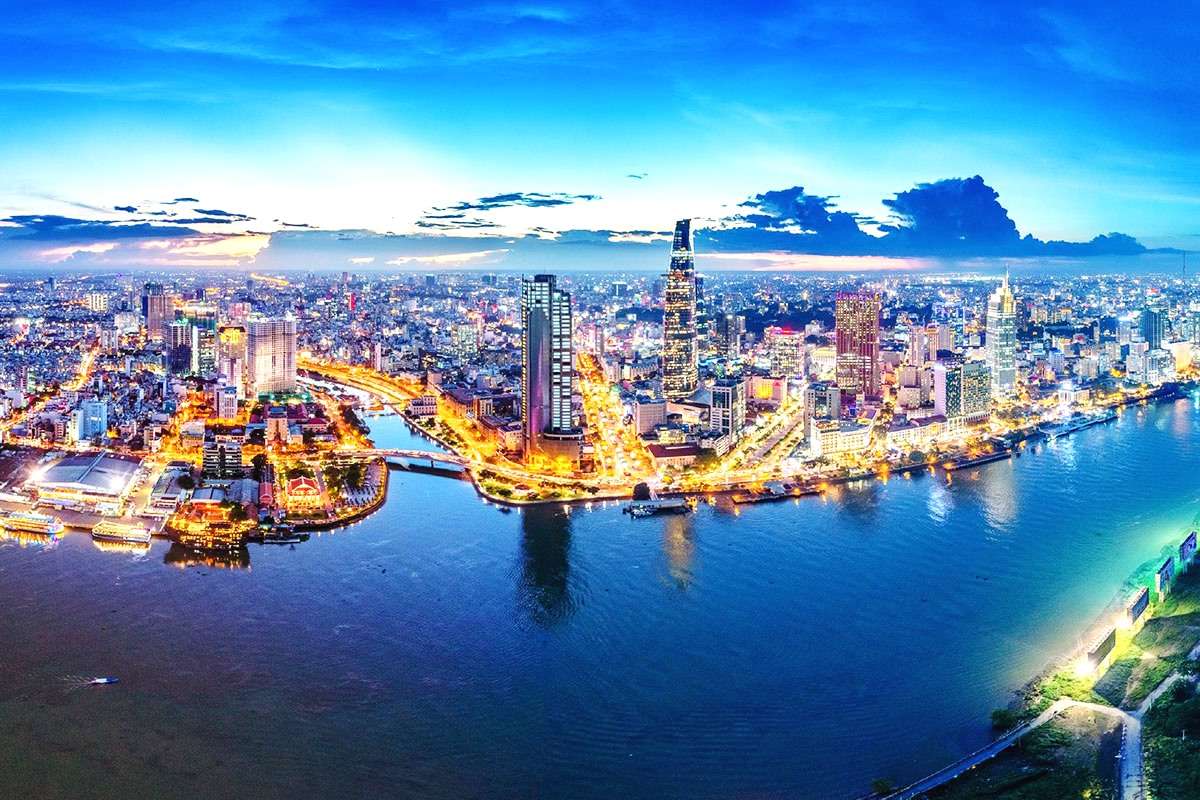
From Dong Du, head towards the Saigon River and the Opera House. The route is especially attractive after dark, when the broad boulevards, colonial-era buildings and illuminated façades give District 1 a more graceful character. Pause around the Opera House before continuing towards Nguyen Hue Walking Street, where families, young locals and visitors gather in the cooler evening air.
This is a good place to slow down after a chef-led dinner. Rather than treating the city as a checklist of attractions, notice the details: coffee served in narrow buildings, floral displays outside hotels and groups sharing snacks on the pavement. Compared with a quiet walk beside the Yarra or a harbour stroll near Circular Quay, the streets here feel denser and more spontaneous.
Keep your phone and wallet secure while crossing busy roads, and follow the local habit of moving steadily rather than stopping in the middle of traffic. Ride-hailing apps are convenient for longer distances, but much of this central route is manageable on foot.
Add a Carefully Chosen Second Bite
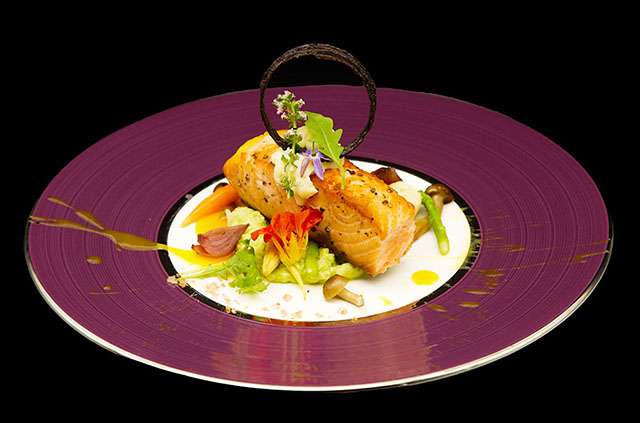
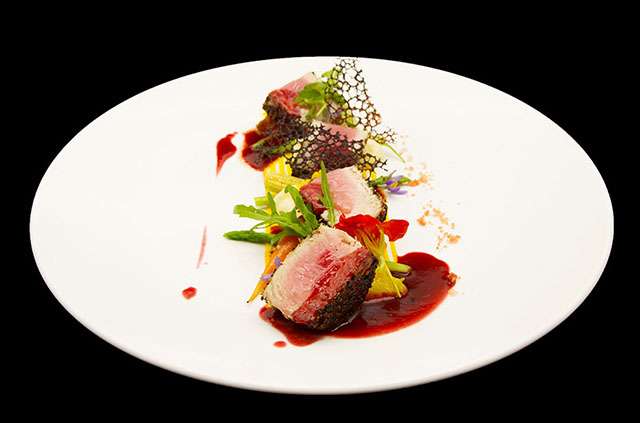
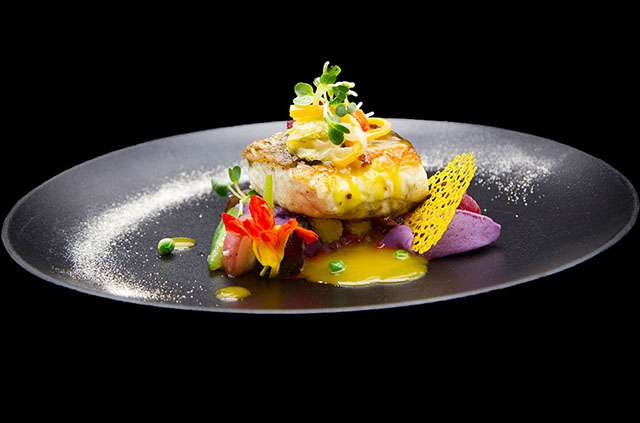
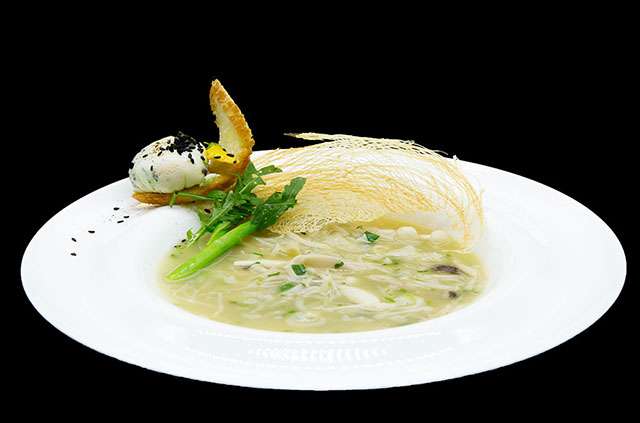
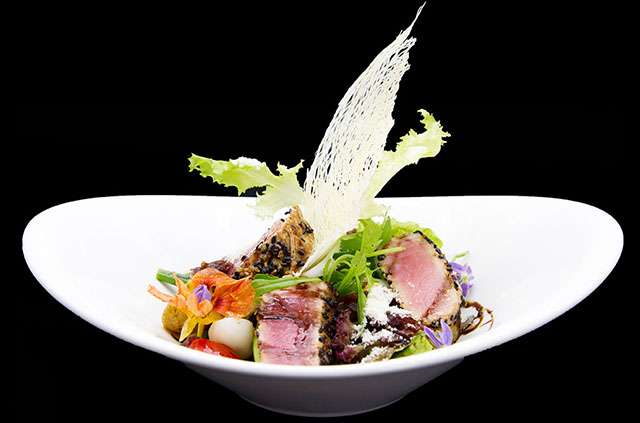
A second meal is rarely necessary after Duong’s seafood, salads, tuna steak, mushroom soup or rice noodle beef rolls, but a small snack can extend the evening. Choose one item to share rather than ordering a full spread. Fresh fruit, chè, a warm pastry or a modest bowl of noodles can provide a different texture without overwhelming the main meal.
For guests who enjoy Japanese food, a Japanese ramen stop can be a useful reference when comparing regional comfort food. Ramen is richer and more brothy than many Vietnamese noodle dishes, so it suits a later craving when the evening has turned casual. Australians familiar with late-night ramen in Melbourne’s CBD or Sydney’s Haymarket will recognise the appeal, though local opening hours can vary.
Good late-night options include:
- Fresh tropical fruit with chilli salt
- Vietnamese chè with beans, jelly or coconut milk
- A small serving of grilled seafood
- Bánh flan or another light local dessert
Be aware that kitchens may close earlier than the venue itself. Ask about last orders, and check whether a restaurant accepts cards before sitting down. Australia is strongly card-first, while smaller Vietnamese vendors may still prefer cash or local digital payments.
Taste the Details You May Have Missed
A fine-dining menu often reveals more when considered after the meal. Think back to the balance of herbs, acidity, smoke and sweetness in each course. Vietnamese cuisine depends on contrast, and French technique can make those contrasts feel especially precise. A sauce may seem subtle during dinner, then become more memorable when compared with the sharper flavours of street food later.
The use of smoked ingredients in recipes offers another lens for reading the menu. Smoke can add depth to seafood, vegetables and sauces without making a dish heavy, an approach that suits diners who appreciate careful seasoning over excessive richness.
Citrus is equally important in warm-weather dining. If a dessert, dressing or drink includes yuzu’s bright flavour, expect a fragrant acidity that differs from lime or lemon. Australian diners who enjoy native citrus, finger lime or modern Asian flavours may find this a useful comparison.
Match the Route to Your Appetite
District 1 is easiest to enjoy when the route reflects your energy level. After a long day of touring, a short walk to the river may be enough. If you still feel alert, add Nguyen Hue, the Central Post Office or the cafés around Book Street. Ben Thanh Market is more rewarding earlier in the day, while the surrounding streets can still be interesting at night.
| Evening mood |
Suggested route |
Best for |
| Relaxed |
Dong Du Street to the Opera House |
A gentle post-dinner stroll |
| Curious |
Opera House to Nguyen Hue Walking Street |
City lights and people-watching |
| Dessert-focused |
Dong Du cafés and nearby lanes |
Chè, fruit and Vietnamese sweets |
| Energetic |
Nguyen Hue to the riverfront |
A longer walk after dinner |
Australians often plan around practical details such as public transport, venue licensing and fixed closing times. In District 1, the main considerations are heat, humidity, traffic and the distance between stops. Carry water, wear comfortable shoes and use a light layer in air-conditioned restaurants, where the temperature can feel surprisingly cool after the street.
For another daytime food experience, consider booking a set lunch in Saigon on a separate day. A structured lunch can leave the evening free for museums, markets and riverside exploration without trying to fit every experience into one outing.
Turn the Evening Into a Saigon Memory
The most satisfying post-dinner itinerary is rarely the longest. It might be a slow walk past the Opera House, a shared dessert in a compact café and ten quiet minutes watching the riverfront lights. District 1 rewards that flexibility, particularly when you allow room for an unexpected snack, an interesting shop or a street performance.
Reserve your dinner at Duong Restaurant Saigon, arrive with time to enjoy the menu, then let Dong Du Street guide the rest of the night. With a little planning and an appetite for discovery, one meal can become a memorable introduction to Ho Chi Minh City’s food, architecture and after-dark character.