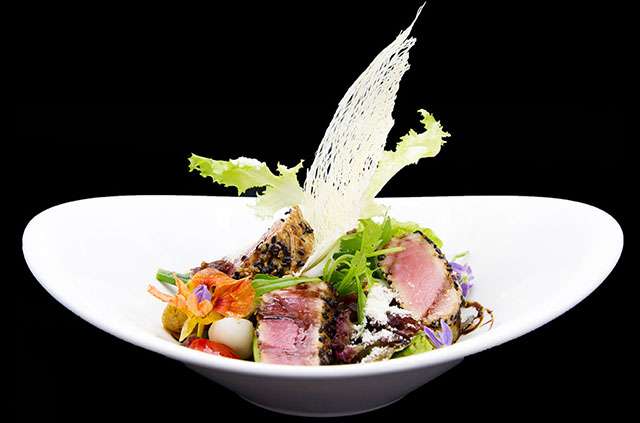
Smoked Ingredients at Duong Restaurant Saigon
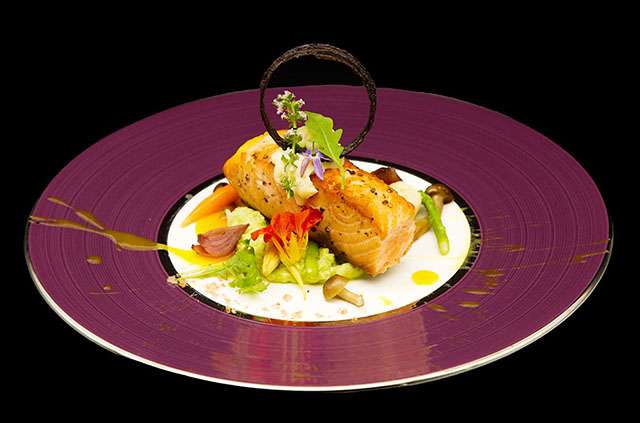
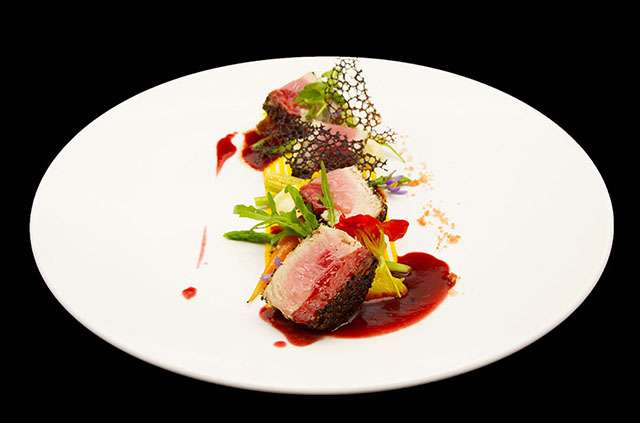
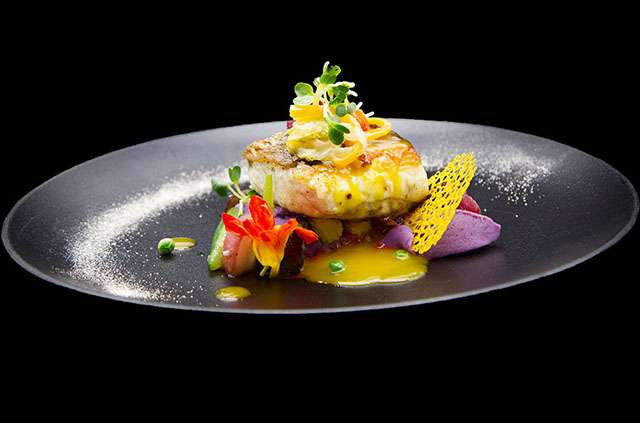
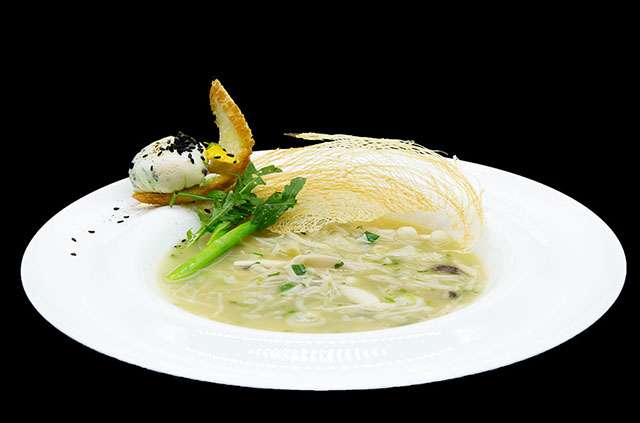
At Duong Restaurant Saigon, Vietnamese-inspired cuisine meets French fine-dining technique in a setting designed for careful, unhurried meals. On Dong Du Street in District 1, the menu brings together seafood, tuna steak, mushroom soup, salads, rice noodle beef rolls, and other dishes shaped by the chef’s interpretation of local flavors.
Smoke fits naturally into this culinary conversation. Used with restraint, it can deepen the taste of fresh ingredients without hiding their character. A gentle smoky note may add warmth to seafood, earthiness to mushrooms, or a roasted edge to vegetables and herbs.
The appeal of smoked ingredients lies in balance. Vietnamese cooking already draws on grilling, roasting, toasted aromatics, and charcoal cooking, while French techniques often focus on precise seasoning and layered sauces. At Duong, these traditions create room for smoke to act as an accent within a composed dish.
The Role of Smoke In Vietnamese-Inspired Cooking
Smoke adds an aromatic dimension before the first bite. Its fragrance can suggest an open flame, a traditional kitchen, or a street-side grill, connecting contemporary dining with familiar Vietnamese food memories. The effect is especially engaging when paired with fresh herbs, citrus, chili, or a light dipping sauce.
A chef may use smoked salt, charred produce, infused oil, or lightly smoked proteins to build this impression. Each method produces a different result. Direct grilling gives a distinct roasted crust, while cold smoking offers a quieter fragrance and preserves a delicate texture.
At a fine-dining restaurant, the objective is usually refinement rather than intensity. Excessive smoke can overwhelm the sweetness of seafood or the clean taste of vegetables. A carefully measured amount gives the dish greater depth while keeping its central ingredient recognizable.
Chef-Led Flavor And Culinary Balance
The use of smoke reflects a wider approach to menu development: select a strong ingredient, then support it with complementary textures and measured seasoning. Seafood might benefit from acidity and herbs, while a mushroom-based preparation can welcome toasted spices and a richer stock.
This balance is closely connected to the restaurant’s chef-led identity. Guests interested in the ideas behind the menu can explore Chef Duong’s philosophy, where technique, Vietnamese culinary inspiration, and thoughtful presentation come together.
French influence can appear in the way a smoky component is integrated rather than simply added. A concentrated sauce, smooth purée, crisp garnish, or carefully reduced dressing can carry the aroma across the plate. The result is a layered profile in which smoke supports the composition instead of becoming a single dominant flavor.
Smoked Seafood With A Clean Finish
Seafood is particularly responsive to gentle smoking because its natural sweetness contrasts with savory, wood-fired aromas. Tuna steak, for example, can pair well with a subtle char, a bright dressing, or fresh herbs. The contrast between a seared exterior and a tender center creates a sensory experience that feels both familiar and polished.
When working with seafood, freshness remains essential. Smoke should enhance the ingredient’s oceanic character, not cover it. This makes sourcing and preparation important parts of the dining experience, especially for guests who prefer seafood with a clean finish.
Duong Restaurant Saigon’s approach can be considered alongside its wider commitment to responsible ingredients. Its perspective on sustainable seafood practices helps explain why provenance and quality matter when developing seafood dishes with bold aromatic accents.
Vegetables, Mushrooms, And Local Greens
Smoke also brings complexity to plant-based ingredients. Mushrooms naturally contain earthy, savory notes, so a touch of smoke can make a mushroom soup feel deeper and more rounded. Toasted shallots, roasted garlic, or a few drops of infused oil may add fragrance without making the soup heavy.
Salads provide a different opportunity. Crisp greens and fresh herbs create a cool contrast against roasted or smoked elements. A smoky dressing, charred vegetable, or toasted seed can give a salad more body while preserving its freshness and brightness.
For a closer look at the ingredients that shape the restaurant’s salads, read about its use of local greens. The combination of varied leaves, herbs, acidity, and texture demonstrates how subtle roasted flavors can sit comfortably alongside delicate produce.
Pairing Smoky Notes Across The Menu
The best pairing depends on the ingredient’s weight, texture, and seasoning. A mild smoke can link separate courses, while bright herbs and acidic sauces keep the palate refreshed. The following combinations illustrate how these flavors can work together in a Vietnamese and French fusion setting.
| Dish or Ingredient |
Helpful Smoky Element |
Balancing Flavors |
| Tuna steak |
Light char or smoked oil |
Citrus, herbs, pepper |
| Seafood |
Gentle wood smoke |
Lime, fresh greens, light sauce |
| Mushroom soup |
Roasted mushrooms or smoked seasoning |
Creamy stock, shallot, herbs |
| Rice noodle beef rolls |
Charred aromatics |
Nuoc cham-style acidity, herbs |
| Salads |
Grilled vegetables or toasted seeds |
Vinegar, citrus, crisp local greens |
The contrast between warm smoke and fresh ingredients is especially important in a multi-course meal. A smoky seafood preparation may feel elegant beside a sharp salad, while a rich mushroom soup can be lifted by herbs or a bright garnish.
A Thoughtful Way To Experience Smoke
Guests do not need to seek out the strongest smoky flavor to appreciate the technique. Often, the most memorable use is quiet: a roasted aroma released when a dish arrives, a charred edge beneath a sauce, or a lingering savory note after the main ingredient has disappeared.
To experience the menu with attention to these details:
- Begin with a fresh salad or herb-forward dish to establish a clean palate.
- Choose seafood or tuna to notice how smoke interacts with natural sweetness.
- Consider mushroom soup for a warmer, earthier expression of roasted flavor.
- Pay attention to sauces, garnishes, and oils, where subtle smoke may be concentrated.
- Pair bold aromas with water or a bright, refreshing beverage between courses.
Duong Restaurant Saigon offers a setting where these details can be appreciated at a measured pace. The cozy dining room, chef-led menu, and attentive service support an experience built around aroma, texture, and presentation rather than speed.
Reserve a table on Dong Du Street and explore how Vietnamese ingredients, French technique, and carefully controlled smoky flavors come together across the menu.