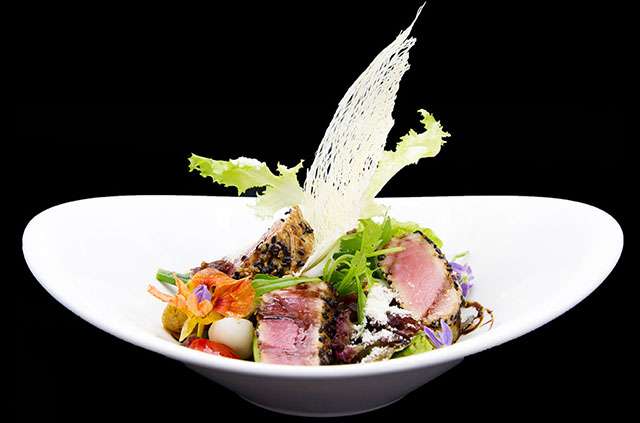
Why Duong Restaurant Saigon’s Salads Use a Unique Blend of Local Greens
A salad at Duong Restaurant Saigon is designed as more than a refreshing side dish. Its character comes from the way Vietnamese herbs, tender leaves, crisp vegetables, and carefully balanced dressings are brought together to support the restaurant’s broader Vietnamese and French fusion style.
The use of local greens gives each plate a distinctly Saigon identity. Familiar ingredients can offer peppery, citrusy, grassy, or slightly bitter notes, creating a layered flavor profile that imported lettuce alone cannot provide.
This approach also suits a chef-led menu. Rather than treating salad as a fixed formula, the kitchen can adjust its combination of leaves and herbs according to freshness, texture, and the main ingredients on the plate.
A Vietnamese Foundation In Every Leaf
Vietnamese cuisine traditionally builds flavor through fresh herbs and raw vegetables. Fragrant ingredients such as Vietnamese coriander, perilla, Thai basil, and mint can add brightness without relying on heavy sauces, while finely sliced banana blossom or young greens contribute a gentle crunch.
These ingredients make a salad feel connected to local markets and everyday Vietnamese cooking. Their flavors are expressive, so a small amount can influence the entire dish. A peppery leaf may sharpen a seafood salad, while sweet basil or mint can soften the richness of grilled meat or tuna.
The result is a more dynamic green salad, with several sensations appearing in one bite. Soft leaves, crisp vegetables, aromatic herbs, and a light dressing create contrast instead of a single repetitive texture.
Where French Technique Meets Saigon Produce
Duong Restaurant Saigon’s salads reflect the same balance found across its fusion menu: local ingredients are presented with a polished, considered style. French culinary influence often emphasizes clean preparation, visual balance, measured seasoning, and sauces that support rather than conceal the main ingredients. The restaurant’s French culinary influence helps explain why familiar Vietnamese produce can appear in an elegant fine-dining setting.
A French-inspired dressing might bring acidity, oil, mustard, or gentle sweetness, while Vietnamese herbs provide the fragrance and freshness. This combination allows the greens to remain recognizable while giving the salad a more refined finish.
The blend therefore avoids two extremes. It is not a plain Western garden salad, but it is also not an overly complicated arrangement in which the vegetables lose their natural identity. Each element has a role in the final balance.
Texture Is Part Of The Flavor
Local greens are valuable because they contribute different textures as well as distinct tastes. Tender herb leaves can release aroma quickly, while shredded vegetables and young shoots add structure. Crisp cucumber, carrot, lotus stem, or banana blossom can make the plate feel lively and refreshing.
Texture is especially important when a salad accompanies seafood, beef, or another richly seasoned dish. Crunch can refresh the palate between bites, and delicate leaves can carry dressing without overwhelming the protein. A well-composed salad creates movement on the plate and prevents the meal from becoming heavy.
The greens also help connect temperature and sensation. Cool vegetables and herbs can contrast with warm grilled ingredients, while a sharp dressing can brighten earthy mushrooms or rich tuna. These contrasts make the salad an active part of the dining experience rather than decoration.
| Local ingredient style |
Flavor contribution |
Best culinary function |
| Fragrant Vietnamese herbs |
Floral, minty, peppery, or citrus-like notes |
Adds aroma and freshness |
| Crisp shredded vegetables |
Light sweetness and clean crunch |
Gives the salad structure |
| Banana blossom or young shoots |
Mild earthiness and delicate firmness |
Adds regional character |
| Tender leafy greens |
Gentle bitterness or grassy flavor |
Creates a soft base |
| Balanced dressing |
Acidity, savory depth, and slight sweetness |
Brings the components together |
Freshness Shapes The Final Combination
A unique greens blend works best when ingredients are chosen for their condition, not simply because they belong to a standard recipe. Local produce can vary with weather, harvest timing, and market availability. A chef who pays attention to those differences can select leaves at their most fragrant and vegetables when their texture is still crisp.
This flexibility is useful in Ho Chi Minh City, where fresh herbs and produce are central to the food culture. Seasonal adjustments may subtly change the balance of a salad while preserving its overall identity. One version may emphasize herbs and acidity, while another may focus on crunch and gentle sweetness.
Freshness also reduces the need for heavy seasoning. When greens are lively and aromatic, the dressing can remain light and precise. That restraint lets diners taste the produce itself, which is central to a dish built around local ingredients.
A Natural Match For The Restaurant’s Menu
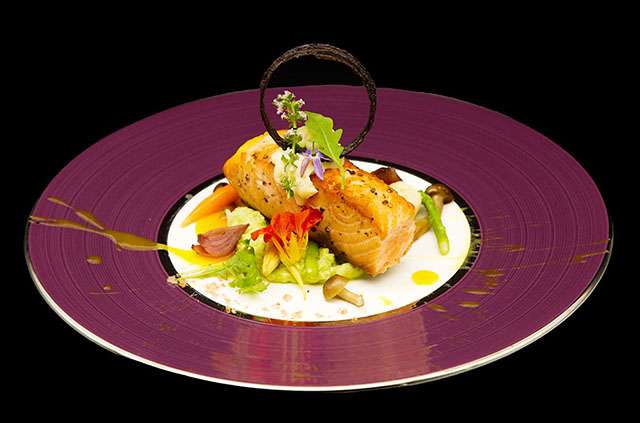
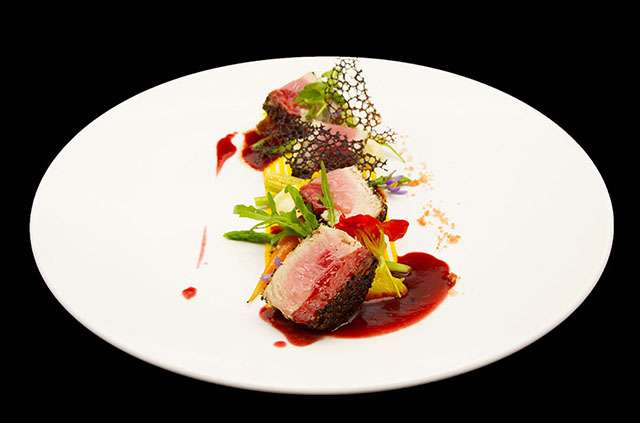
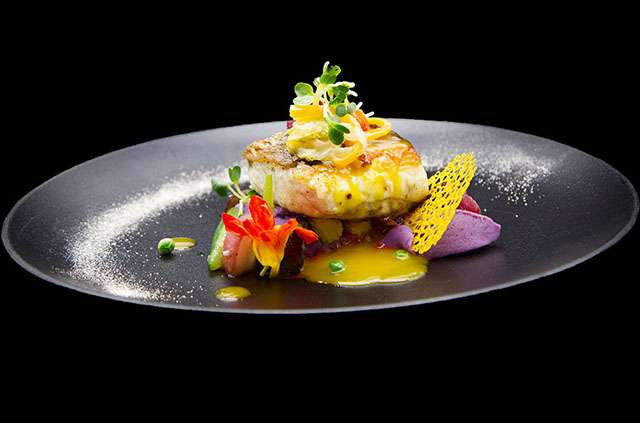
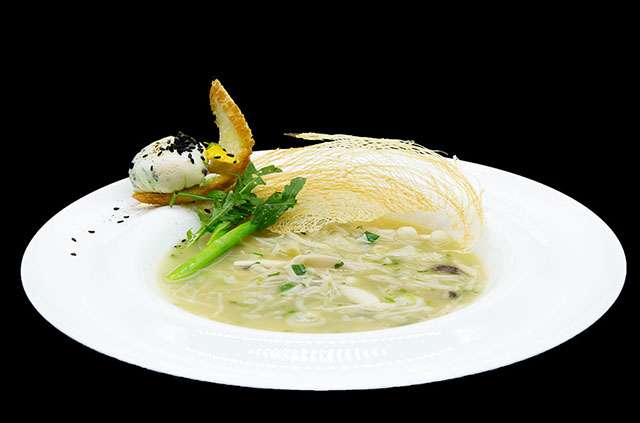
The salads are designed to work alongside a varied menu that includes seafood, tuna steak, rice noodle beef rolls, mushroom soup, and other Vietnamese-inspired dishes. Their clean flavor can provide contrast to savory mains, while their herbs can echo seasonings used elsewhere in the meal.
With seafood, bright herbs and acidity can emphasize the natural sweetness of the ingredients. With beef, crunchy vegetables and fresh leaves can balance grilled or richly seasoned flavors. A mushroom-based dish may benefit from sharper greens that add lift and prevent the palate from feeling weighed down.
For diners exploring the menu for the first time, the restaurant’s chef recommendations can help place salads within a complete meal. They may be enjoyed as a light opening course, a complement to a main dish, or part of a broader tasting experience.
What To Notice When Ordering
The most rewarding way to enjoy a local-greens salad is to taste its components separately before mixing everything together. This reveals how the herbs, vegetables, dressing, and accompanying ingredients have been layered.
Look for the progression from aroma to texture: a fragrant herb at the beginning, crisp vegetables in the middle, and a clean, lightly acidic finish. The dressing should connect the ingredients without masking them.
- Notice which herbs provide the strongest aroma.
- Compare soft leaves with crisp vegetables in the same bite.
- Taste the dressing on its own to identify acidity and sweetness.
- Pair the salad with a rich main course for palate contrast.
- Ask the service team about seasonal ingredients when making a selection.
The appeal of Duong Restaurant Saigon’s salads lies in this thoughtful balance of locality and technique. Vietnamese greens bring freshness, fragrance, and regional character, while a polished culinary approach gives them structure and elegance. To explore the restaurant’s menu, atmosphere, and reservation details, visit the Duong Restaurant Saigon website and plan a dining experience around the flavors of Saigon.