The French Colonial Influence On Duong Restaurant Saigon’s Menu
Duong Restaurant Saigon reflects the layered food culture of Ho Chi Minh City, where Vietnamese culinary traditions meet techniques and ingredients introduced during the French colonial period. The result is a style of dining that feels local in character while embracing the refinement associated with French cuisine.
Located on Dong Du Street in District 1, the restaurant presents a chef-led menu shaped by balance, texture, and careful presentation. Its dishes draw from Vietnamese staples such as rice noodles, fresh herbs, seafood, and mushrooms, while French culinary ideas appear in cooking methods, sauces, plating, and the structure of the dining experience.
The influence of French colonial cuisine on Duong Restaurant Saigon’s menu is therefore less about copying classic European dishes and more about interpreting them through Vietnamese ingredients. This approach creates fusion food with a distinct Saigon identity.
A Culinary Meeting Point In Saigon
French colonial cuisine introduced new ingredients, baking traditions, dairy products, sauces, and professional kitchen methods to Vietnam. Local cooks adapted these elements to regional tastes, creating familiar foods such as bánh mì and transforming the way meats, vegetables, and broths were prepared.
At Duong Restaurant Saigon, that history appears through a modern Vietnamese and French fusion philosophy. The menu respects the freshness and direct flavors of Vietnamese cooking but gives them a more composed, fine-dining presentation. Each dish can feel recognizable and novel at the same time.
The restaurant’s setting also supports this cultural blend. A cozy dining room in central Saigon provides a suitable environment for food that carries both everyday Vietnamese warmth and French-inspired elegance.
French Technique, Vietnamese Ingredients
One of the clearest signs of French influence is the emphasis on technique. French cuisine values reduction, roasting, sautéing, refined seasoning, and carefully made sauces. Vietnamese cuisine contributes aromatic herbs, fish sauce, rice products, tropical produce, and a preference for brightness.
These traditions work especially well together. A rich sauce can be lifted with lime, herbs, or pickled vegetables, while a French-style cooking method can bring depth to seafood, beef, or mushrooms without masking their natural character. The goal is harmony rather than a heavy or overly complicated flavor profile.
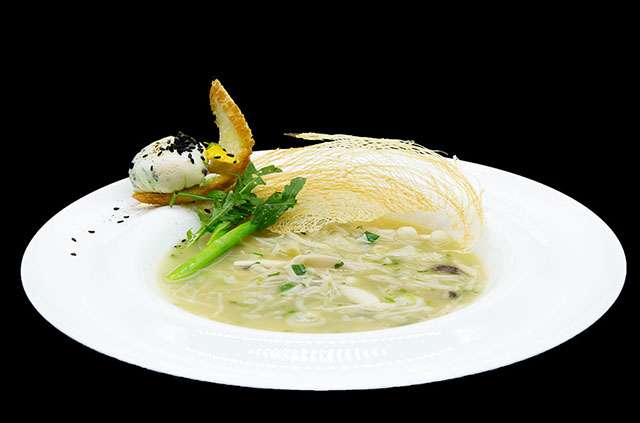
Mushroom soup is a useful example of this meeting point. Its smooth, comforting texture suggests a European cream-soup tradition, while the earthy ingredients and restrained seasoning can remain aligned with Vietnamese preferences for freshness and balance.
Rice Noodles Reimagined With Finesse
Rice noodles are central to Vietnamese food culture, yet their use in a refined dish can reveal French culinary influence through structure and presentation. Rather than serving noodles only in a casual bowl, a chef may shape them into an elegant composition with seasoned beef, herbs, vegetables, and a complementary sauce.
Duong’s rice noodle beef rolls represent this transformation. The dish keeps the essential Vietnamese relationship between rice, beef, herbs, and texture while presenting the ingredients with precision. Learn more about the rice noodle specialty and the cultural ideas behind this distinctive preparation.
The contrast between soft noodles, tender beef, crisp vegetables, and aromatic herbs gives the dish a layered character. It also demonstrates how French-inspired plating can make a Vietnamese ingredient feel suitable for a leisurely fine-dining meal without removing its cultural identity.
Seafood And Tuna With European Poise
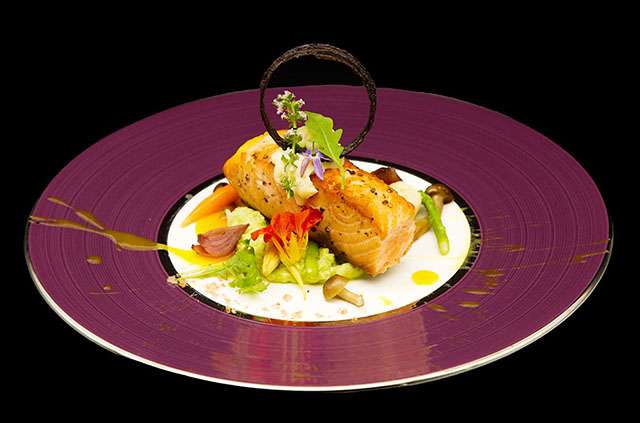
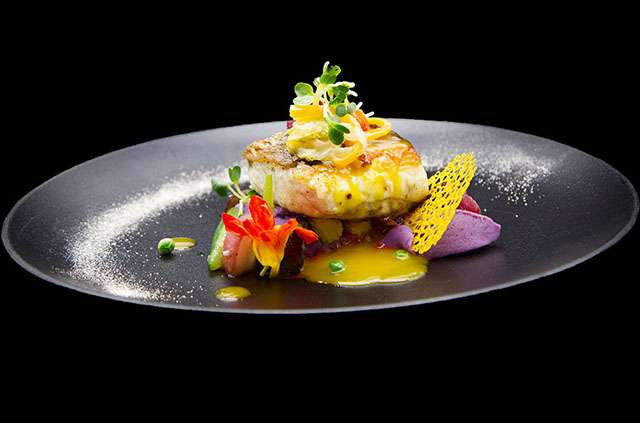
Seafood is naturally suited to Vietnamese and French fusion because both traditions value freshness and careful cooking. Vietnamese cuisine often highlights seafood with herbs, citrus, chili, and savory sauces, while French cooking brings techniques such as pan-searing, butter-based finishing, and precise temperature control.
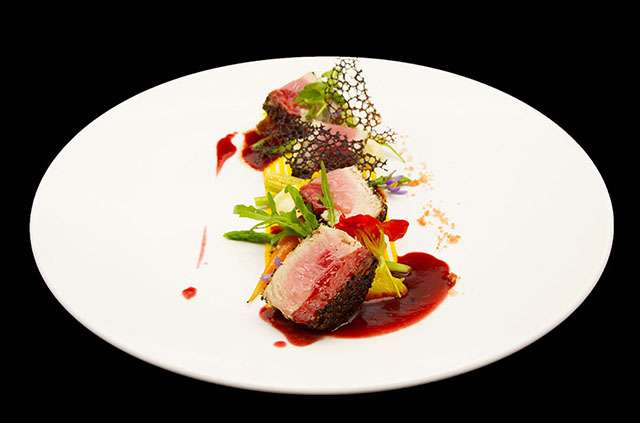
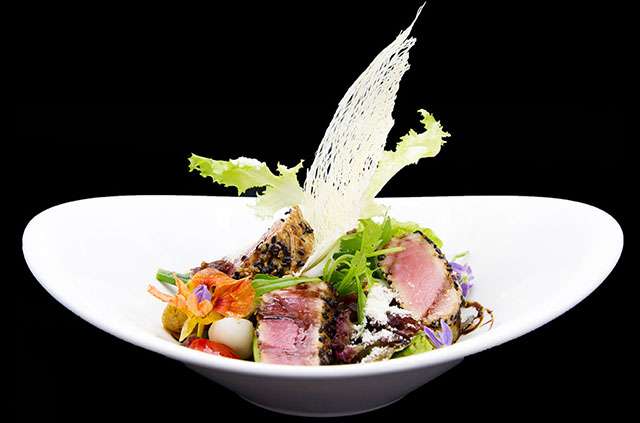
A tuna steak can express this balance particularly well. Its clean flavor benefits from a confident sear and restrained seasoning, while Vietnamese accompaniments can add acidity, fragrance, and heat. The finished dish feels polished but remains connected to the coastal ingredients common throughout Vietnam.
Salads can follow a similar path. Fresh greens and vegetables provide the lightness associated with Vietnamese meals, while a composed dressing, elegant arrangement, or carefully selected garnish reflects French culinary presentation. The result is refreshing rather than heavy, making it well suited to Saigon’s warm climate.
How The Fusion Appears On The Plate
The following qualities help explain how French and Vietnamese influences may work together across Duong Restaurant Saigon’s menu:
| Culinary element |
Vietnamese influence |
French-inspired expression |
| Rice noodles |
Rice-based staple, herbs, fresh vegetables |
Precise shaping and composed plating |
| Beef |
Savory marinades and aromatic ingredients |
Controlled cooking and refined presentation |
| Seafood |
Freshness, citrus, chili, and fish sauce |
Searing, sauce work, and elegant finishing |
| Mushroom soup |
Earthy ingredients and balanced seasoning |
Smooth texture and classic soup structure |
| Salads |
Raw vegetables, herbs, and bright flavors |
Layered arrangement and composed dressing |
| Tuna steak |
Clean, fresh regional seafood |
European-style searing and portioning |
This balance is also visible in the restaurant’s service style. French dining traditions often emphasize pacing, presentation, and attentive hospitality, while Vietnamese restaurants are known for warmth and generosity. Combining these qualities creates an experience that feels polished without becoming formal or distant.
Pairing Wine With A Cross-Cultural Menu
Wine pairing offers another way to understand the relationship between French culinary heritage and Vietnamese flavors. French dining culture helped establish wine as part of an elegant meal in Vietnam, but local dishes require a flexible approach because herbs, chili, acidity, and fish sauce can challenge heavier wines.
Light whites, crisp rosés, and some soft reds can work well with seafood, salads, beef, and mushroom-based dishes. The ideal choice depends on the dish’s sauce and seasoning rather than on the main ingredient alone. A delicate wine may suit a lightly dressed salad, while a fuller option can stand beside grilled or seared beef.
For practical guidance, explore Vietnamese wine pairing before planning a meal. Thoughtful pairing allows the French influence to support Vietnamese flavors instead of overwhelming them.
Make The Most Of The Dining Experience
The menu is best approached as a progression of textures and intensities. Begin with a fresh salad or light seafood dish, continue with a rice noodle beef roll or tuna steak, and consider mushroom soup when looking for a warmer, earthier course.
- Choose dishes that combine contrasting textures, such as tender beef with crisp herbs or smooth soup with fresh garnishes.
- Ask about the chef’s current recommendations when seasonal seafood or produce is available.
- Pair bright Vietnamese flavors with a crisp wine rather than automatically choosing the heaviest red.
- Allow time to appreciate the presentation, pacing, and balance between courses.
- Reserve ahead when planning a special evening in District 1 through the restaurant’s reservation details.
Duong Restaurant Saigon’s appeal lies in this thoughtful exchange between culinary traditions. French colonial influence provides technique, structure, and presentation, while Vietnamese cooking supplies freshness, fragrance, and a strong sense of place.
Visit Duong Restaurant Saigon on Dong Du Street to experience how Saigon’s history can be expressed through contemporary food. A meal there offers more than a fusion label: it brings together local ingredients, European culinary ideas, and the welcoming spirit of Vietnamese hospitality.