Duong Restaurant Saigon’s Philosophy on Sustainable Seafood
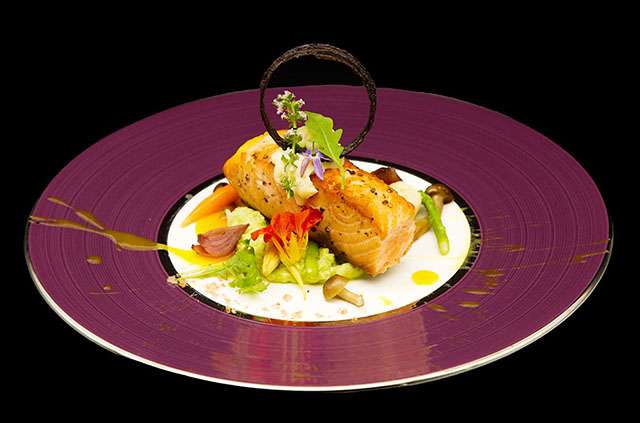
At Duong Restaurant Saigon, seafood is treated as a reflection of place, season, and culinary responsibility. Located on Dong Du Street in District 1, the restaurant brings Vietnamese ingredients and French techniques together through a chef-led dining experience where flavor begins with careful selection.
Sustainable seafood is about more than choosing fish from the water. It involves understanding seasonality, respecting natural resources, reducing unnecessary waste, and allowing each ingredient to retain its character. This approach fits naturally with Vietnamese food culture, where freshness, balance, and thoughtful preparation are central to the meal.
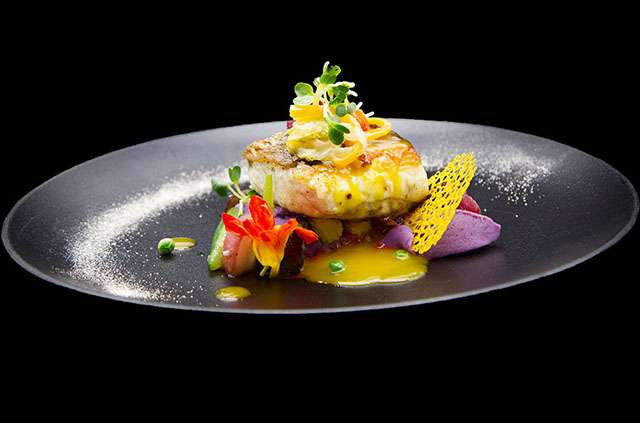
For diners, the result is a refined yet welcoming experience. Seafood dishes can feel elegant without losing their connection to local tastes, herbs, broths, and the lively food traditions of Ho Chi Minh City.
Seafood Begins With Responsible Sourcing
A considered seafood philosophy starts with awareness of where ingredients come from. Species selection, fishing methods, farming practices, and seasonal availability all influence the environmental impact of a dish. Restaurants that pay attention to these details can make better purchasing decisions and support a healthier marine ecosystem.
At Duong Restaurant Saigon, this principle is expressed through a focus on ingredient quality and culinary purpose. Seafood is selected for freshness, texture, and suitability to the menu rather than treated as a generic component. That care helps the kitchen create dishes that feel precise from the first bite.
Responsible sourcing also encourages flexibility. Instead of relying on one popular species throughout the year, a chef-led menu can respond to availability and use different seafood varieties at their best. This reduces pressure on overfished populations and keeps the dining experience connected to the seasons.
Seasonality Shapes The Menu
Seasonal seafood often offers a better balance of flavor, freshness, and resource awareness. When an ingredient is naturally available, it may require less intensive handling and fewer steps to reach the plate. It can also inspire a menu that changes with the conditions of the sea and the produce available from nearby growing regions.
This way of thinking suits Vietnamese cuisine, which has long valued fresh market ingredients and adaptable recipes. A seafood dish can change subtly with the catch, the herbs, or the vegetables available that day while preserving the character of the restaurant’s cooking.
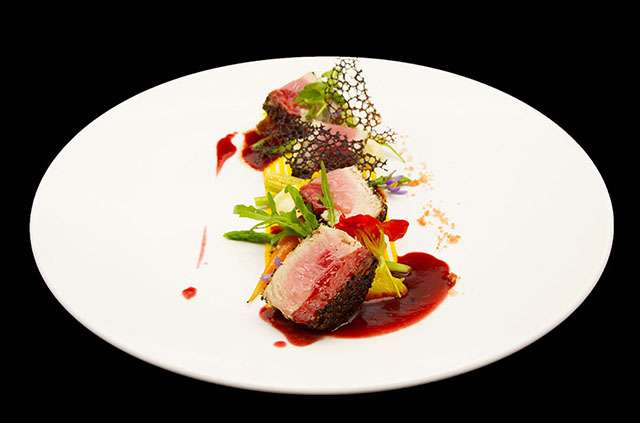
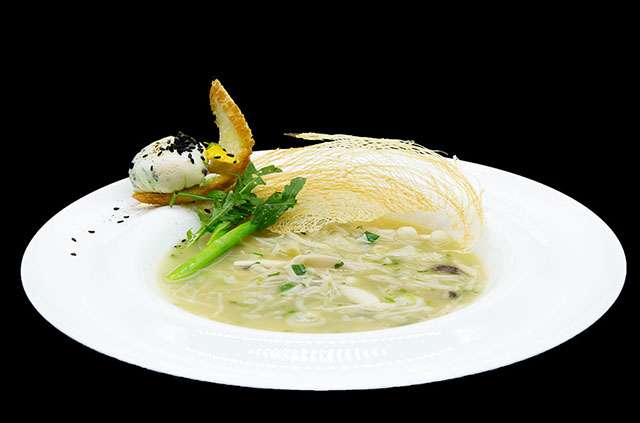
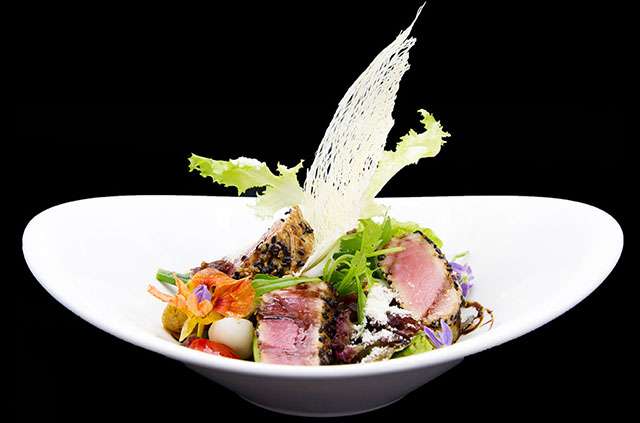
A tuna steak, seafood preparation, or delicate soup becomes more meaningful when the kitchen respects the ingredient’s natural qualities. Light seasoning, careful timing, and balanced sauces allow freshness to remain the focus rather than masking it with excessive richness.
Vietnamese Flavor With A Lighter Footprint
Sustainability also appears in the way seafood is prepared. Vietnamese cooking offers many techniques that make ingredients flavorful without requiring heavy sauces or complicated processing. Fresh herbs, citrus, aromatics, broths, and fermented accents can build depth while keeping the dish balanced.
French culinary influence adds another layer of precision. Sauces can be refined, seafood can be cooked carefully, and textures can be composed with the attention associated with fine dining. The combination creates a style that respects the ingredient while giving it a distinctive place within the meal.
The relationship between herbs and technique is especially important. Diners interested in this connection can explore Vietnamese Mint And French Tarragon to see how contrasting culinary traditions can work together through aroma, freshness, and balance.
| Sustainable principle |
Culinary expression |
Guest experience |
| Seasonal selection |
Menus adapt to available seafood and produce |
Fresher flavors and greater variety |
| Careful preparation |
Cooking preserves texture and natural taste |
Seafood feels clean, precise, and satisfying |
| Whole-ingredient thinking |
Usable portions are planned thoughtfully |
Less waste and more layered dishes |
| Vietnamese-French balance |
Local herbs meet refined techniques |
Familiar flavors presented with elegance |
| Informed dining |
Ingredients are treated with attention and context |
A meal connected to place and purpose |
Quality Means Using More Of The Ingredient
Waste reduction is an important part of responsible seafood cooking. Trimmings, shells, bones, and other usable parts can contribute to stocks, sauces, broths, or garnishes when handled safely and thoughtfully. This approach encourages the kitchen to see the ingredient as a complete resource rather than a single fillet.
Careful portioning matters as well. A well-composed plate does not need to be oversized to feel generous. Balanced accompaniments, satisfying textures, and a focused presentation can create a complete fine-dining experience while helping the kitchen manage ingredients responsibly.
This philosophy can extend across the menu. Mushroom soup, salads, rice noodle beef rolls, and seafood dishes each offer opportunities to build flavor through vegetables, herbs, stocks, and sauces. A diversified menu allows the restaurant to create variety without placing all the emphasis on one type of seafood.
A Thoughtful Meal In The Heart Of District 1
Dining sustainably also involves appreciating the relationship between a restaurant and its surroundings. Duong Restaurant Saigon’s location on Dong Du Street places guests close to the energy, history, and movement of central Ho Chi Minh City. A meal becomes part of a wider experience of local culture rather than an isolated occasion.
For visitors planning a food-focused itinerary, the restaurant’s District 1 Dining Guide offers useful context for exploring nearby restaurants, attractions, and the character of the neighborhood. Choosing a conveniently located dining destination can also make it easier to combine a meal with walking and sightseeing.
The cozy atmosphere supports this sense of connection. Guests can slow down, notice the details of a dish, and enjoy attentive service without the experience feeling formal or distant. Sustainable dining becomes more engaging when the story of the ingredients is matched by comfort and hospitality.
Choices That Support Responsible Seafood
Diners can participate in a more sustainable seafood culture through small, practical decisions. These choices support the restaurant’s efforts and encourage greater awareness of how seafood reaches the plate.
- Choose seasonal seafood when it is available and ask about the day’s recommended preparation.
- Appreciate whole-ingredient cooking, including broths, sauces, and garnishes made from carefully used components.
- Select a balanced meal with vegetables, herbs, soup, or salad alongside seafood.
- Order thoughtfully so portions match the occasion and food waste is minimized.
- Take time to enjoy the preparation, flavor, and origin of each dish rather than treating seafood as an interchangeable ingredient.
These habits do not require sacrificing pleasure or sophistication. They make a meal more intentional and help diners recognize the work involved in responsible sourcing, careful preparation, and attentive service.
At Duong Restaurant Saigon, sustainable seafood is best understood as an ongoing culinary commitment: respect the ingredient, follow the seasons, reduce waste, and let Vietnamese and French influences create harmony on the plate. Reserve a table on Dong Du Street to experience how this philosophy comes together in a warm, chef-led dining setting in the heart of Ho Chi Minh City.