A Guide to Non-Alcoholic Pairings at Duong Restaurant Saigon
A thoughtfully chosen drink can shape an entire meal. At Duong Restaurant Saigon on Dong Du Street, non-alcoholic pairings bring out the freshness of Vietnamese ingredients while complementing the restaurant’s French-inspired culinary techniques.
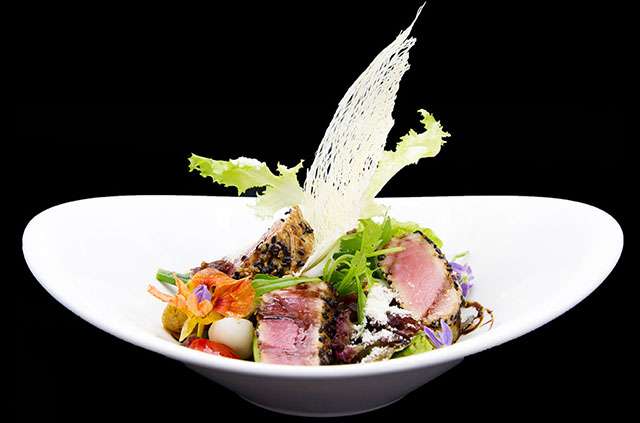
The right beverage can brighten a salad, soften the richness of a tuna steak, or echo the aromatic herbs found in rice noodle beef rolls. These pairings also give diners a way to explore layered flavors without allowing alcohol to dominate the table.
Whether you prefer sparkling refreshment, delicate tea, or a fruit-forward cooler, the dining experience becomes more complete when every sip has a purpose. This guide explains how to approach non-alcoholic options at Duong Restaurant Saigon and how to match them with a chef-led menu.
Why Non-Alcoholic Pairings Matter
Vietnamese cuisine often combines several sensations in one dish: sweet, sour, salty, spicy, herbal, and savory. A suitable drink can cleanse the palate between bites, highlight a particular ingredient, or create a calmer contrast with bold seasoning.
Non-alcoholic beverages are especially useful in a fine dining setting because they preserve the details of the food. Guests can focus on broth, seafood, mushrooms, herbs, and sauces while enjoying a carefully balanced drink alongside the plate.
They also suit a wide range of occasions, from business lunches and family meals to elegant dinners when some guests prefer to avoid alcohol. A pairing does not need to be complicated to feel considered; freshness, temperature, aroma, and sweetness are often enough.
Match Drinks With Flavor And Texture
Acidity is one of the most versatile qualities in a pairing. Citrus-based drinks can refresh the palate after rich sauces or fried elements, while a gently sparkling beverage can lift seafood and salads without covering their natural character.
Sweetness should be used with care. A lightly sweet tropical drink may work well with chili, pepper, or sour dipping sauces, but an overly sugary beverage can make a delicate dish seem flat. For savory plates, choose fruit notes that remain crisp rather than syrupy.
Tea offers another useful direction. Green tea can complement herbs and vegetables, roasted tea can support earthy mushrooms, and fragrant floral tea can add a gentle finish to a meal. Texture matters as well: a chilled drink feels lively with fresh seafood, while a warm infusion can make a mushroom soup feel more comforting.
Pairing Ideas For Duong’s Menu
The following combinations provide a practical starting point for dishes served at Duong Restaurant Saigon. They are flexible rather than rigid, allowing the guest’s preference and the final menu selection to guide the decision.
| Dish or Flavor Profile |
Recommended Non-Alcoholic Pairing |
Why It Works |
| Rice noodle beef rolls |
Lemongrass and lime soda |
Citrus lifts the beef, while lemongrass echoes the dish’s aromatic herbs |
| Seafood dishes |
Chilled sparkling water with citrus |
Bubbles refresh the palate and citrus keeps seafood tasting clean |
| Tuna steak |
Unsweetened iced tea with ginger |
Tea provides structure, while ginger adds warmth without overpowering the tuna |
| Mushroom soup |
Roasted rice tea |
Toasted notes complement the earthiness of mushrooms |
| Fresh salads |
Passion fruit spritzer |
Tangy fruit balances greens, herbs, and light dressings |
| Spicy Vietnamese-inspired dishes |
Coconut and pandan cooler |
Gentle creaminess and fragrance soften heat |
Rice noodle beef rolls benefit from a bright, herbal drink because the pairing reinforces their freshness. A lemongrass and lime profile can mirror Vietnamese aromatics while cutting through the savory beef.
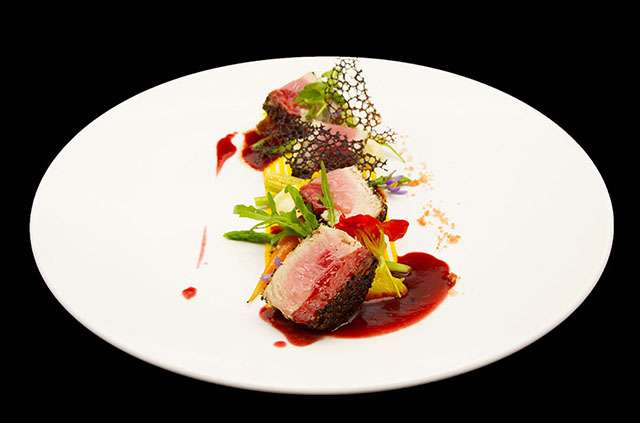
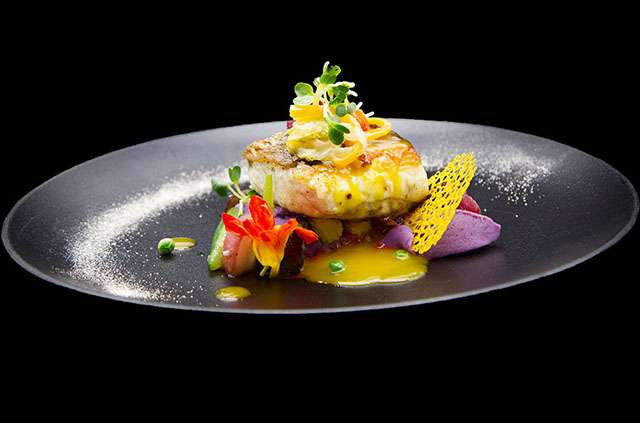
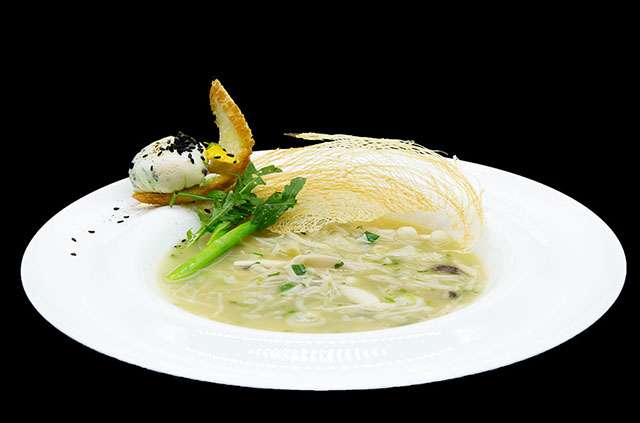
Seafood and tuna steak call for restraint. Sparkling water with a thin slice of citrus keeps the palate refreshed, while ginger tea adds a subtle aromatic edge to tuna without masking its texture. For mushroom soup, roasted rice tea creates a deeper, earthier connection.
Vietnamese Character With French Influence
Duong’s menu reflects the meeting of Vietnamese ingredients and French culinary influence. This combination can be especially interesting when choosing a non-alcoholic drink, since a pairing may need to bridge fresh herbs and bold seasoning with refined sauces, careful presentation, and richer textures.
A crisp citrus cooler works with the bright, clean side of Vietnamese cooking. For dishes with creamier, buttery, or more concentrated elements, a tea with roasted or floral notes can provide balance. The goal is harmony rather than imitation: the drink should support the food’s character and leave room for each ingredient to remain recognizable.
Understanding this culinary background can add context to the meal. The restaurant’s discussion of French culinary influence offers useful insight into how historical techniques and local flavors meet on the menu.
Seasonal And Local Inspiration
Ho Chi Minh City’s tropical climate makes chilled, aromatic drinks a natural choice. Lime, passion fruit, coconut, pandan, lemongrass, ginger, and fresh herbs can create vivid pairings that feel connected to the city while remaining polished enough for a fine dining setting.
Seasonality also affects the best match. A hot afternoon may call for sparkling water, iced tea, or a light fruit spritzer. During a slower evening meal, a warm herbal infusion can provide a more relaxed rhythm between courses.
Dining in District 1 also offers an opportunity to connect the restaurant experience with the city’s food culture. Guests interested in local ingredients and market life can explore Binh Tay Market, then bring that curiosity to the table by noticing the herbs, spices, and tropical flavors used in their meal.
Practical Pairing Recommendations
A successful pairing depends on personal taste as much as on culinary theory. Some diners prefer sharp acidity, while others enjoy gentle sweetness or the clean finish of plain sparkling water. Use the following principles when selecting a drink:
- Choose citrus or sparkling options for seafood, salads, and fresh herb-forward dishes.
- Select ginger, roasted rice, or lightly spiced tea for tuna, beef, and savory sauces.
- Use coconut, pandan, or mild fruit coolers to soften chili and aromatic spices.
- Keep very sweet drinks for dishes with pronounced heat, sourness, or salty sauces.
- Ask the service team about available beverages and explain whether you prefer crisp, floral, earthy, or refreshing flavors.
It is also helpful to pace the meal. Begin with a clean, refreshing drink, then move toward fuller tea or fruit flavors as the courses become richer. A small pause between sips allows the drink to reset the palate rather than competing with the next bite.
Duong Restaurant Saigon’s cozy atmosphere and attentive service make it easy to treat beverage selection as part of the dining experience. A pairing can be simple, elegant, and entirely alcohol-free while still adding depth to the meal.
Reserve your table on Dong Du Street and ask the Duong team about the non-alcoholic drinks that best suit your chosen dishes. Let the menu, the season, and your preferred flavors shape a memorable Vietnamese and French fusion dining experience in Ho Chi Minh City.