Vegetarian options at Duong Restaurant Saigon beyond salad
If you are looking for a guide to vegetarian options at Duong Restaurant Saigon that aren’t salad, begin with the Vietnamese and French fusion menu on Dong Du Street in District 1, Ho Chi Minh City. The chef-led kitchen serves composed plates, noodles, soups, seafood and Vietnamese-inspired vegetables, giving guests more than a leafy starter. Ask about each sauce, stock and cooking method, then let the team suggest a suitable alternative.
Vegetarian dining depends on preparation, not simply the absence of a steak. Spring rolls, mushroom soup or rice-noodle dishes may contain fish sauce, shrimp paste, oyster sauce, butter or stock. Tell the team that you avoid meat and fish, identify allergies, and ask whether a filling or sauce can be adapted. The cosy atmosphere, attentive service and changing menu reward advance planning for Australians visiting Ho Chi Minh City.
Flavours to explore beyond the salad bowl
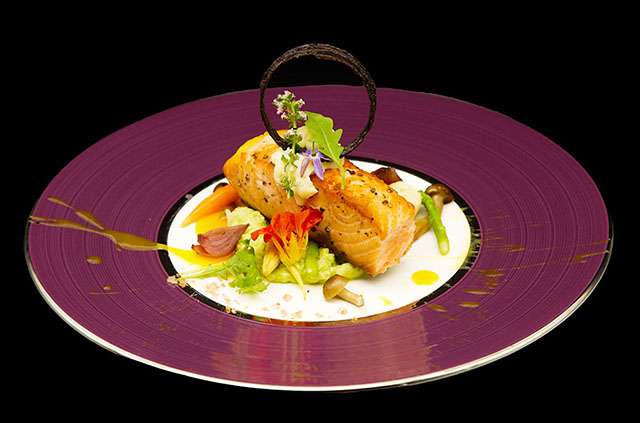
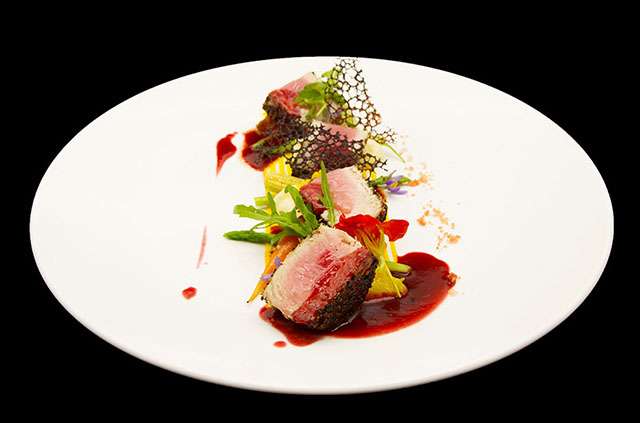
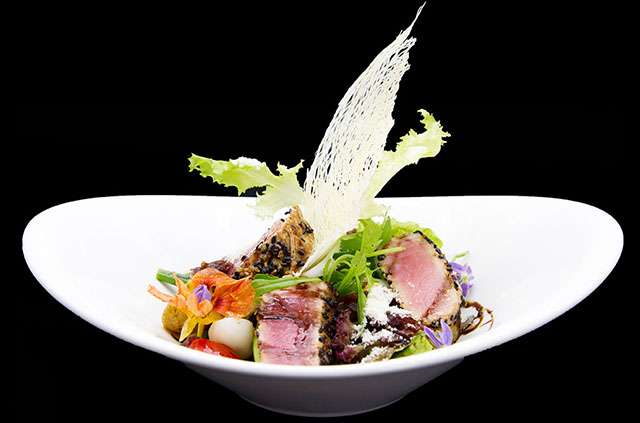
Duong’s menu benefits from a broad definition of savoury Vietnamese cooking. French technique brings rich stocks, butter and careful plating to herbs, chillies, peanuts and tropical produce, and can suit mushrooms, aubergine, okra, tofu or greens when recipes are confirmed. Treat seafood and tuna steak as menu landmarks rather than vegetarian choices, and read descriptions closely.
Start with the restaurant team. Ask whether mushroom soup uses vegetable stock and contains fish sauce, shrimp paste or fermented seafood. For noodles or rolls, check the protein, cooking fat and dipping sauce separately. In a fine-dining kitchen, shared equipment can create cross-contact, so say clearly: I’m vegetarian, please check ingredients and preparation, and let me know what can be adapted.
Noodles, rolls and savoury plates
Promising savoury routes include fried spring rolls, rice-noodle rolls and vegetable-forward plates. The listed rice noodle beef rolls are not automatically suitable; ask whether the beef can be replaced with mushrooms or tofu, and whether the wrapping, seasoning and sauce are meat- and fish-free. A chef may recommend another dish if the roll depends on beef.
The restaurant’s crispy spring rolls guide shows the pastry, filling and frying method. That detail helps when ordering: request a vegetable filling if available, specify a vegetarian dipping sauce, and check whether the parcels are fried in shared oil. Sauce on the side gives you control over fish sauce or chilli.
Other choices may centre on mushrooms, tofu, aubergine, beans, greens or fresh herbs. A French-inspired vegetable plate can be rich, while a Vietnamese-style dish can be sharp with lemongrass, lime and chilli. Salads can accompany the meal, but the centrepiece may be a warm roll, soup, noodles or checked vegetables.
Soup, vegetables and smoky depth
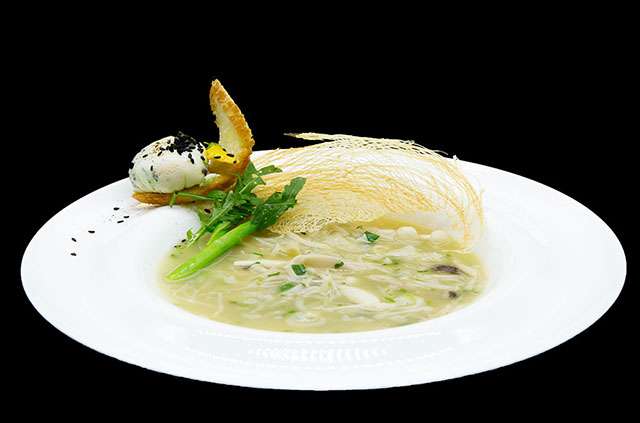
Mushroom soup is a natural first course, especially if the broth is clarified without seafood stock. Ask about the stock, garnish and finishing oil before ordering. A bowl with mushrooms, herbs and chilli can be satisfying on its own, while a crisp main follows naturally. If the soup contains meat or fish sauce, ask whether a vegetarian preparation is possible.
Smoke, char and toasted spices give vegetable-led plates depth. Look for grilled or wok-seared produce and ask about seasoning and cooking fat. For home cooks exploring smoke-roasted vegetables, this electric smoker guide offers a practical starting point. Use it as home inspiration rather than a description of Duong’s method.
Checks to make before and during your meal
A short conversation at booking or arrival can prevent avoidable mistakes. Give the kitchen these details, then use the confirmed choices to create a balanced meal:
- Say that you are vegetarian and do not eat meat or fish, then ask about fish sauce, shrimp paste and oyster sauce.
- Check whether stocks, butter, cheese or lard contain animal-derived ingredients.
- Ask for a vegetable, tofu or mushroom version of rolls, noodles or soup where allowed.
- Ask whether the fryer, griddle or wok is shared with meat or seafood.
- Mention allergies separately, including peanuts, shellfish, soy or gluten.
At the table, keep the meal varied and light enough to enjoy each course:
- Begin with mushroom soup or a warm vegetable starter.
- Choose a noodle, roll or vegetable plate as the centre of the meal.
- Add herbs, cucumber, chilli and citrus for freshness.
- Request sauces and dressings separately when ingredients are unclear.
- Finish with tea while optional seafood additions are confirmed.
Matching the menu to Australian dining habits
Australian diners often expect clear vegetarian choices, especially in cities with Vietnamese communities. Sydney’s Cabramatta, Melbourne’s Victoria Street and Brisbane’s Fortitude Valley have established Vietnamese dining scenes, where menus often distinguish vegetarian, vegan and meat-free dishes. That familiarity makes direct communication at Duong valuable: a Vietnamese term such as chay can carry different assumptions about fish sauce, so spell out your needs.
Australian service is conversational and low-key. Words such as no worries or I’m keen to try can ease an interaction, while the useful detail remains clear: no meat, no fish and a sauce check. Australian restaurants also update menus seasonally and accept dietary notes through booking platforms; Duong’s chef-led menu may work differently, so confirm directly and early.
Do not assume the table wants every dish mild. Australian menus celebrate chilli, lime and fresh herbs, and diners may appreciate those fresh notes beside a rich French-inspired sauce. Ask for seasoning to be adjusted where possible, and let the team balance smoky, sour, sweet and spicy flavours.
Photographing the meal before it disappears
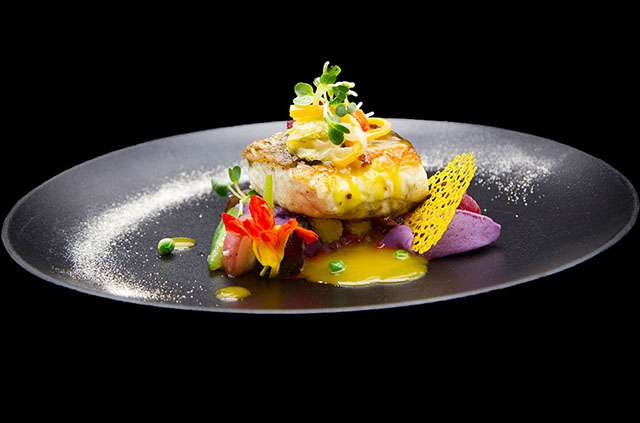
Presentation is part of the experience. The food photography guide offers ideas for framing a plate, catching steam and showing balanced garnishes without clutter. Decide what to capture before the first bite: crisp spring-roll edges, glossy vegetable sauce or herbs floating in soup.
Many Australians use a phone camera for family memories or social posts, so an image can preserve dinner and the cosy atmosphere. Photography cannot reveal ingredients. Check the dish details first, then use the guide’s angles and lighting suggestions to create an honest picture.
Reserve your table and ask about today’s menu
For current opening information, reservations and the chef’s menu, visit Duong Restaurant Saigon. The site also provides photographs and guides to dining, attractions and travel in Ho Chi Minh City, helping you fit dinner into a District 1 itinerary. Ask the team about arrival times and travel from your hotel.
Reserve your table, send your dietary requirements when booking, and ask the kitchen to check the dishes you fancy. Arrive ready to explore Vietnamese ingredients through French technique, then enjoy a thoughtful Duong Restaurant Saigon dinner with every stock and sauce confirmed.