Duong Restaurant Saigon’s Guide To Food Photography
A memorable meal at Duong Restaurant Saigon deserves more than a quick snapshot. With Vietnamese-inspired dishes, French culinary influences, and an intimate dining room on Dong Du Street, the restaurant offers plenty of visual details for a thoughtful social media post.
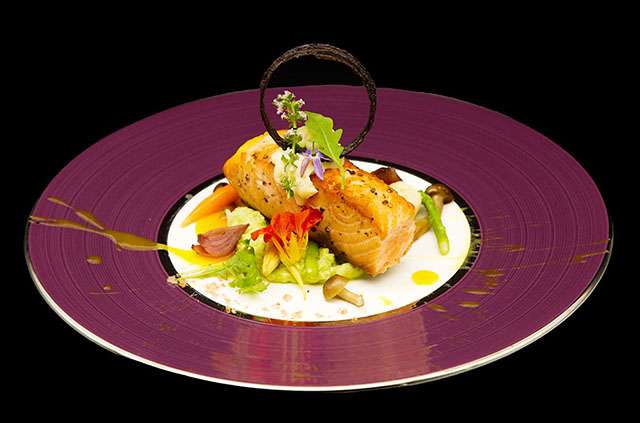
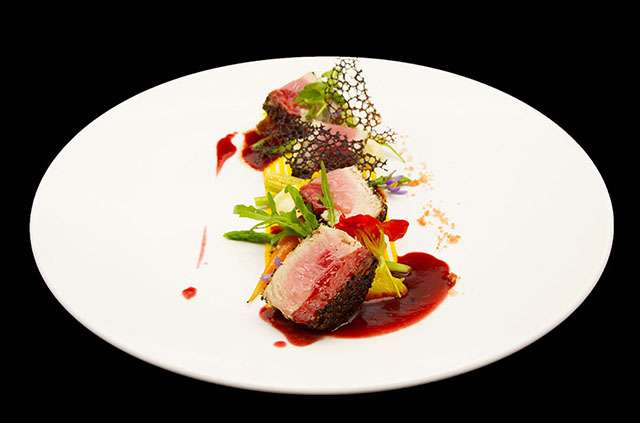
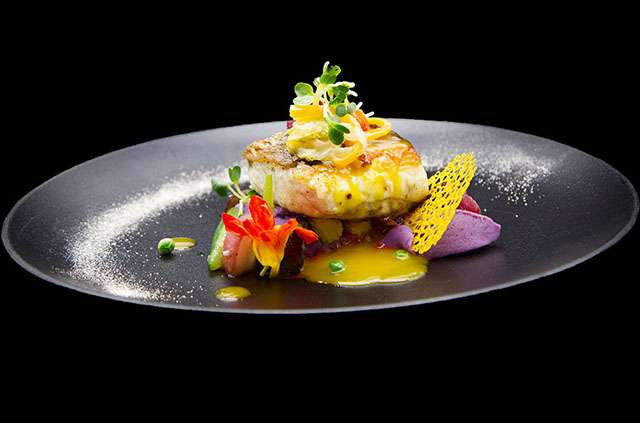
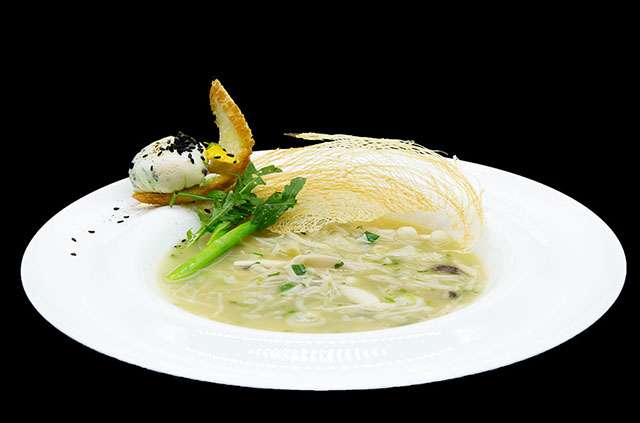
Food photography is less about owning expensive equipment and more about observing light, composition, texture, and timing. A rice noodle beef roll, tuna steak, seafood dish, or bowl of mushroom soup can each tell a different story when photographed with care.
The goal is to make an image feel inviting while preserving the character of the meal. These practical restaurant photography tips can help diners create polished content without interrupting the experience at the table.
Find The Best Natural Light
Natural light usually gives food the most attractive color and texture. If possible, choose a seat near a window or a softly lit part of the dining room. Window light can reveal the gloss of a sauce, the crisp edge of a salad, or the delicate folds of a Vietnamese herb garnish.
Avoid placing the dish directly under a strong overhead lamp. Harsh light can create deep shadows and bright reflections, especially on plates, glasses, and seafood. If the table is dim, move the plate slightly toward available light rather than turning on the phone flash.
Side lighting works especially well for dishes with layers and texture. Position the food so that light comes from the left or right, then gently adjust the plate until the highlights look natural. A small change in angle can make the ingredients appear fresher and more dimensional.
Choose A Composition That Feels Natural
Before taking a photograph, remove distracting objects from the frame. Extra menus, used napkins, phones, and empty glasses can pull attention away from the dish. Keep a few intentional elements, such as chopsticks, cutlery, or a drink, to suggest the setting without creating clutter.
A 45-degree angle is versatile for plated dishes and table scenes. It shows both the food and the atmosphere around it. For a bowl of soup or a beautifully arranged salad, a top-down image can work better because it captures the full shape and color arrangement.
Leave some negative space around the plate. A crowded frame can make a refined dish look smaller and less appealing. Take several versions with different distances, then choose the image where the main ingredient is immediately clear.
Photograph Texture, Color, And Craft
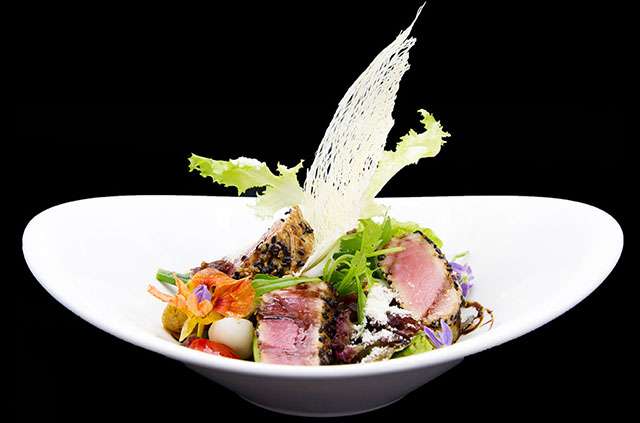
Strong food images make viewers imagine taste. Look for contrasting textures: the softness of beef, the crispness of vegetables, the sheen of seafood, or the creamy surface of a carefully prepared soup. Focus on the detail that makes the dish distinctive rather than trying to show every ingredient equally.
Color balance also matters. Fresh herbs, roasted ingredients, sauces, and vegetables can provide natural contrast against a neutral plate. Vietnamese mint and French tarragon are examples of ingredients that add both flavor and visual character; this story about herb fusion offers useful context for capturing those details with purpose.
Use the phone’s focus feature by tapping the most important part of the dish. On many smartphones, holding the screen can lock focus and exposure. Lower the exposure slightly if pale plates or reflective sauces appear too bright.
Match The Angle To The Dish
Different foods benefit from different viewpoints. A tall arrangement, such as a composed seafood plate, often looks best from a lower 45-degree perspective. This angle emphasizes height and gives the dish a more dramatic presence.
Flat dishes with colorful ingredients are well suited to overhead photography. A rice noodle beef roll sliced to reveal its filling can be photographed from above or at a close side angle, depending on whether the filling or the full plate is the main subject.
Timing is important for hot dishes. Photograph soups and freshly served plates soon after they arrive, while steam and surface gloss are still visible. For a tuna steak, wait briefly for a clean slice or garnish detail, then capture the interior before the plate is disturbed.
| Dish Style |
Suggested Angle |
Detail To Emphasize |
Best Framing |
| Rice noodle beef rolls |
45-degree or close side view |
Filling, herbs, sliced layers |
Include chopsticks or dipping sauce |
| Seafood |
Slightly low angle |
Gloss, color, and arrangement |
Keep the plate edges visible |
| Tuna steak |
Close 45-degree view |
Searing and interior texture |
Use negative space around the steak |
| Mushroom soup |
Overhead or gentle side view |
Surface, steam, and bowl shape |
Include a spoon for scale |
| Fresh salad |
Overhead |
Color contrast and herb garnish |
Arrange ingredients in a balanced frame |
Capture The Dining Atmosphere
A social media feed becomes more engaging when it includes more than isolated close-ups. Take a few wider photographs that show the table setting, warm interior, glassware, or a companion reaching for a dish. These images help communicate the restaurant experience while keeping the food central.
Photograph details before the table becomes busy. A server placing a dish, hands sharing a plate, or chopsticks lifting a bite can add movement and human connection. Ask permission before including identifiable guests, and avoid photographing staff closely without consent.
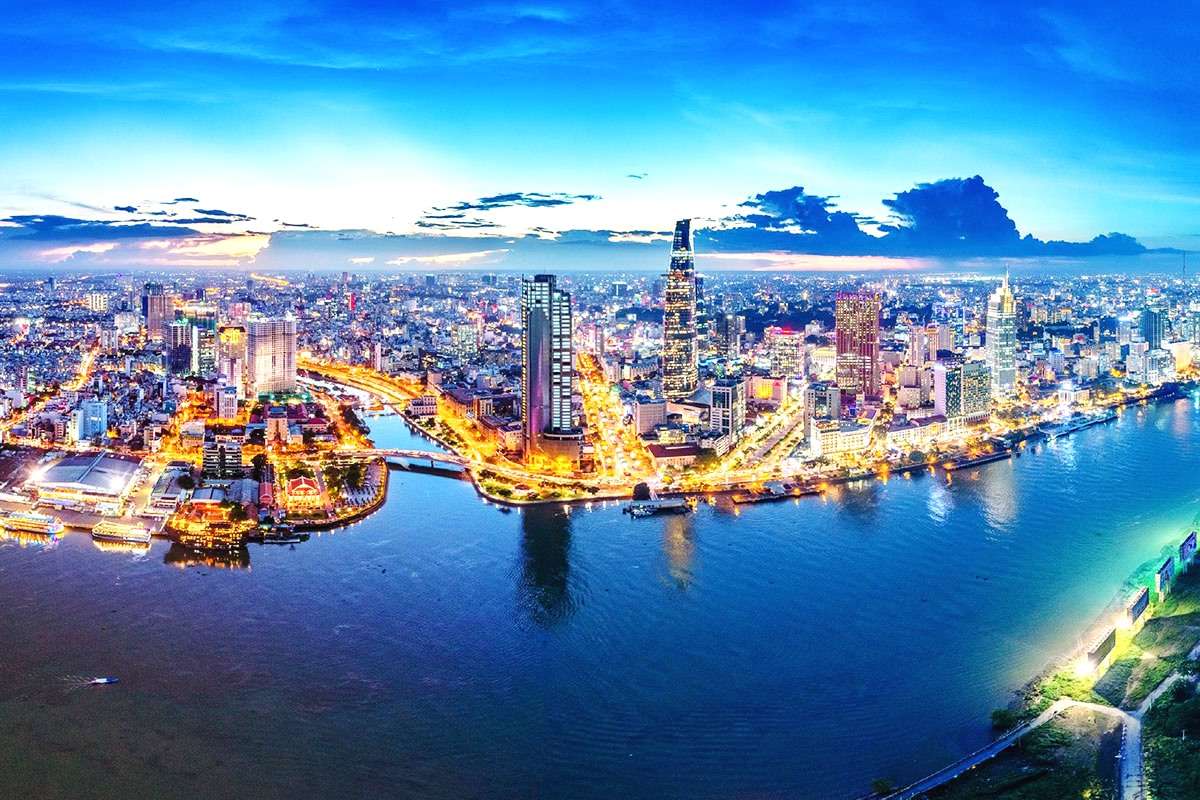
Duong Restaurant Saigon’s location also provides a natural way to extend the story beyond the meal. Pair a dining photograph with a later city image and explore Ho Chi Minh City attractions for ideas that connect the restaurant visit with the wider Saigon experience.
Edit With A Light Touch
Editing should clarify the photograph, not make the food look artificial. Begin by correcting brightness and white balance. If the image looks too yellow from indoor lighting, reduce warmth carefully while keeping the dish’s natural tones.
Increase contrast and sharpness in moderation. Excessive clarity can make herbs appear harsh and sauces look unnatural. A small boost in saturation may help vegetables and garnishes, but skin tones, white plates, and seafood should remain believable.
Crop for the platform where the image will appear. A vertical crop is useful for stories and short-form video covers, while a square or horizontal image may suit a restaurant carousel. Keep the original file so you can create different versions without losing quality.
Build A Consistent Restaurant Feed
A strong food portfolio benefits from visual consistency. Use similar brightness, color treatment, and spacing across posts so viewers recognize your style. This does not mean every photograph must look identical; consistency can come from repeating a warm mood, clean backgrounds, or close attention to ingredients.
Captions should add useful context rather than simply naming the dish. Mention a notable ingredient, describe the texture, or explain why the dining setting made the image memorable. Tagging the restaurant and using relevant location-based hashtags can help local diners discover the post.
Use these practical habits before publishing:
- Clean the camera lens to remove haze and fingerprints.
- Photograph the whole plate before taking close-up detail shots.
- Turn off flash whenever soft natural or ambient light is available.
- Leave room for captions when composing vertical images.
- Post a mix of food, atmosphere, and Saigon neighborhood scenes.
Let the camera support the meal rather than interrupt it. At Duong Restaurant Saigon, focus on the ingredients, the chef-led presentation, and the relaxed rhythm of dining. Capture a few deliberate images, share the story behind them, and reserve a table to experience the dishes in person.