A Local’s Guide to Ordering Like a Regular at Duong Restaurant Saigon
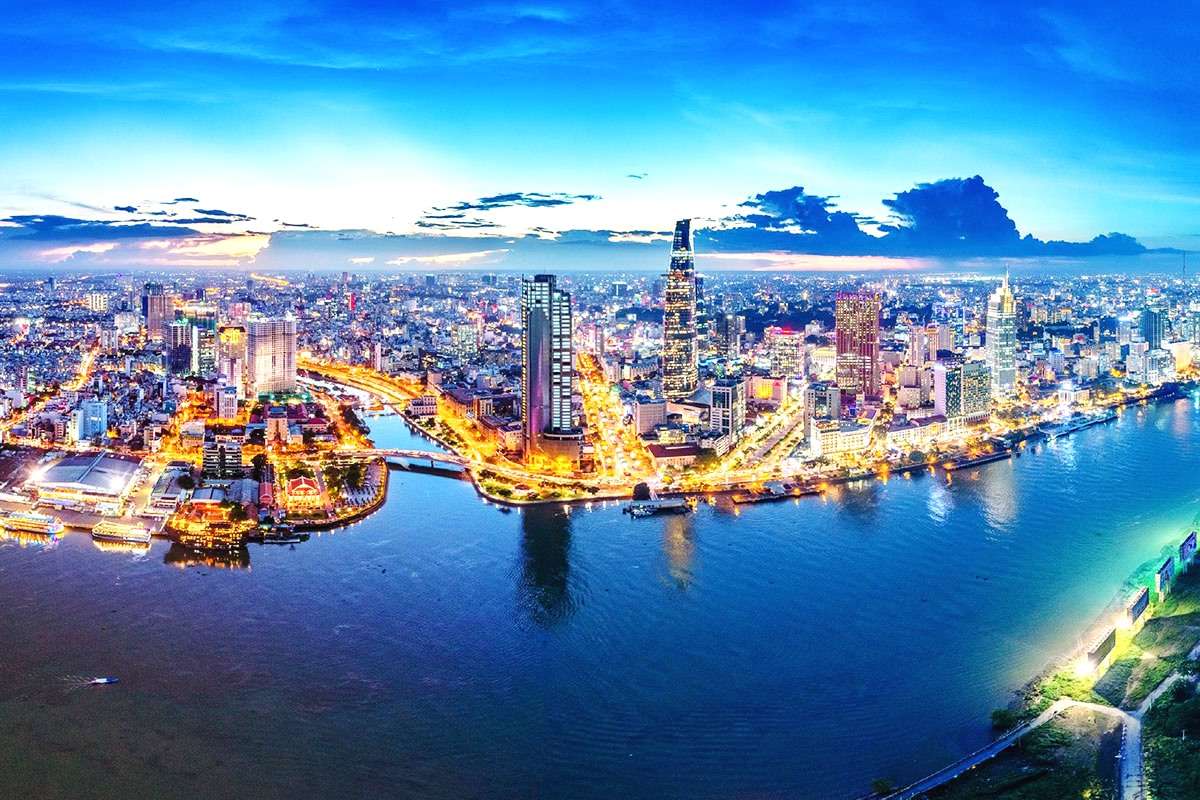
Duong Restaurant Saigon sits on Dong Du Street in District 1, close to some of Ho Chi Minh City’s most visited landmarks. Its menu brings Vietnamese ingredients and familiar French techniques together, making it a rewarding choice for travellers who want something more considered than a quick bowl of phở.
Ordering well here is less about finding one “must-try” dish and more about building a balanced meal. A local-style table usually combines contrasting textures, fresh herbs, a warm main course, and enough variety for everyone to share.
Australian diners may notice a few differences in pace, portions, drink service, and payment customs. With a little planning, visitors from Sydney, Melbourne, Brisbane, or elsewhere can settle into the restaurant’s relaxed fine-dining atmosphere and make confident choices.
Read the Menu Through Vietnamese Flavours
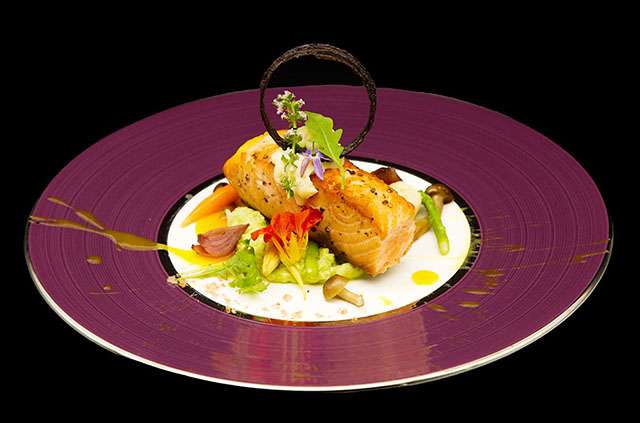
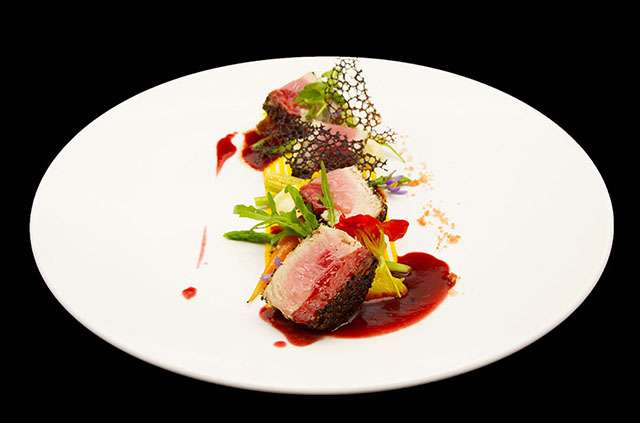
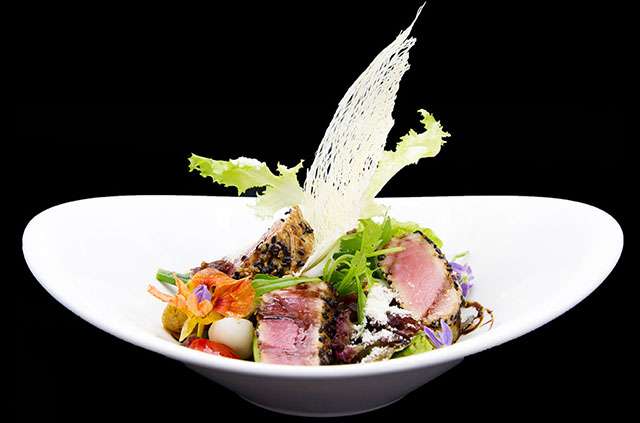
Begin by looking for balance rather than ordering several rich dishes. Vietnamese cooking often moves between savoury, sweet, sour, salty, spicy, and aromatic flavours. A seafood plate can sit comfortably beside a fresh salad, while beef rolls or a tuna steak can provide a more substantial centrepiece.
Rice noodle beef rolls are a useful starting point for a shared meal. They combine tender meat with noodles and fresh accompaniments, giving the table a mixture of softness, freshness, and seasoning. If your group prefers gentler flavours, ask the staff about sauces and chilli before ordering.
The restaurant’s chef-led approach means the menu may reward curiosity. Ingredients such as ginger, herbs, mushrooms, seafood, and tropical produce are used to add fragrance rather than simply heat. This fresh ginger guide offers useful context for understanding why a small aromatic ingredient can shape an entire dish.
Start With Shared Plates
For two people, begin with one light starter and one vegetable or salad dish before choosing a main course each. This keeps the meal varied without leaving too much food on the table. For three or four diners, add another appetiser so everyone can sample different preparations.
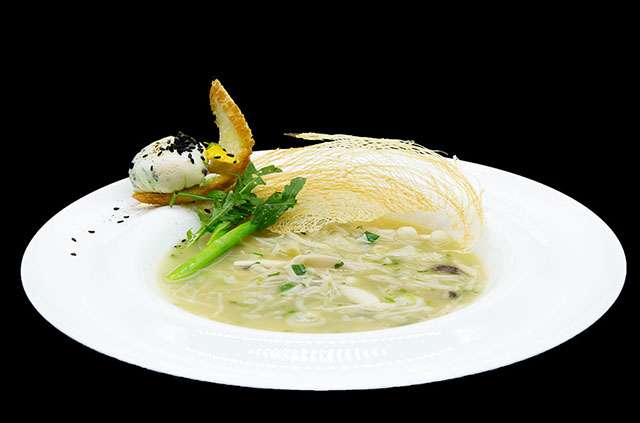
Salads are especially useful for balancing richer dishes. They bring acidity, herbs, and crunch, which can refresh the palate between bites of beef, tuna, or seafood. Mushroom soup is another comfortable option when the group wants something warm and gentle at the beginning.
Australian restaurants often serve generous individual portions, and many diners are used to ordering one main per person. At Duong, sharing is usually the better approach for tasting Vietnamese-inspired cuisine. Ask the staff how large a dish is before adding another course, particularly if you are also ordering rice or noodles.
Choose a Main Course With Contrast
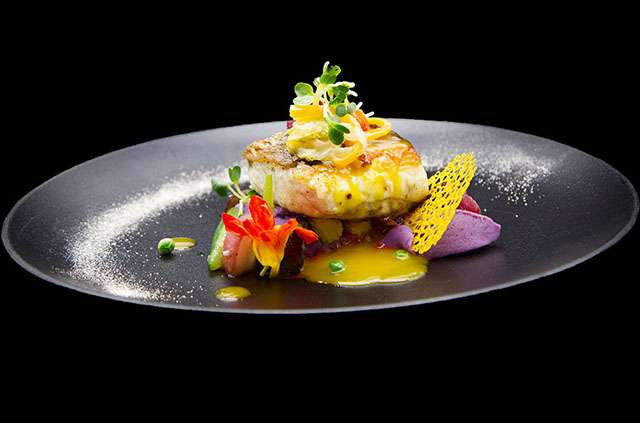
A well-composed order might include seafood for its delicate sweetness, tuna steak for a firmer texture, and beef rolls for aromatic depth. There is no need to choose three similar proteins. Contrasting dishes make the meal feel more complete and allow the table to discover how the kitchen handles different ingredients.
Consider how each dish will work with the others. A grilled or seared main can be paired with a salad, while a saucier dish may benefit from rice or noodles. If you enjoy French dining, look for preparations that use refined sauces or careful presentation while retaining Vietnamese herbs and seasoning.
Guests with dietary needs should speak directly with the restaurant before ordering. Australian diners may be accustomed to clear allergen information under Food Standards Australia New Zealand rules for packaged foods, but a restaurant menu in Vietnam may not display the same level of detail. Explain allergies plainly and allow the staff time to check ingredients.
Make Room for Fresh Herbs and Aromatics
Herbs are part of the identity of Vietnamese food, not a decorative extra. Mint, coriander, Thai basil, lemongrass, ginger, and other aromatics can change the character of a dish. Try a bite as served first, then add or combine the accompanying herbs to find the balance you prefer.
Travellers who usually choose mild food in Australia should distinguish between chilli heat and aromatic intensity. Ginger, pepper, lemongrass, and fish sauce can be powerful without making a dish hot. If you are sensitive to spice, request mild seasoning while keeping the herbs and other fragrant elements.
A meal at Duong also fits naturally into a District 1 itinerary. After lunch, visitors can explore the War Remnants Museum, while an earlier dinner can follow a walk around Dong Khoi Street and the riverside.
Pair Drinks With the Meal
Vietnamese coffee, tea, fruit-based drinks, wine, and other refreshments can all suit the menu, depending on the dishes selected. Tea is a practical choice when you want the food to remain central, while a glass of wine may work well with seafood or a carefully prepared tuna dish.
Australian dining habits often include ordering tap water immediately, comparing wine lists, or asking whether a venue is BYO. In Ho Chi Minh City, do not assume that BYO is available or that Australian-style free table water and service arrangements apply. Check politely with the restaurant, and remember that tipping is discretionary in Vietnam rather than a fixed obligation.
Alcohol service also deserves attention. Australian states and territories regulate licensed venues through responsible service of alcohol systems, but those rules do not operate in exactly the same way in Vietnam. Follow the restaurant’s service guidance, especially when combining drinks with a long evening of sightseeing.
Plan the Visit Around District 1
Dong Du Street is central, busy, and convenient, but traffic can make short distances take longer than expected. Allow extra time if travelling from Thao Dien, the airport, or across the city during the evening rush. Booking ahead is sensible for a special meal, a weekend visit, or a larger group.
The restaurant’s setting makes it suitable for a relaxed lunch, an early dinner, or a more leisurely evening. If you plan to visit the Reunification Palace, Notre-Dame Cathedral Basilica area, or the Central Post Office, arrange your sightseeing so you are not rushing through the meal.
Australian visitors may also appreciate checking prices in Vietnamese dong before arriving. Card and contactless payment are increasingly common in Ho Chi Minh City, much like PayWave habits in Australia, but carrying a small amount of cash remains useful for taxis, markets, and nearby street food.
Order With Confidence
A regular does not necessarily choose the same dish every time. Instead, they understand how to create a meal, communicate preferences clearly, and trust the staff to explain unfamiliar ingredients. That approach is especially valuable when the menu changes with available produce.
Use these practical habits to make the most of your visit:
- Order one light starter before committing to several large dishes.
- Combine seafood, meat, vegetables, and noodles for textural variety.
- Ask about chilli, fish sauce, allergens, and portion sizes before ordering.
- Keep herbs and salads in the order to refresh richer or grilled flavours.
- Reserve ahead for weekends, celebrations, and larger groups.
- Allow extra travel time through District 1 traffic.
A thoughtful order might begin with mushroom soup or salad, continue with rice noodle beef rolls and seafood, then add tuna steak if the table is hungry. Finish with tea or coffee rather than rushing straight back into the city.
Bring your appetite, arrive with time to enjoy the room, and let the staff guide the details. Reserve a table at Duong Restaurant Saigon and turn a District 1 meal into a memorable part of your Ho Chi Minh City visit.